


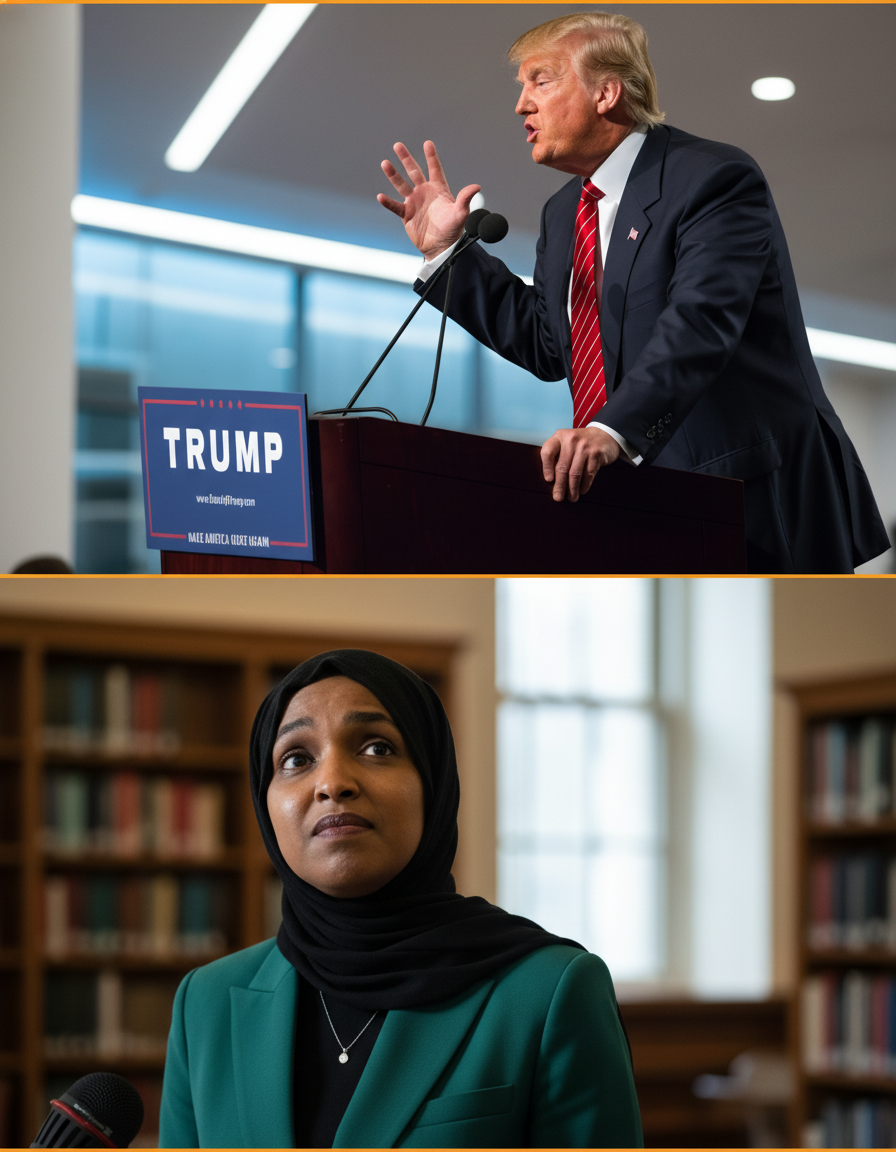
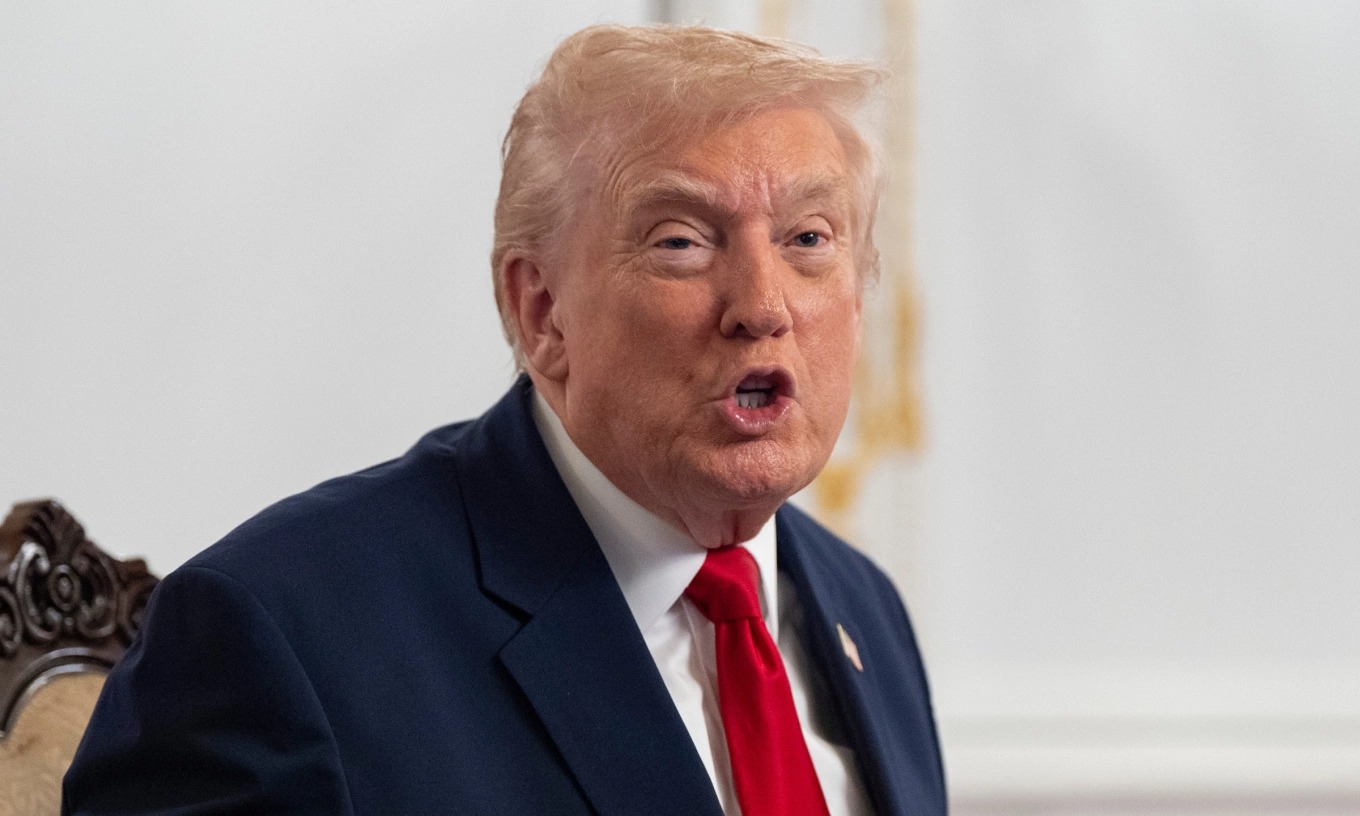
The moment Donald Trump stepped onto the stage in Pennsylvania, his campaign billed it as an economics speech — a return to policy, stability, and the disciplined messaging his advisers insist he is capable of. But those expectations evaporated within minutes. What unfolded was something far darker and far more dangerous: a rally transformed into a spectacle of anger, fueled by a prolonged, deeply personal attack on Democratic Representative Ilhan Omar, culminating in a crowd chant the nation has heard before — but never with this level of fury.
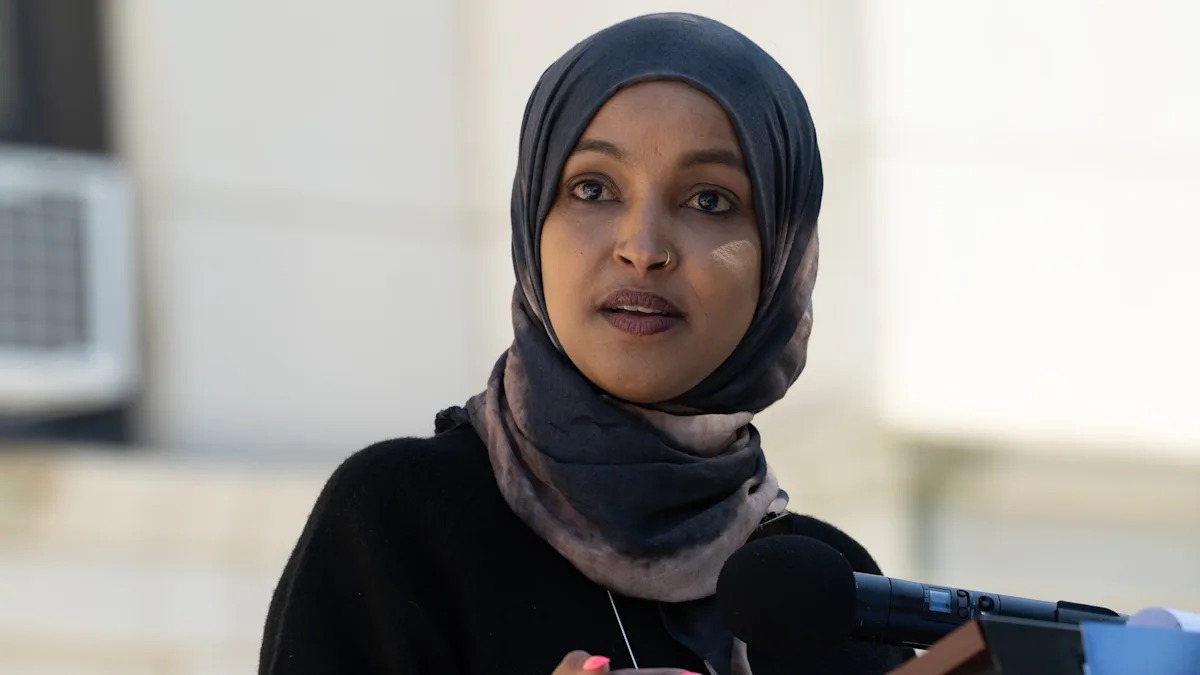
Trump’s relationship with inflammatory rhetoric is nothing new. But what happened at this rally crossed an unmistakable threshold. It wasn’t merely an ad-libbed insult or a provocative aside. It was a fully committed tangent, a prolonged escalation that dragged the entire audience into the emotional spiral with him. As he veered away from economics, Trump launched into an assault on Rep. Omar’s identity, background, public service, and even her legitimacy as an American. He invoked debunked conspiracies about her immigration history, distorted her faith, mischaracterized her homeland, and portrayed her as someone whose very presence in the United States was an affront.
And then he pushed further.
With each line, the crowd’s energy thickened. What began as uncomfortable murmurs built into something volatile. Trump was no longer simply attacking a political opponent — he was inviting the audience to participate, to release their anger in unison. And they did. The chant — “Send her back” — rose from the floor like a tidal wave, echoing through the arena with a force that stunned even seasoned political reporters. It was a moment that laid bare the dangerous power of suggestion when wielded by a figure with Trump’s influence.
This was not the first time the chant had appeared. The 2019 North Carolina rally that introduced it shocked the country and drew widespread condemnation. But this version felt more intense, more deliberate, more infused with hostility. Trump did nothing to stop it. He didn’t quiet the room, he didn’t redirect the crowd. Instead, he let the chant build — a collective release encouraged by the narrative he had spent minutes constructing.
What made the moment even more disturbing was its target: a sitting U.S. congresswoman, elected by her community, serving her district with dedication, and embodying a story that reflects both the struggles and triumphs of the American immigrant experience. Rep. Ilhan Omar is one of the few Somali-American public officials in the nation — a trailblazer whose very presence in Congress challenges preconceived notions about who gets to wield power in America. And that, as many observers noted, may be precisely why she became the centerpiece of Trump’s rage.
The more he attacked her, the more the rally morphed into something resembling incitement. His comments were not simply political disagreements or critiques of policy. They were personal, inflammatory, and rooted in narratives designed to delegitimize her identity. In a country already grappling with rising political violence and threats against elected officials, the implications are profound. Security experts immediately warned that Rep. Omar’s protective detail would need to expand dramatically after the rally — not because of anything she has done, but because the former president painted a target on her back in front of thousands.
One of the most alarming aspects of the incident was its context. This was not a fringe event or a spontaneous outburst by a small group. It was a major campaign appearance by the leading candidate of a major political party. The chant was not an aberration — it was a response to the tone he set, the cues he gave, and the emotional direction he orchestrated. Trump has always had a unique ability to tap into grievance, anger, and resentment. But this time, the target was a specific individual whose life and safety are directly affected by the rhetoric used against her.
The incident also raises broader questions about the state of American politics. What does it mean when a former president uses a national platform to tell a crowd that a sitting lawmaker — an American citizen — somehow belongs elsewhere? What does it mean when supporters enthusiastically embrace that message? And what does it mean when the same narrative reemerges again and again, despite the violence, threats, and harassment that have followed?
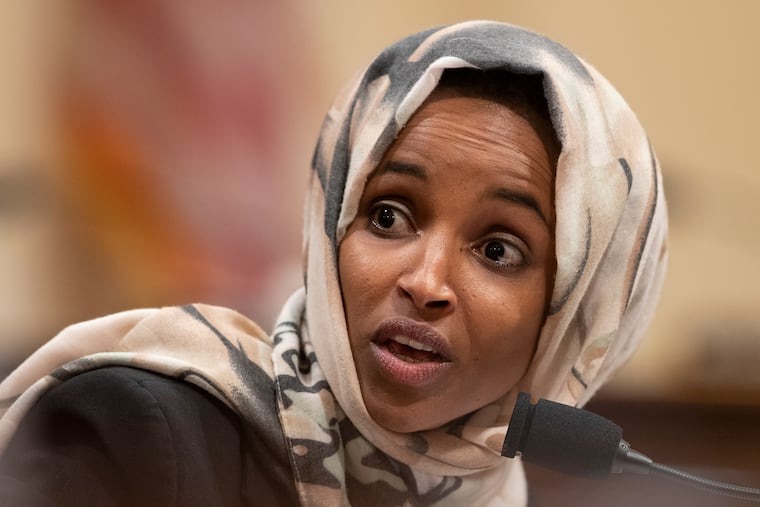
For Rep. Omar, this is not theoretical. Since entering Congress, she has faced a torrent of death threats, racist attacks, and conspiracy theories amplified far beyond the usual boundaries of political discourse. She has repeatedly warned that Trump’s rhetoric isn’t just divisive — it is dangerous. And once again, her warnings appear justified. Each time her name is invoked at his rallies, the aftermath is predictable: voicemail threats, online harassment, targeted misinformation campaigns, and spikes in extremist chatter.
But the rally also revealed something deeper — a vulnerability within the American political psyche. When thousands of people chant for the removal or expulsion of an elected official over their ethnicity, religion, or immigrant background, it exposes a struggle over identity that runs far deeper than policy disagreements. It suggests that for a segment of Trump’s base, “American” is defined not by citizenship or contribution, but by homogeneity. And when political leaders exploit that instinct, it becomes weaponized.
The reaction across the country was swift. Commentators from across the political spectrum called the rally a disgraceful moment, a stain on national discourse, and one of the clearest displays yet of the authoritarian impulses critics have long warned about. Civil rights groups condemned the chant as overtly racist. Security analysts raised alarms about the risks to Rep. Omar and other Muslim and immigrant officials. Historians noted the disturbing echoes of past movements that targeted minorities through mass rhetoric.
What Trump demonstrated in Pennsylvania was not strength, strategy, or leadership. It was the ability to turn a room into a funnel for collective hostility — and direct it at one of the most vulnerable targets in American politics. His supporters may see defiance, but what the rest of the country witnessed was something far uglier: a moment in which a former president told the public that one of their elected officials does not belong here.
And the crowd believed him.
If this is the tone shaping the next political cycle, the risks extend far beyond campaign messaging. This is how threats escalate. This is how violence becomes normalized. This is how institutions erode — not with a sudden collapse, but with sustained attacks on the legitimacy of those who embody America’s promise of diversity and representation.
In the end, the rally will be remembered not for its economics, not for its policy proposals, but for the chilling moment when thousands of voices shouted for the removal of a woman whose only “offense” is serving her district while being different from those who want her gone.
And if history is any guide, the damage does not end when the chant fades.