


A major defense procurement has escalated into a high-stakes diplomatic confrontation, with Washington warning Ottawa of severe repercussions if it cancels its commitment to the F-35 fighter jet program. The multi-billion dollar deal, central to modernizing Canada’s Air Force, is now testing the limits of Canadian sovereignty and the North American alliance. Sources indicate the Trump administration has privately and publicly threatened “serious consequences,” including trade retaliation and undermining NORAD cooperation, should Canada back out. This pressure transforms a military purchase into a potent political tool, binding Ottawa to Washington’s strategic interests.
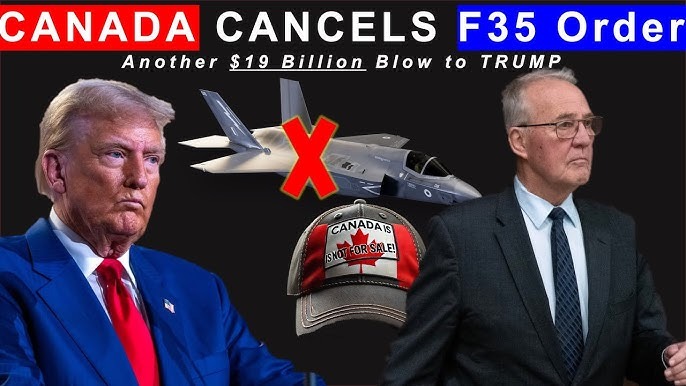
Canada’s planned acquisition of 88 F-35s has seen costs balloon from an initial $19 billion to a staggering $32 billion. Prime Minister Mark Carney, citing changing geopolitics and a need for domestic industrial benefits, ordered a full review of the agreement in March 2025, a move perceived in Washington as a direct provocation.

The review, set to conclude by September 2025, explores assembling aircraft domestically and reinvesting defense spending into Canadian industry. Officials are also seriously evaluating the Swedish Saab Gripen E as a lower-cost alternative, a prospect that has alarmed U.S. officials.
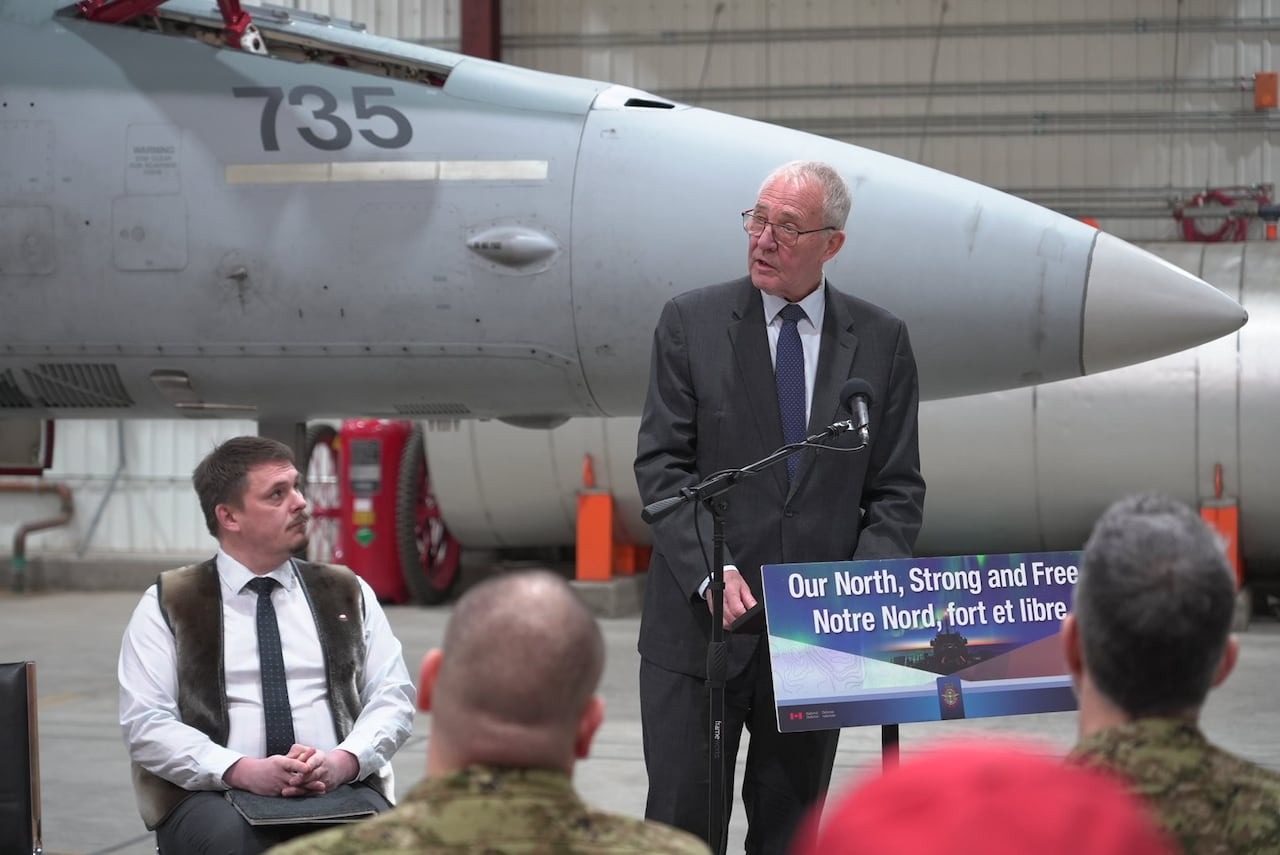
Ambassador Pete Hoekstra explicitly linked the F-35 purchase to the integrity of NORAD, suggesting Canada’s role in continental defense could be jeopardized. The implicit threat extends to cross-border trade, with Canadian corporations like Bombardier fearing their U.S. contracts could become targets. Choosing the Gripen offers potential autonomy, with Saab pledging full domestic assembly and maintenance. Operating costs are a fraction of the F-35’s, and the jet boasts superior readiness rates and Arctic capability. However, U.S. officials warn it would isolate Canada from the integrated intelligence and upgrade network built around the F-35.
The F-35 promises seamless interoperability with U.S. and NATO allies and is a gateway to next-generation warfare technology. Yet the program is plagued by delays, cost overruns, and low fleet readiness rates, locking Canada into a cycle of dependency where critical software and parts remain under U.S. control. Ottawa is signaling a broader push for strategic autonomy, signing a $6 billion radar deal with Australia and opening defense talks with the European Union. These moves test whether a more independent security posture is feasible after decades of deep integration with the United States.
Complicating any exit, Canada is legally bound to accept the first 16 F-35s. Canceling the remainder could force the Air Force into a disastrous patchwork fleet, operating two different fighter systems with duplicate training, maintenance, and supply chains, potentially erasing any projected savings. The ultimate choice pits economic sovereignty against military interoperability. One path deepens integration with Washington at a colossal and growing financial cost. The other risks strategic isolation for the sake of domestic industry and operational control.
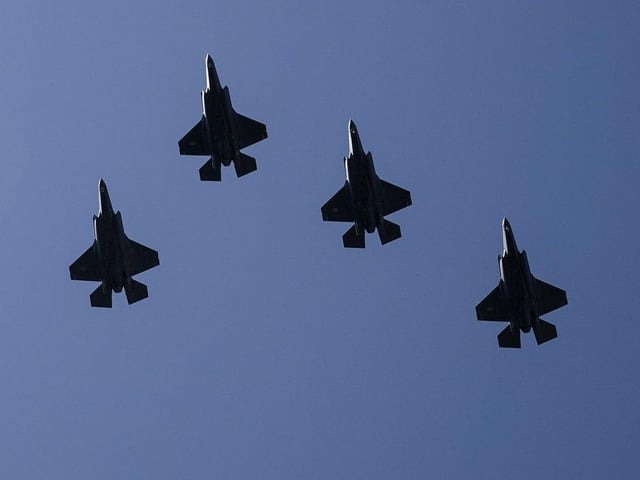
This standoff transcends defense procurement, becoming a referendum on the future of the North American security relationship. The Canadian government’s decision, expected within months, will reverberate through diplomacy, trade, and continental defense for a generation.