


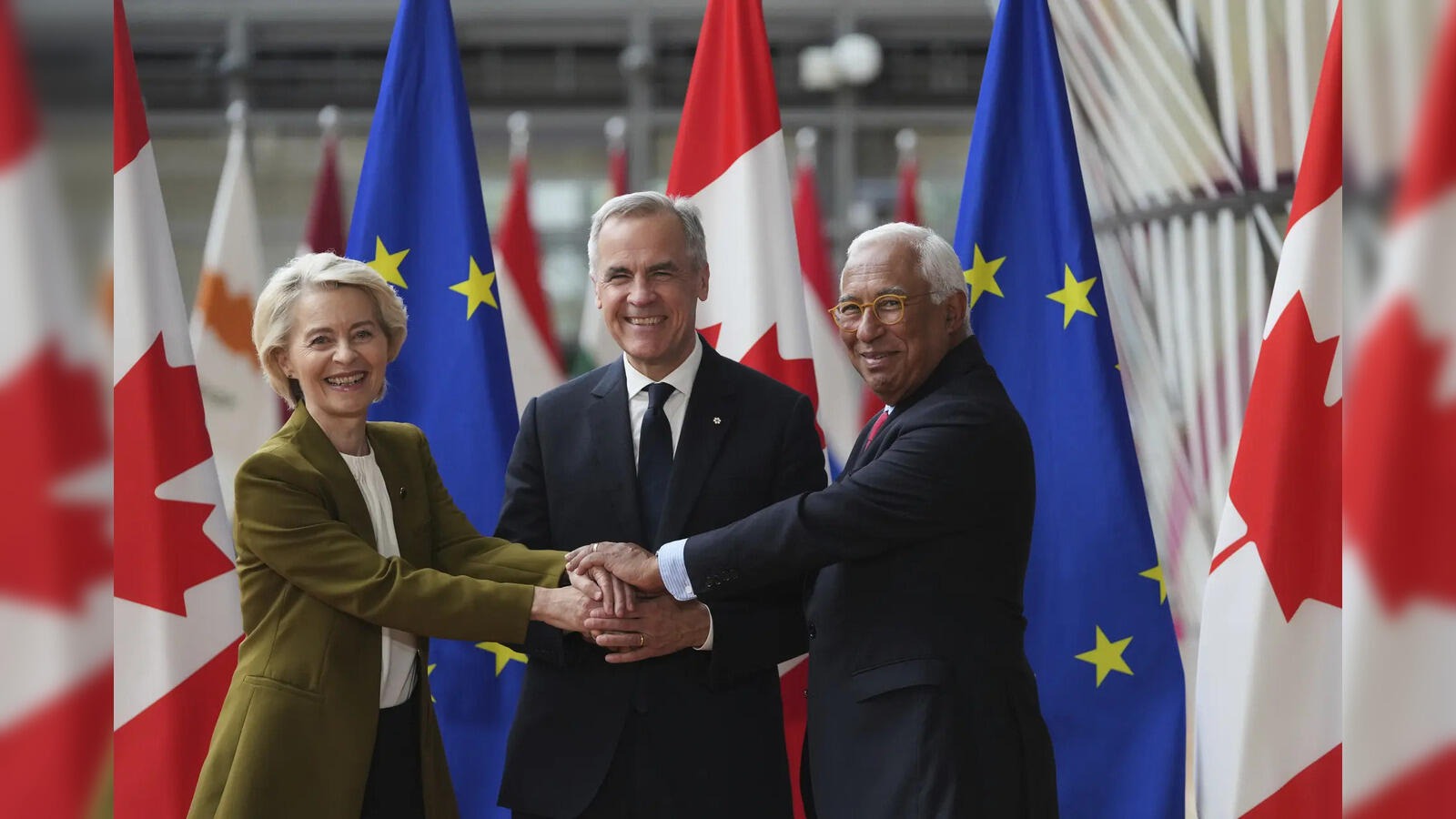
In a decisive geopolitical realignment, Europe has chosen Canada as its primary North American partner for artificial intelligence and digital sovereignty, openly bypassing a United States mired in trade wars and diplomatic unpredictability under President Donald Trump. The landmark agreements, signed at the G7 digital ministers’ meeting in Montreal, signal a profound loss of American influence and a vote of global confidence in Canadian stability.
Canada has officially inked major memoranda of understanding with Germany and the European Union. The pacts commit the partners to deep cooperation on AI standards, governance, skills development, and privacy protection. European leaders emphasized trust in Canada’s democratic institutions as the cornerstone of the new alliance. The most significant technical breakthrough is Europe’s invitation for Canada to integrate into its high-performance computing ecosystem, including the elite Euro HPC network. This grants Canadian researchers and companies direct access to some of the planet’s most powerful supercomputers, a critical advantage in the race for AI capability.
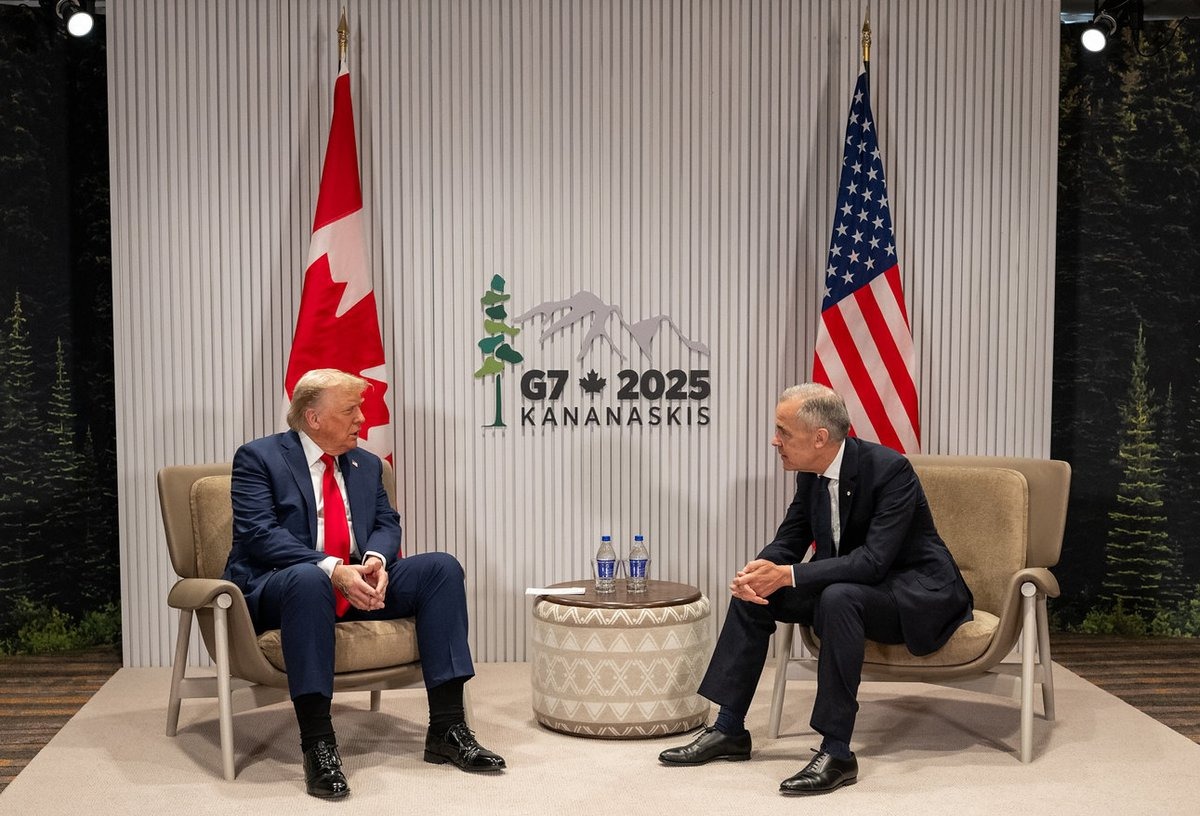
German Digital Minister Volker Wissing explicitly framed the choice as one of values, describing Canada as a partner that scales frontier technology “with purpose and values.” The sentiment was echoed by Canadian Industry Minister Melanie Joly, who highlighted a shared commitment to responsible, human-centric AI. The deal arrives as the Trump administration’s approach to trade and technology alienates traditional allies. EU officials have privately described the U.S. as unreliable on digital governance, according to recent reports. Europe’s move is a direct response to Washington’s volatility.
“This is Europe choosing Canada as its strategic partner for the digital future,” a senior European diplomat stated. The agreements form a new digital sovereignty bloc built on democratic principles, designed as a counterweight to both China’s authoritarian tech model and U.S. unpredictability.

For Canada, the alliance provides unprecedented scale, aligning its AI policy with a market of 450 million Europeans. This allows Ottawa to help shape global standards rather than adapt to frameworks set in Washington or Beijing. The long-term implications will reshape privacy rules and cross-border data flows.The shift is mirrored in a stark decline in Canadian travel to the United States, with cross-border trips plummeting over 30% in 2025. New border rules, hostile rhetoric from President Trump, and a sense of being unwelcome have led Canadians to vacation elsewhere.
American states are facing a tourism crisis, as Canadians represent the largest source of international visitors to the U.S. Economic estimates project nearly $6 billion in lost tourism revenue for 2025. Border communities are reporting empty hotels and quiet streets.
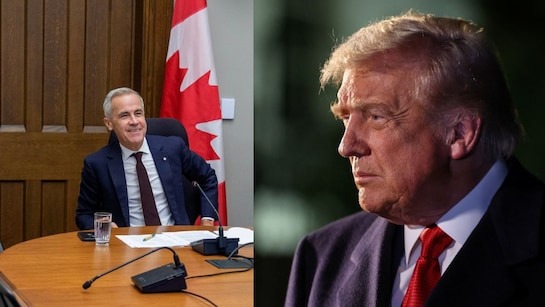
Canada has actively encouraged this domestic shift, launching a “Canada First” tourism campaign that has redirected billions in spending to its own provinces and territories. The political statement made with travel wallets underscores a broader national recalibration. This newfound assertiveness is crystallized in Prime Minister Mark Carney’s first national budget, a document analysts call a “generational bet on national resilience.” It pivots the economy from reliance on the U.S. market toward greater self-sufficiency and global diversification.
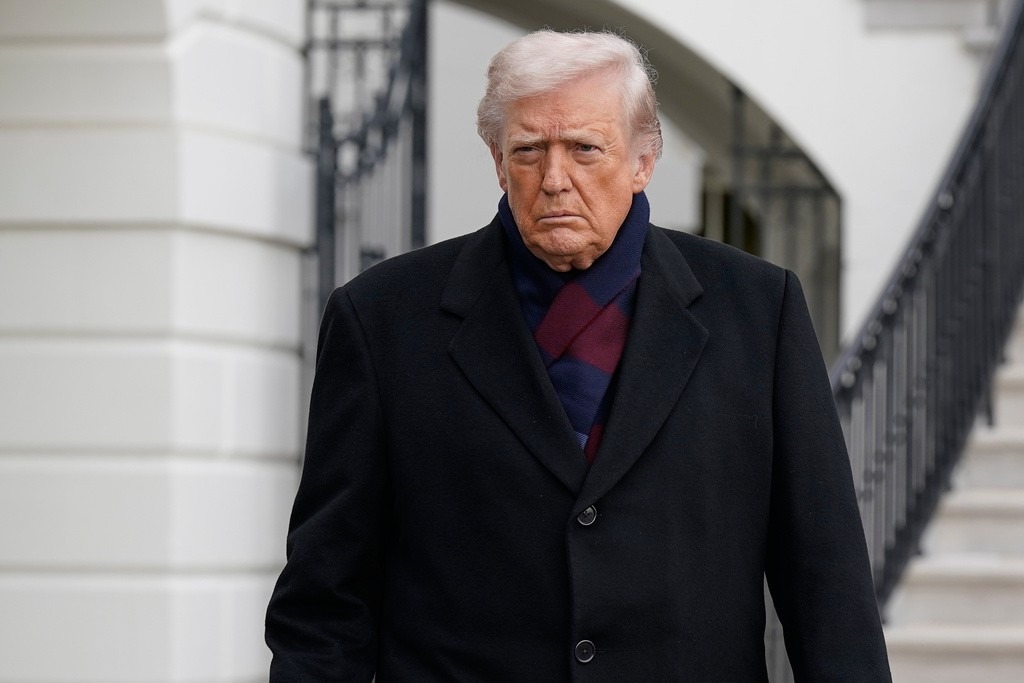
The budget, which projects a deficit of approximately $75 billion, makes historic investments in infrastructure, defense, and supply chain security while cutting less critical programs. Its core strategy is to fight U.S. tariffs with enhanced Canadian competitiveness.
Carney’s strategic vision was on display during high-stakes trade talks in Washington, where he surprised observers by reviving discussion of the long-stalled Keystone XL pipeline. The move reframed the tense negotiations, reminding the U.S. of its dependence on Canadian energy security.
President Trump’s tariffs on Canadian steel and aluminum have begun to backfire, raising costs for U.S. manufacturers and complicating energy supplies. Carney’s pipeline proposal offered a solution, giving Canada unexpected leverage in the discussions. The pipeline, a symbol of political division for over 15 years, was reintroduced not as a construction guarantee but as a strategic signal. It highlighted the interdependence of the North American economy and the limits of unilateral pressure.
Reports from the meetings indicate President Trump was receptive to the Keystone proposal, though no formal agreement was reached. The mere shift in dialogue marked a turning point, demonstrating that Canadian patience and strategy could counter American coercion.
Together, these developments paint a portrait of a nation stepping confidently onto the world stage. Canada is leveraging its stability, values, and resources to forge new alliances and redefine its relationship with a turbulent superpower to the south. The AI pact with Europe, the tourism boycott, the transformative budget, and the recalibrated trade talks are interconnected threads of a single story. In the vacuum created by American unpredictability, Canada is emerging as a steady, trusted, and strategically savvy leader.
The message from Brussels, Berlin, and Ottawa is now unambiguous. The future of critical technology and democratic alignment is being built across the Atlantic, with Canada as the cornerstone. Washington, once the indispensable leader, now watches from the sidelines.

As one European minister concluded, the alliance proves that the digital future should be built on shared standards, not unilateralism. For the first time in generations, the world is looking north to Canada for the stability and principle that America can no longer guarantee.