


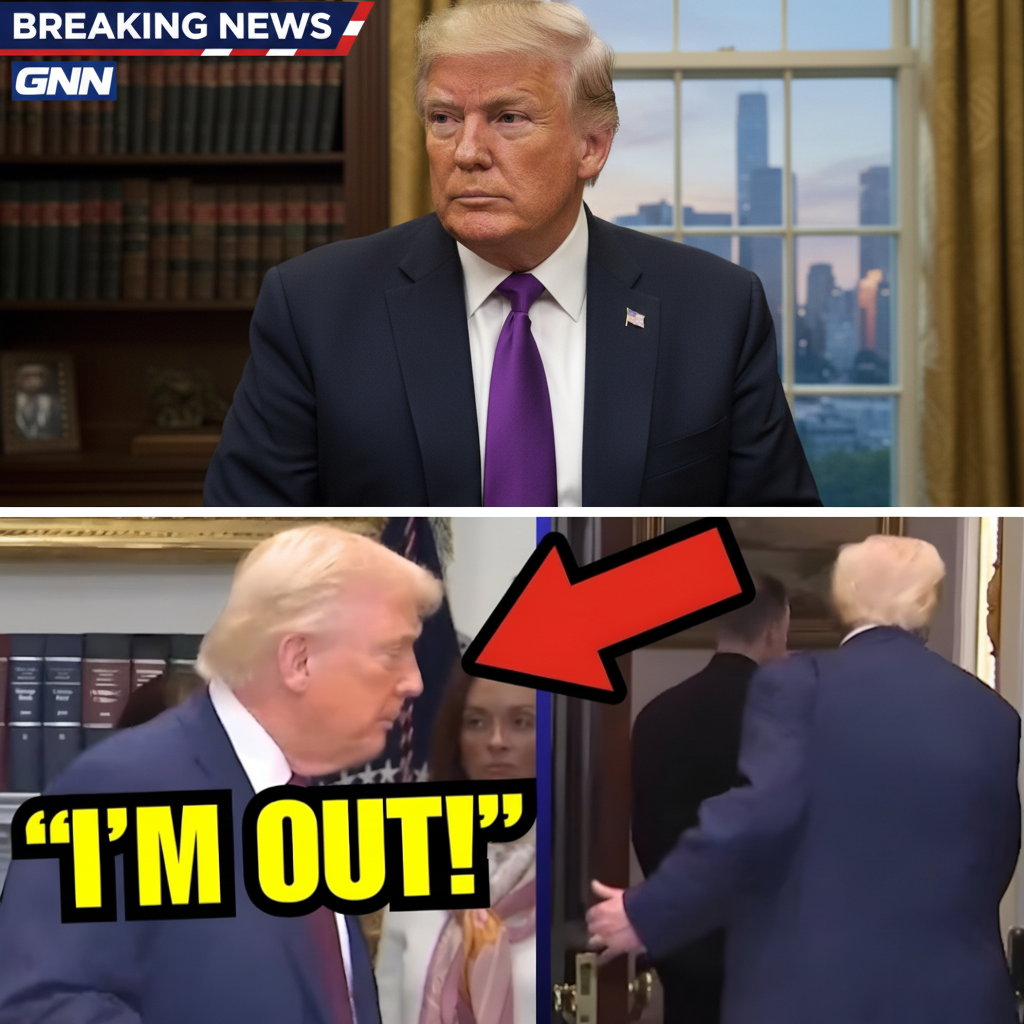
Donald Trump’s latest press conference was supposed to be a victory lap. Instead, it turned into a hurried exit that left reporters stunned, cameras rolling, and questions hanging heavily in the air.
Trump showed up roughly 30 minutes late, already setting an unusual tone. When he finally appeared, the event was framed around “Trump RX,” a new website touted as a way for Americans to access discounted prescription drugs by bypassing insurance companies. Pharmaceutical executives stood behind him, lined up like props in a carefully staged announcement meant to project control, momentum, and success.
But the performance unraveled fast.
From the moment Trump stepped to the microphone, it was clear he wanted out. He rushed through remarks, ignored shouted questions, and repeatedly tried to pivot away from the press. Reporters pressed him anyway—especially on one explosive issue looming over Washington that day: the Epstein files, which many expected to be addressed or released. Trump never acknowledged the topic directly. Instead, he did something even more revealing.
He shut the whole thing down.
“I won’t even take questions today,” Trump declared, claiming the announcement was simply too “perfect” to risk being disrupted. With that, he abruptly ended the press conference and walked off, refusing to engage further. For a president known for thriving on confrontation with the media, the retreat was striking.
Before the exit, however, Trump managed to pack in a flurry of claims that raised eyebrows across the political spectrum. He argued that rising unemployment numbers—now hovering around 4.5%—were actually a good sign, insisting they were the result of aggressive cuts to the federal workforce. According to Trump, he could instantly lower unemployment by hiring unnecessary government workers, but chose not to, framing the increase as proof of discipline rather than economic trouble.
The data, however, tells a more complicated story. Recent jobs reports show losses across manufacturing and other sectors, while gains are concentrated mainly in healthcare and hospitality. The idea that unemployment is rising solely because of government layoffs doesn’t fully align with the broader picture—but Trump brushed aside those nuances.
As the event continued, the optics grew stranger. Pharmaceutical CEOs were invited—sometimes awkwardly—to step up to the podium one by one and publicly thank Trump. The scene felt less like a policy briefing and more like a loyalty ritual, with executives carefully praising the president while watching the clock.
The data, however, tells a more complicated story. Recent jobs reports show losses across manufacturing and other sectors, while gains are concentrated mainly in healthcare and hospitality. The idea that unemployment is rising solely because of government layoffs doesn’t fully align with the broader picture—but Trump brushed aside those nuances.
As the event continued, the optics grew stranger. Pharmaceutical CEOs were invited—sometimes awkwardly—to step up to the podium one by one and publicly thank Trump. The scene felt less like a policy briefing and more like a loyalty ritual, with executives carefully praising the president while watching the clock.
That tension appeared to be the breaking point.
Rather than invite questions—especially ones that might challenge his claims or veer toward Epstein—Trump abruptly declared the event over. He framed the move as preserving the “historic” nature of the announcement, insisting even fair questions would somehow spoil it.
The result was a rare visual: a president who looked eager to escape his own press conference.
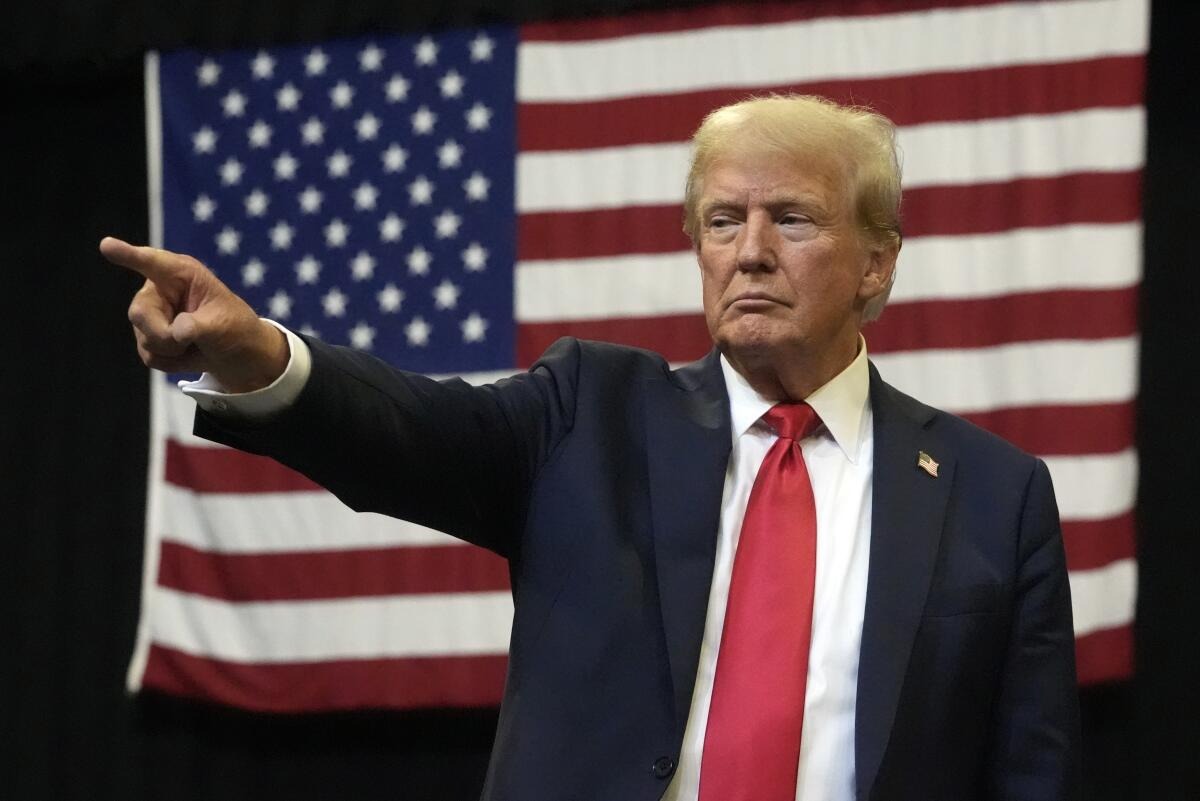
The walk-off immediately fueled speculation. Why end things so suddenly? Why refuse questions entirely? And why now, on a day when reporters were openly preparing to ask about Epstein-related developments?
Supporters argued Trump was staying on message. Critics saw something else entirely—a calculated dodge, wrapped in self-congratulation and sealed with a rapid exit.
What’s undeniable is the contrast. Trump has long portrayed himself as fearless, combative, and always ready to spar with the media. Yet this time, faced with unscripted questions and uncomfortable topics, he chose the fastest route out of the room.
In politics, moments like this linger. Not because of what was said—but because of what wasn’t.
And in this case, the silence spoke louder than any headline-grabbing boast.