


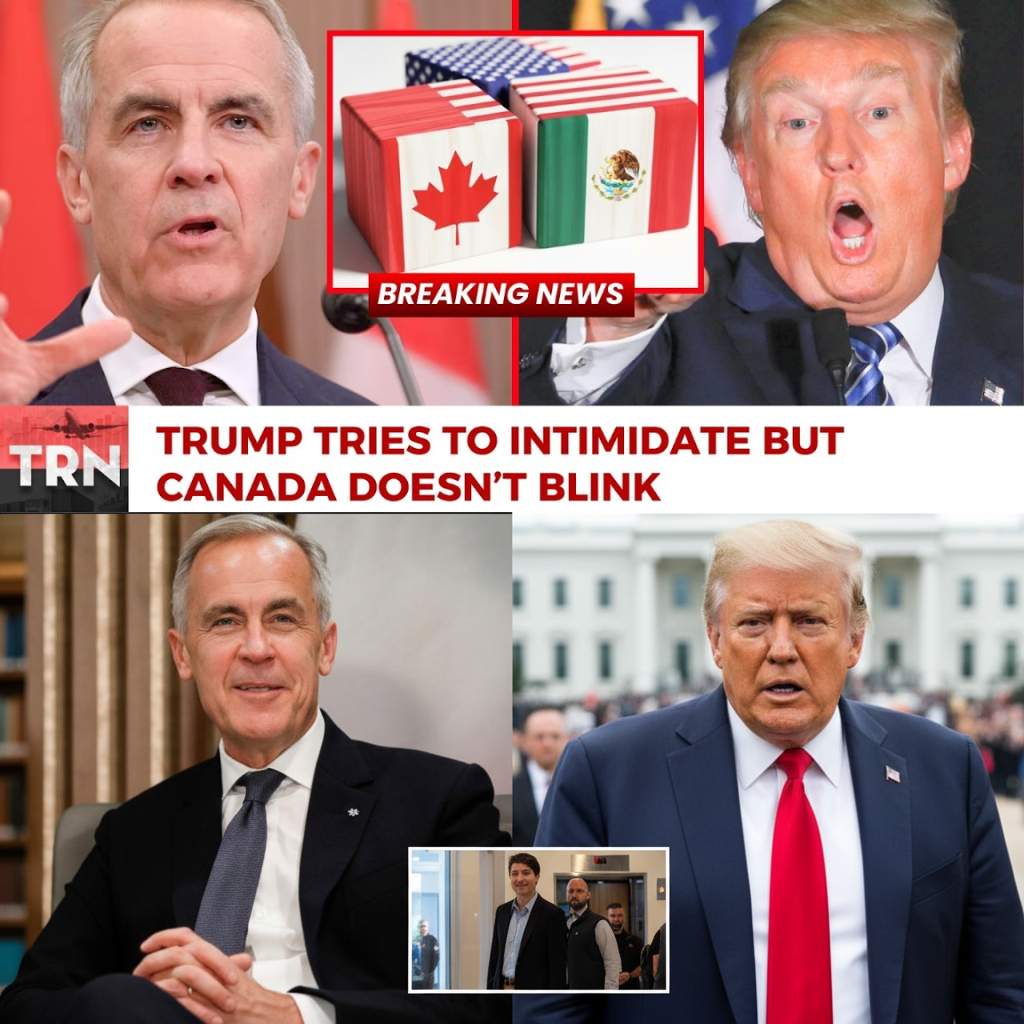
Canada has sent an unmistakable signal to Washington: it will no longer structure its national economic future around American unpredictability. As trade talks under the CUSMA framework continue amid public threats from the Trump administration, Ottawa is executing a quiet but monumental strategic recalibration, preparing for a world where U.S. volatility is a managed risk, not a defining one.
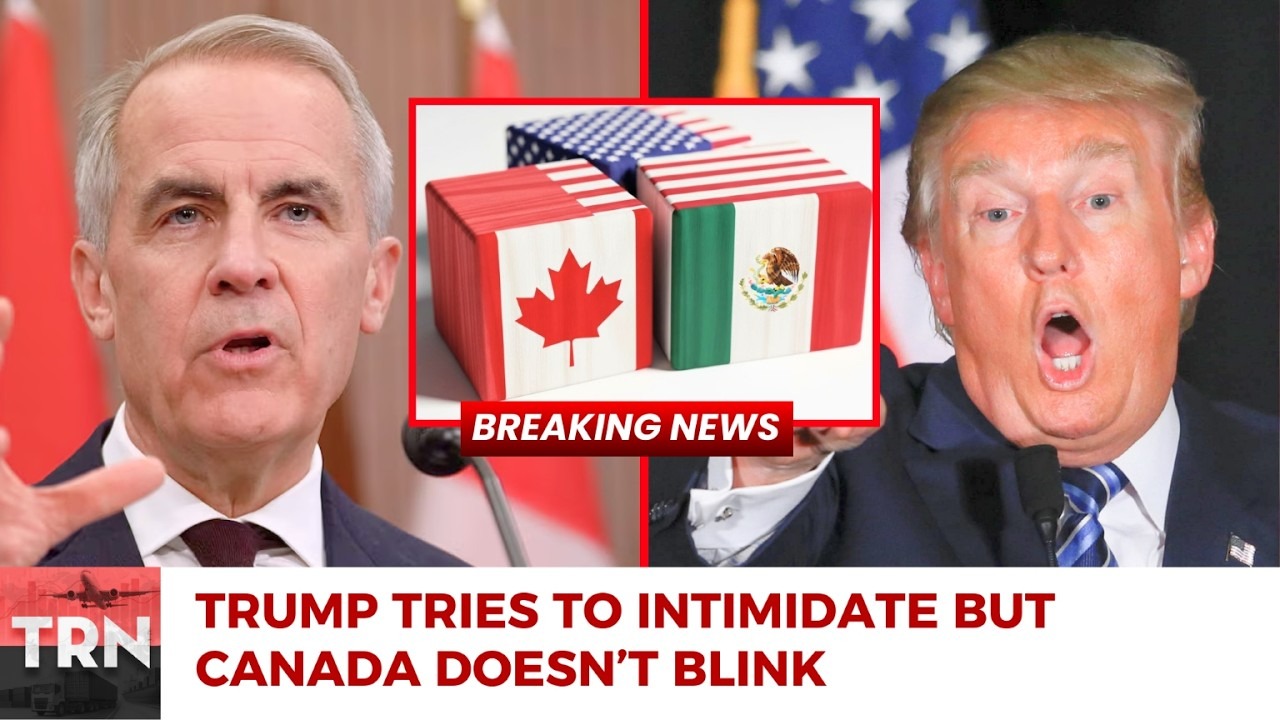
Finance Minister François-Philippe Champagne confirmed discussions are ongoing, following high-level meetings focused on the agreement’s mandatory 2026 review. His tone was deliberately calm, reflecting a hardened Canadian consensus. The question in Ottawa is no longer how to control U.S. behavior, but how to insulate Canada from it.
The contrast in governance is stark. President Trump wields trade policy as a weapon of shock, deploying tariffs and threats as public negotiating tactics. Canada now governs trade through meticulous preparation and diversification. Officials openly acknowledge what was long unspoken: Canada cannot control policies south of the border.
Champagne emphasized that roughly 85% of Canada-U.S. trade remains tariff-free under CUSMA, providing critical strategic breathing room. This foundation allows Canada to continue trading while fundamentally adjusting its long-term posture. The language from Ottawa has decisively shifted from dependence to durability, from proximity to options.
This is not an anti-American stance, but a pro-Canadian one. The government is not downplaying the real pain caused by U.S. tariffs, which hit workers in Hamilton’s steel mills, Oshawa’s auto plants, and forestry and farming communities coast to coast. The disruption to deeply integrated North American supply chains is acute and paradoxical, often harming the U.S. industries Trump claims to protect.
Ottawa’s response, however, rejects short-term panic. Instead of reacting to every threat, Canada is slowing the game down. The strategy combines targeted support for affected industries with accelerated structural changes to reduce future exposure. This includes strengthening domestic supply chains, investing in advanced manufacturing, and securing Canada’s role in critical minerals.

One of the most revealing aspects of Canada’s new posture is growing international interest from Europe, Asia, and the Middle East. In a world craving stability, Canada’s predictability and rule of law are becoming strategic assets. While Washington debates tariffs, Canada is hosting G7 meetings, deepening ties with allies, and attracting investment precisely because it does not govern by impulse.
This global repositioning moved from theory to concrete reality in Abu Dhabi. Prime Minister Mark Carney unveiled a sweeping $115 billion domestic investment plan and, crucially, signed a long-awaited foreign investment protection agreement with the United Arab Emirates. The deal unlocks tens of billions in future capital and paves the way for a comprehensive economic partnership.
Carney addressed the summit with striking bluntness, stating Canadians have become united facing fundamental changes in U.S. trade policy. The move with the UAE is a pillar in a deliberate, multi-engine economic model designed to eliminate dependence on any single market. Negotiations are advancing with ASEAN nations, and even long-strained relationships are thawing. In a significant diplomatic shift, China has reinstated Canada on its approved list for group tours, signaling a thaw after years of deep freeze. This followed Prime Minister Carney’s meeting with President Xi Jinping, described by both as a “turning point.” The reopening is more than tourism; it is a test of trust and a marker of Canada’s independent diplomatic calculus.
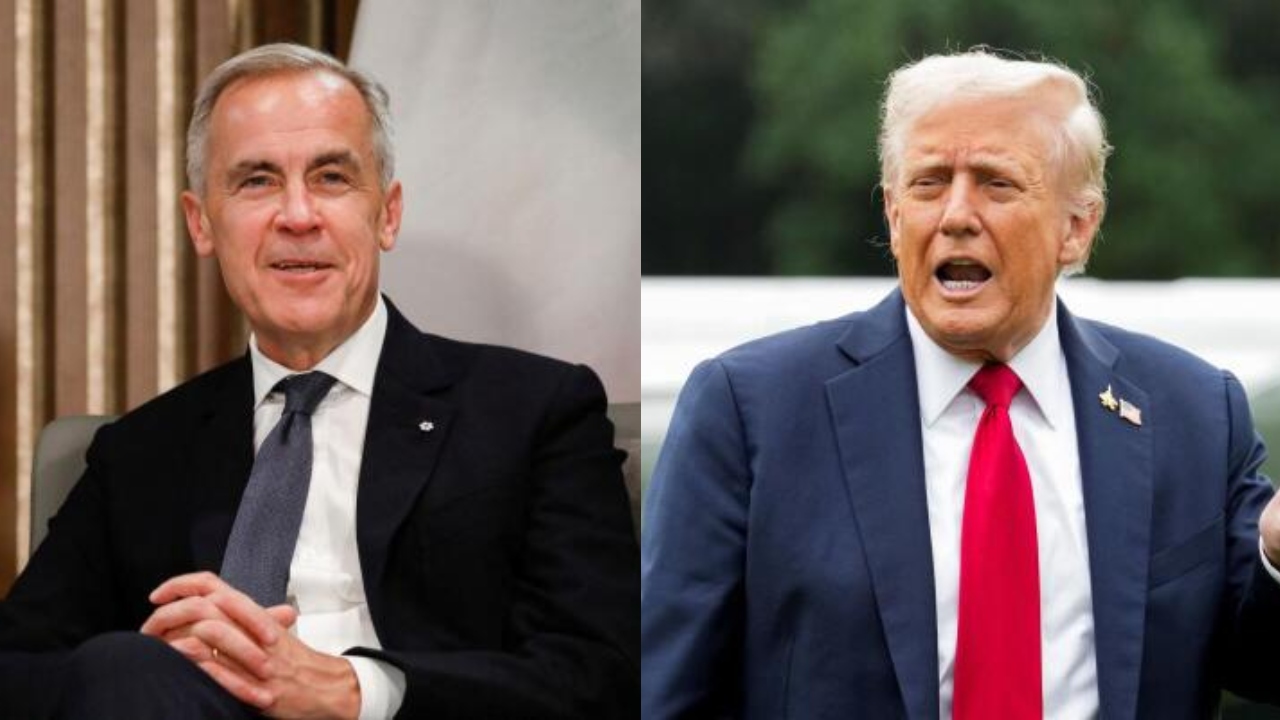
The timing is strategic. As Trump’s “America First” agenda disrupts global stability, Canada is engaging Beijing through pragmatic channels—tourism, education, clean tech—building a soft bridge that enhances economic leverage without provoking a full confrontation with Washington. It is a high-stakes balancing act defining a new Canadian role. Nowhere is Canada’s adaptive strategy clearer than in the automotive sector, a prime target of new U.S. tariff threats. Facing potential 25% duties on vehicles and parts, Ontario’s integrated industry faced existential risk. Ottawa’s response was not mere retaliation but a calculated exploration of alternatives.
While Washington threatened walls, Beijing extended an open hand, proposing discussions on easing agricultural restrictions and cooperation in the electric vehicle market. The overture presented Canada with a choice: remain captive to unilateral U.S. pressure or diversify its options. Officials framed it as an opportunity to regain leverage through “sectoral resilience.” Canada’s measured response—increasing domestic manufacturing support while holding firm on retaliatory tariffs for U.S. vehicles—sent a clear message. The goal is no longer to depend on any single partner, but to build a network of equals. Trump’s pressure tactics have accelerated this mindset, pushing America’s closest ally to function beyond its shadow.
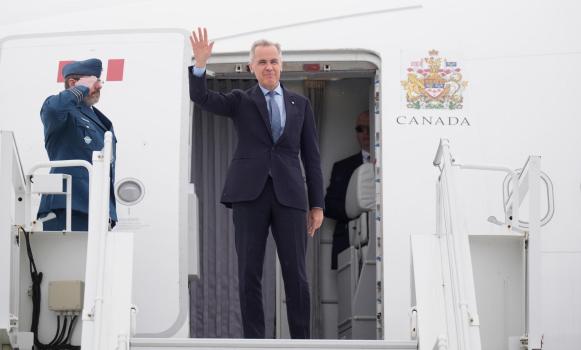
The ripple effects for the United States are becoming tangible. Tariffs designed to rebuild U.S. industry are inflating costs, causing parts shortages in Midwestern factories, and alienating the very supply chains American competitiveness relies upon. Economists note rising prices and warning signs of reduced manufacturing output.Canada’s pivot is not an act of rebellion, but a masterclass in adaptation. Faced with successive tariffs on steel, aluminum, softwood lumber, and now autos, Ottawa has moved with quiet precision. It is securing new export pathways, attracting international capital seeking stability, and reinforcing domestic economic sovereignty.
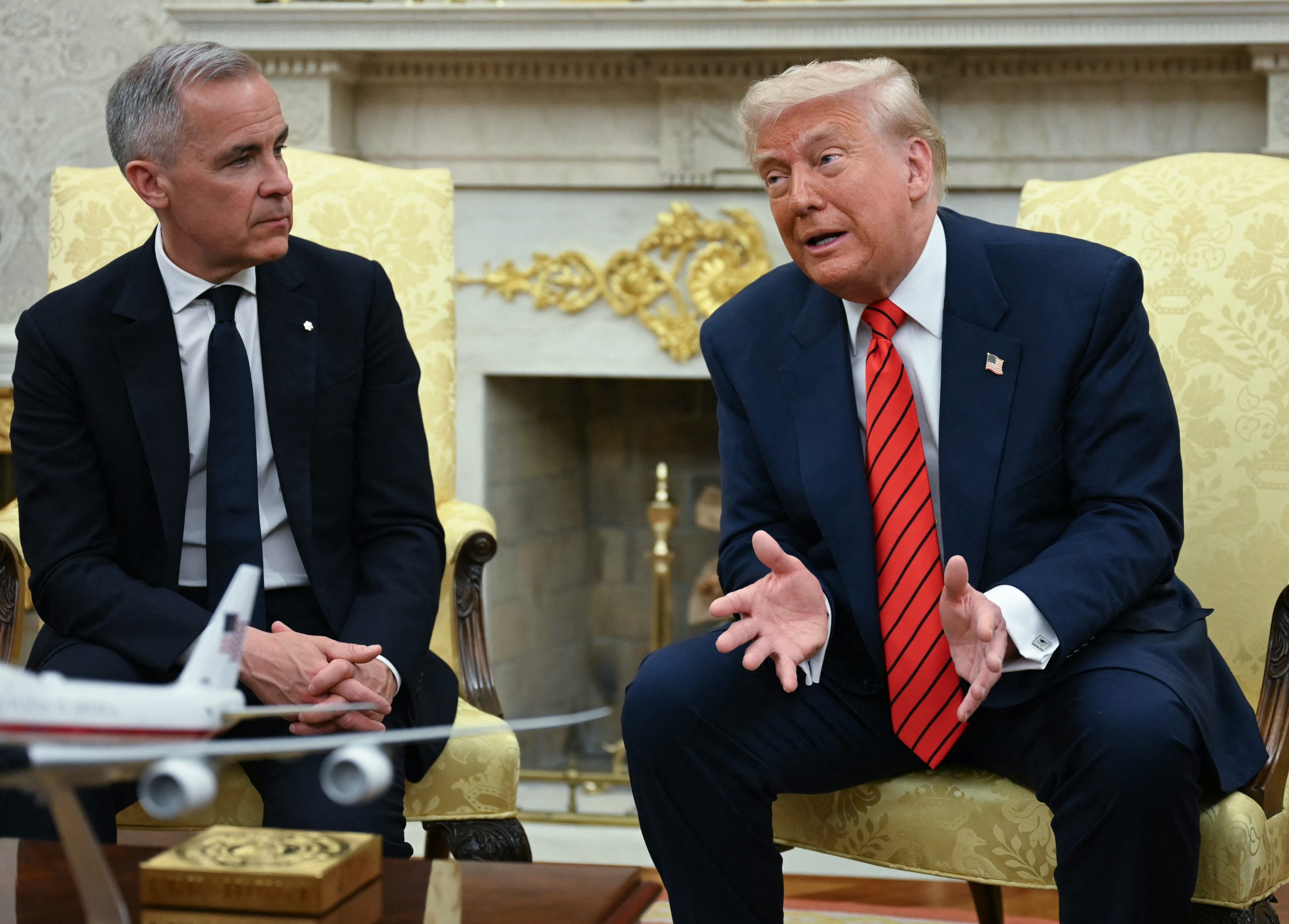
As the 2026 CUSMA review approaches, Canada enters the process fundamentally changed. It has diversified trade relationships, reinforced domestic resilience, and replaced anxiety with experience. The leverage Washington once relied upon is quietly slipping away, not through confrontation, but through the deliberate cultivation of options.
The ultimate signal is in Canada’s demeanor. There is no bluster, no panic. The nation is preparing for a contentious negotiation, aware that tariffs may resurface and public pressure will intensify. But it does so from a position of strength, having internalized a core lesson: in the face of unpredictable pressure, the most powerful response is to build a credible alternative. Canada’s economic story, long exclusively tied to the United States, is being rewritten. The United States remains its largest partner, but it is no longer the only pillar supporting national prosperity. This recalibration changes the tone of every negotiation. When alternatives exist, pressure loses its edge.
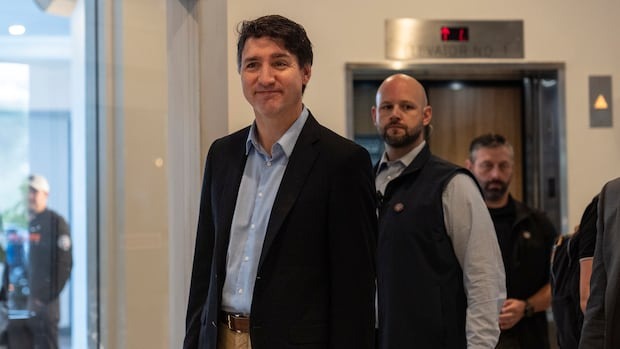
The question for Washington is whether it understands this new reality. Canada is demonstrating that while pressure may force compliance in the short term, in the long term it forces adaptation. CUSMA talks continue, but Canada’s future is no longer hostage to American mood swings. Ottawa is prepared to be a willing partner for a stable, integrated North American economy—or to continue building its future elsewhere. This time, Canada is not blinking.