


A high-stakes political gamble by Ontario Premier Doug Ford is escalating into a severe financial and diplomatic crisis, with tens of millions in public assets now at risk and a widening trade war beginning to bite ordinary Canadians.
Premier Doug Ford’s defiant refusal to sell a massive stockpile of embargoed American alcohol has trapped roughly $80 million of taxpayer-owned inventory in government warehouses, a move critics warn is causing the value to degrade by the week. The decision, framed as protecting local wineries and distilleries during the critical holiday season, has left Ontario isolated as other provinces cash in their stockpiles for charity.
The standoff began last March when Ontario pulled 3,600 products from 35 U.S. states off Liquor Control Board of Ontario shelves in retaliation for Trump administration tariffs. What was a symbolic strike has festered into a serious liability. Finance ministry officials confirm approximately $2 million of the stored wine and spirits will expire within six to seven months, destined to be destroyed.
“We just can’t sell it off,” Ford stated, dismissing calls to liquidate the inventory. “I’m not going to do that during Christmas holidays when it will hurt our wineries. It will hurt our distilleries.” His government insists it seeks an out-of-province buyer to avoid market disruption, a solution that remains elusive.
This hesitation stands in stark contrast to swift action by other provinces. Manitoba, Nova Scotia, Prince Edward Island, and Newfoundland and Labrador have already sold their analogous stockpiles, generating millions in immediate proceeds for food banks and community charities. Manitoba alone delivered $2.6 million to charitable causes.
The growing disparity places Ford’s government under a harsh spotlight. “It’s not doing anybody good collecting dust in the basement,” said Liberal parliamentary leader John Fraser, who is urging the government to sell and donate the proceeds. “So, let’s just put it to some good.”
The financial exposure is compounded by a parallel consumer boycott campaign targeting U.S. travel, personally championed by the Premier. Ford announced he is canceling his own winter trip to Florida, urging Ontarians not to let “this guy Trump determine and ruin your life.”
Data reveals a significant downturn in Canadian travel to the United States, with visits to Florida down roughly 20% year-over-year. Border businesses, airlines, and tourism workers are feeling the early effects of this organic boycott.
Florida Governor Ron DeSantis publicly mocked the boycott attempt, citing record-breaking overall tourism numbers and a recent Stanley Cup victory by the Florida Panthers. “Actually, we continue to break tourism records… and win Stanley Cups,” DeSantis posted on social media.
Analysts note the conflicting data creates a messaging quagmire, weakening the perceived leverage of the consumer pressure campaign. While overall Florida tourism climbs, the specific decline in Canadian visitors presents a mixed picture that blunts the political narrative.

In response, the Ontario government is attempting a strategic pivot, unveiling a multi-billion dollar “Destination Niagara” strategy aimed at redirecting tourism spending inward. The plan ambitiously targets doubling annual visitors to 25 million and generating $13 billion in added economic impact.
The government points to surging sales of Ontario-made alcohol as evidence its “Buy Local” push is working. Ford has cited wine sales increases of 70% or more as proof of concept. “We’re the largest purchaser of bourbon in the world for Kentucky bourbon manufacturers. They’re done. They’re gone,” Ford declared.
However, the strategy’s reliance on sustained consumer patriotism carries inherent risk. “Big numbers attract cameras, critics, and calculators,” one political observer noted. “The moment those figures hit the air, opponents start tearing into the timelines, the baselines, and the definitions.”
The trade dispute is now manifesting in the industrial sector, with reports of manufacturing hesitancy and auto investment decisions being influenced by tariff uncertainty. This shifts the political stakes from symbolism to livelihoods, a far less forgiving arena.
“When leaders speak in defiant tones, workers expect protection to follow in real outcomes,” the observer added. “Any slowdown, relocation, or loss shifts instantly into political liability.”
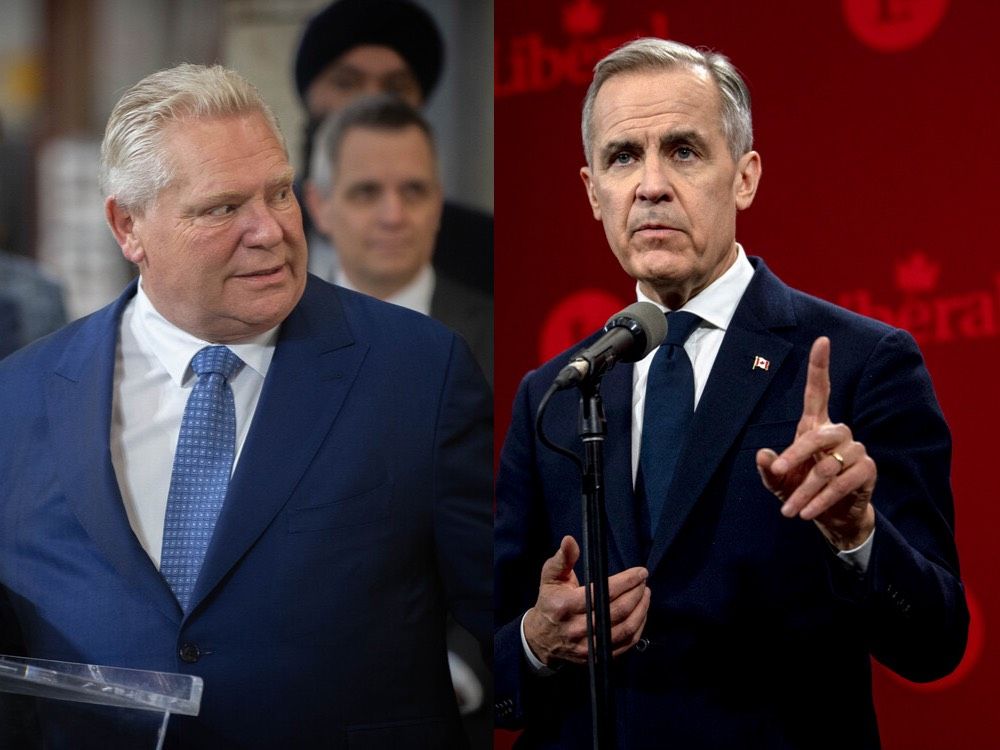
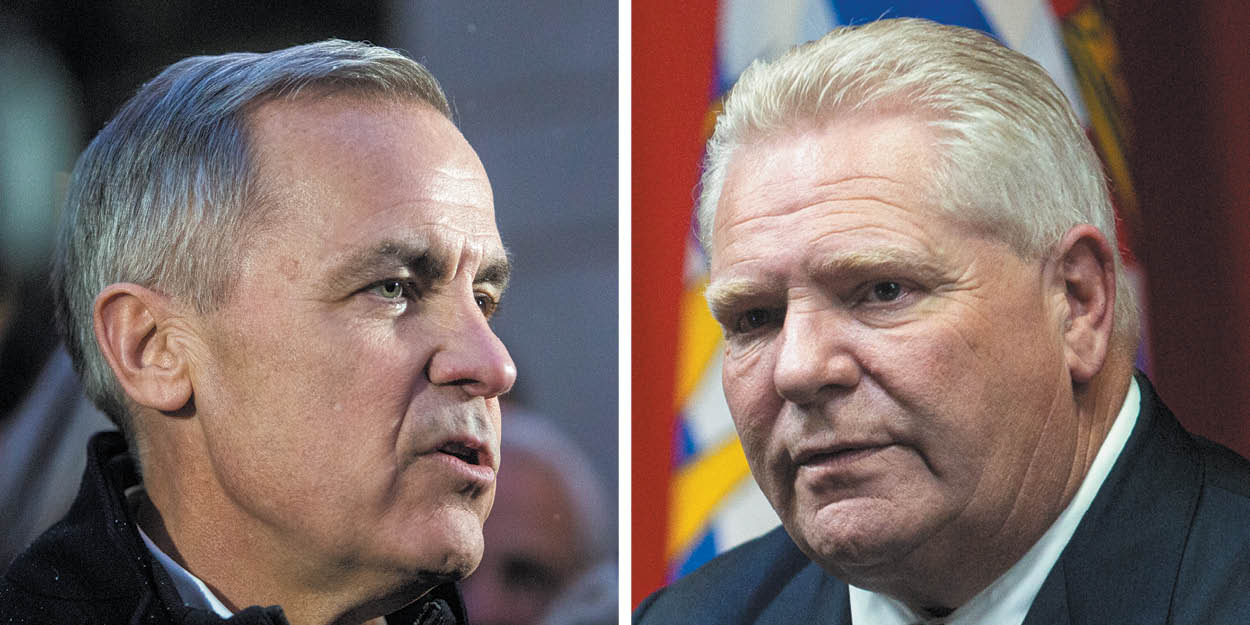
The Premier’s hardline stance, refusing to ever “apologize to that guy,” has transformed a trade negotiation into a public feud. This cultural signaling risks widening the blast radius, pulling ordinary workers and consumers into a protracted conflict with unpredictable economic consequences.
With each passing week, the value of the sequestered alcohol diminishes, the travel boycott’s economic impact deepens, and the pressure on the Ford government mounts. What began as a retaliatory measure has become a complex crisis of wasted public a