


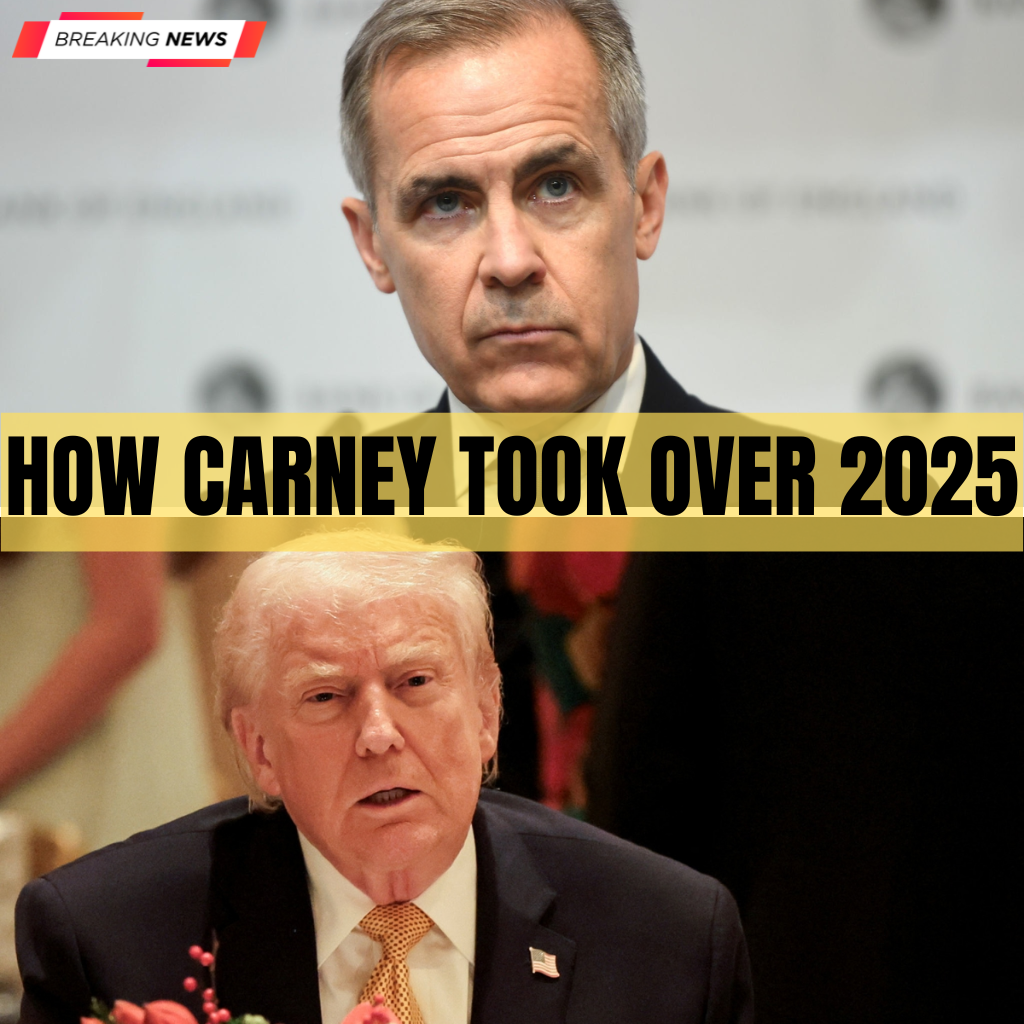
Few political stories in 2025 were as improbable—or as consequential—as Mark Carney’s rise to power. Entering national politics with no electoral history and inheriting a fractured Liberal Party on the brink of collapse, Carney was widely dismissed as a technocrat out of his depth. Instead, he defied expectations, calling a snap election and winning decisively at a moment of deep public exhaustion. His ascent did more than rescue a party; it reset Canada’s political narrative, elevating competence, crisis management, and stability over theatrics in an era defined by global volatility.
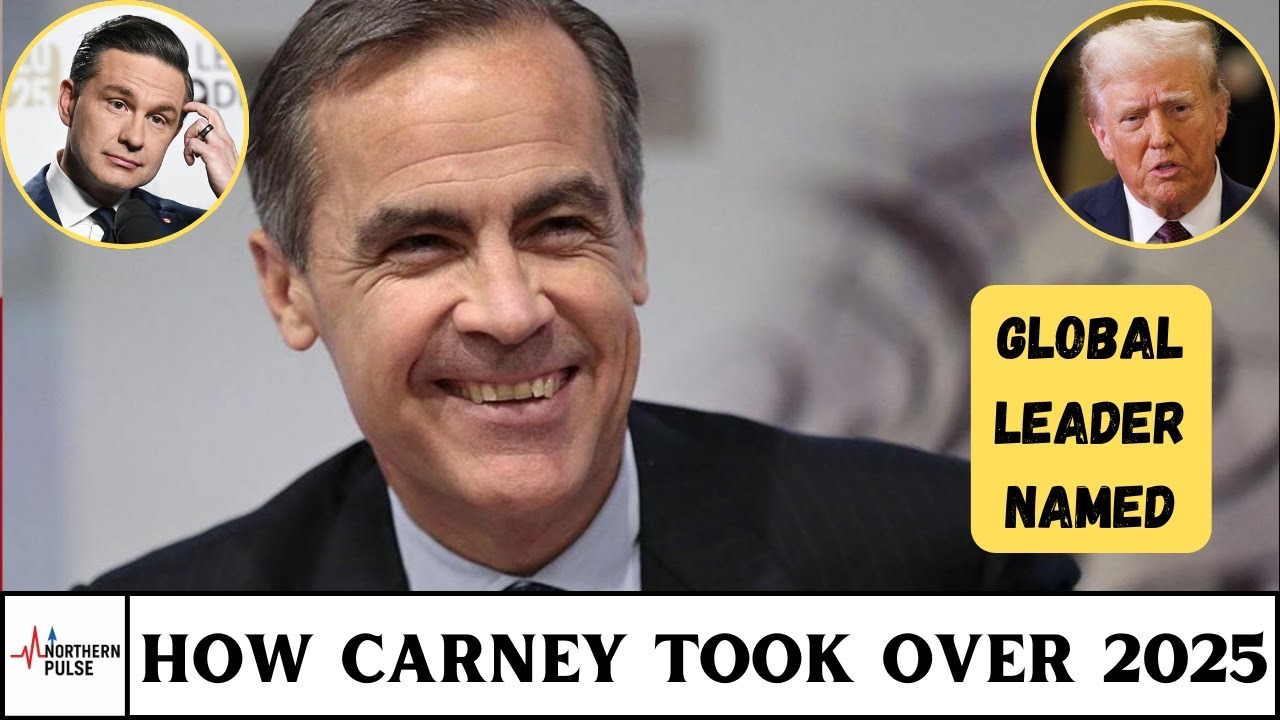
At the start of 2025, Canadian politics appeared stuck in a slow-motion unraveling. Voters were weary, trust in institutions was fraying, and the governing Liberal Party was sinking under the weight of internal divisions and public disappointment. Polls pointed toward a historic defeat, with opposition parties poised not just to win, but to dominate. The prevailing mood was resignation, not rebellion—a sense that decline was inevitable and alternatives were unconvincing.
It was into this atmosphere that Mark Carney stepped, abruptly and unexpectedly.
Carney was not a traditional politician. He had never run for office, never tested his instincts on the campaign trail, and never built a grassroots base. What he did have was a reputation forged in moments of global crisis—steering central banks through financial collapse and earning international credibility when stability was scarce. To critics, that made him ill-suited for retail politics. To a country exhausted by drama, it made him compelling.
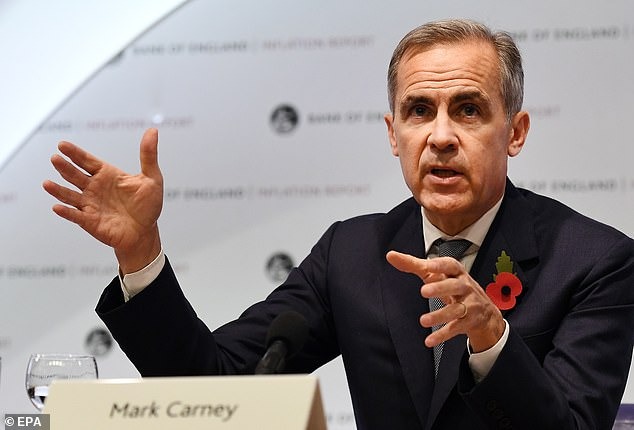
The Liberal Party’s decision to elevate Carney was widely seen as a last roll of the dice. Insiders worried he lacked political instincts; opponents mocked him as an unelected technocrat. But when the leadership contest concluded with overwhelming support, something shifted. The party wasn’t just choosing a leader—it was choosing a new logic for survival.
Carney wasted no time. Rather than cautiously consolidating power, he called a national election almost immediately. The move stunned both allies and rivals. Conventional wisdom said the Liberals needed time to recover. Carney, instead, forced a reckoning. If voters wanted stability, he would ask them directly.
What followed was one of the most unusual campaigns in recent Canadian history. Carney did not rely on soaring rhetoric or populist outrage. His messaging was controlled, measured, almost austere. He spoke less about ideology and more about preparedness. Less about promises, more about capacity. In a political culture accustomed to performance, his restraint became a feature rather than a flaw.
Gradually, the narrative began to change. Voters who had tuned out politics began paying attention—not because they were inspired, but because they felt reassured. Against expectations, momentum swung. Election night delivered a result few analysts had predicted: a Liberal victory that defied polling and shattered assumptions about voter behavior in an era of distrust.
The win redefined leadership in Canada. Experience, it turned out, did not mean years on the campaign trail—it meant demonstrated competence under pressure.
Almost immediately, Carney faced his next test. Trade tensions with the United States resurfaced, threatening economic disruption and political fallout. Where others might have escalated or panicked, Carney absorbed the pressure. He framed disputes as strategic challenges, not existential threats, and emphasized long-term positioning over reactive tactics. International observers took note. Canada, once seen as vulnerable to external shocks, began to appear unusually steady.
Political commentators struggled to categorize Carney’s leadership. He did not fit established molds. He was neither populist nor partisan firebrand. Instead, his rise marked a departure from narrative-driven politics toward something more managerial—and, paradoxically, more reassuring.
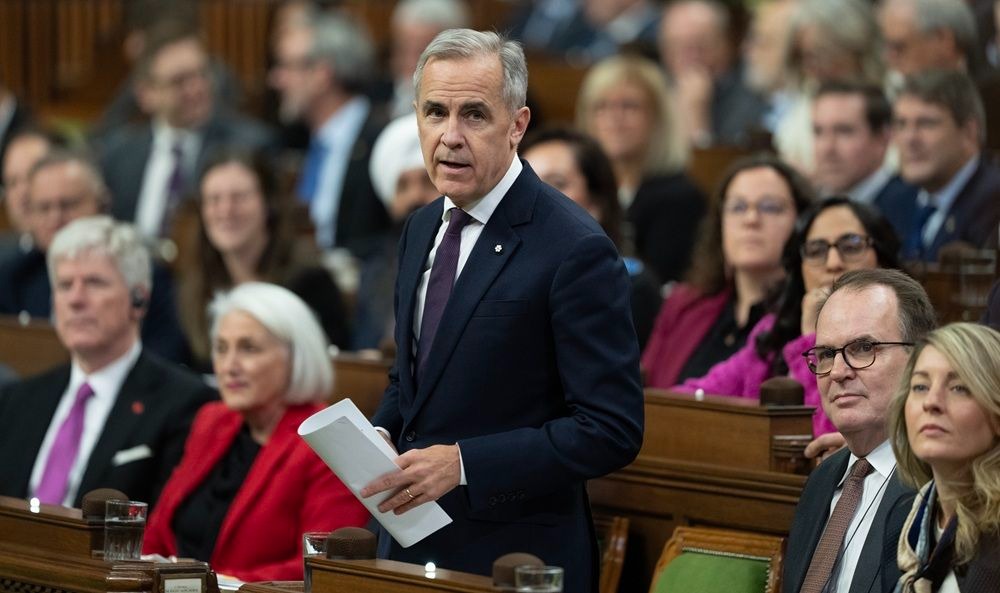
By year’s end, the Canadian press named Carney Newsmaker of the Year. The recognition reflected more than electoral success. It acknowledged a broader shift in the national conversation: stability had regained value. Competence had become politically attractive again.
Analysts began to argue that 2025 would be remembered as a turning point. In a world increasingly defined by volatility, Canada had elevated a leader whose primary appeal was control. That choice, they suggested, could reshape expectations not only for future Canadian leaders, but for democracies grappling with similar fatigue.
The long-term consequences remain uncertain. But one lesson is already clear. Mark Carney’s ascent demonstrated that moments of deep uncertainty can clarify what voters truly want. Not spectacle. Not outrage. But leadership that holds steady when systems strain.
As 2025 closed, Canada’s political story offered a quiet but powerful message to the world: in an age of chaos, calm can still win.