


A strategic pressure campaign by Washington against its northern neighbor has triggered a continental economic realignment with profound and unintended consequences. The United States has openly threatened to dismantle the foundational USMCA trade pact, a move initially designed to force Canadian compliance but which has instead galvanized a sweeping shift toward Canadian economic resilience and independence. This hardening stance, marked by blunt rhetoric from former President Donald Trump and explicit warnings from trade officials, has shattered decades of assumed stability in North American relations.
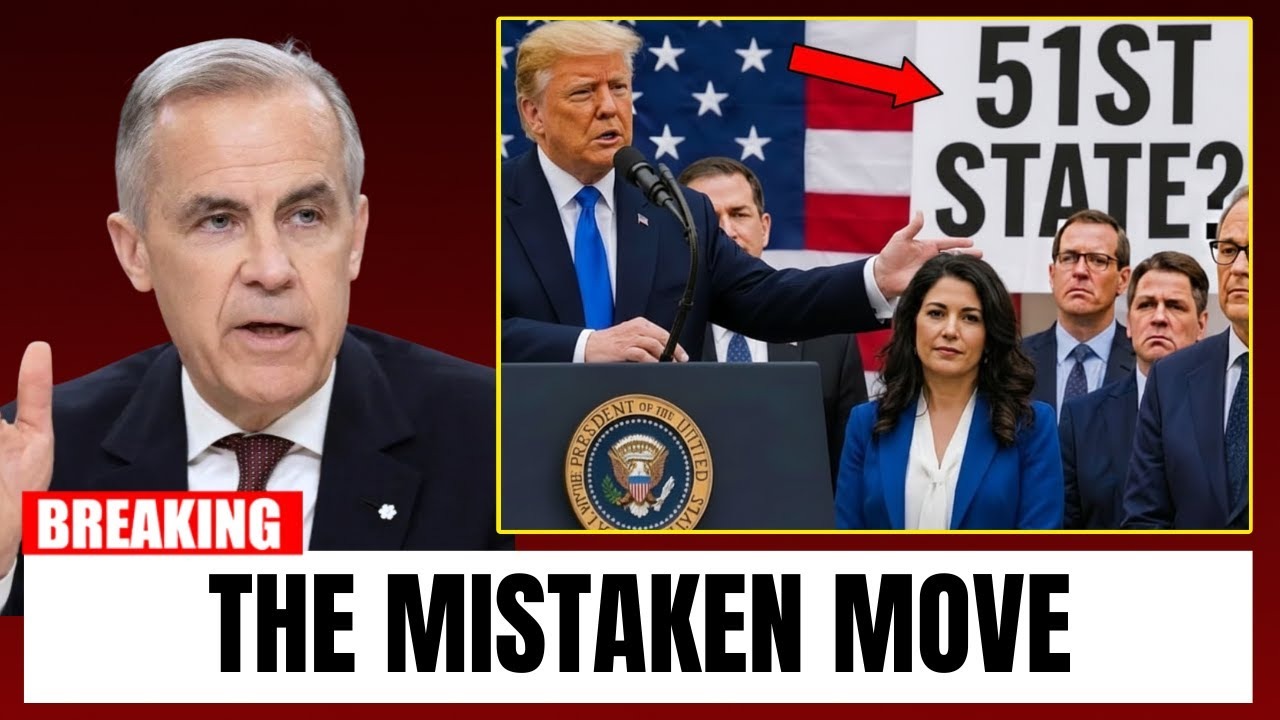
The confrontation escalated when the U.S. Trade Representative framed the future of the trillion-dollar USMCA as conditional, signaling a genuine willingness to walk away. President Trump amplified this, vowing unprecedented pressure on Ottawa. The language resembled an internal power struggle, a stark departure from diplomatic norms that signaled a new, adversarial phase. Washington further raised stakes by questioning Canada’s domestic political advertising laws and floating the idea of splitting the USMCA into separate deals with Mexico and Canada.
Conventional wisdom expected Canadian capitulation, but the response from Ottawa shocked Washington with its firmness. Canada’s Industry Minister articulated mounting frustration and a readiness to meet pressure head-on, coordinating closely with business, labor, and provinces. This unified front presented a stark question: what if the American strategy exposed U.S. vulnerabilities instead of Canadian weakness? Evidence soon suggested that was precisely what occurred.
As U.S. trade policy uncertainty persisted, disruptive ripples spread through American manufacturing. The sector contracted for nine consecutive months into late 2025, its longest slump since the financial crisis. Major transport equipment makers began layoffs and moved production overseas. Consumer confidence waned, with modest Cyber Monday growth hinting at household strain. Corporate America pushed back, with Costco filing a legal claim for tariff reimbursements, potentially exposing the government to massive liabilities.
Investment managers began recategorizing the United States as a higher-risk policy environment. Capital seeking predictability started to flow elsewhere, and Canada emerged as a prime beneficiary. An International Monetary Fund assessment highlighted Canada’s notable economic resilience despite the tariff threats. Foreign direct investment surged by nearly $78 billion, lifting the total stock to almost $1.5 trillion, a clear vote of confidence from global capital.
Canada’s strategic pivot was both swift and structural. Companies aggressively restructured supply chains, building parallel systems—one for the U.S. market and another for global partners. This dramatically reduced exposure to Washington’s policy shifts. Trade with Europe, India, and South America deepened rapidly. Industries once wholly dependent on U.S. access diversified at remarkable speed, turning defensive maneuvers into a strategic reset.
Newfoundland and Labrador offered a potent symbol of this shift. Once overwhelmingly reliant on the U.S. market, it now sends more than half its oil production to Europe, capitalizing on geopolitical shifts as Europe sought stable energy suppliers. Pressure intended to create dependency instead fueled Canadian autonomy. The government actively encouraged reshoring and nearshoring, with strong business support for local sourcing and supply chain independence.

Growth accelerated in future-focused sectors like electric vehicles, clean energy, critical minerals, and advanced manufacturing. For global firms, Canada transformed from a continental satellite into a stable, reliable partner for long-term investment. The European Union, facing global instability, increasingly viewed Canada as a dependable supplier of energy and critical minerals, while Asian companies saw it as a secure gateway to Western markets.
The outcome now bears little resemblance to Washington’s original design. Analysts openly suggest that if the U.S. exits the USMCA, Canada could reposition itself as a major manufacturing and supply chain hub for North America. The campaign to enforce alignment has paradoxically accelerated Canada’s journey toward greater economic sovereignty. The U.S. Ambassador to Canada has since attempted to ease tensions, stressing no intent to interfere in domestic politics.

Yet, he simultaneously pointed to Canadian political messaging in U.S. markets as evidence of blurred lines, an acknowledgment that has only heightened scrutiny. Former diplomats warn that ambiguous strategy documents leave excessive room for influence operations as both nations approach politically sensitive periods. Anxiety continues to build with a major USMCA review scheduled for next year; consultations have already begun behind closed doors.
At the highest levels, efforts to maintain dialogue persist. Prime Minister Mark Carney recently met with President Trump and Mexican President Claudia Sheinbaum at an international summit, where they held extended talks and publicly committed to continued cooperation. This diplomatic theater underscores the high-wire act now defining continental relations.
What began as a blunt-force pressure tactic has evolved into a complex test of strategic endurance, revealing the law of unintended consequences in stark relief. The defining question now hovering over Washington and Ottawa is impossible to ignore: has the relentless push for leverage inadvertently created a stronger, more self-reliant economic competitor on America’s doorstep? The answer, forged in boardrooms and government offices across both nations, will shape the future of North American trade and power for decades to come.