



Canada’s long-planned purchase of American-made F-35 fighter jets has ignited a fierce national debate that reaches far beyond military hardware. As U.S. officials increasingly link defense procurement to trade access, critics warn that Ottawa’s decision-making may be drifting from alliance-based cooperation toward quiet coercion. With public pressure replacing closed-door diplomacy, Canadians are questioning whether sovereignty can truly exist when critical defense systems remain under foreign control. At the same time, an unexpected alternative from Sweden is reshaping the conversation, turning a weapons purchase into a defining test of Canada’s autonomy and strategic future.
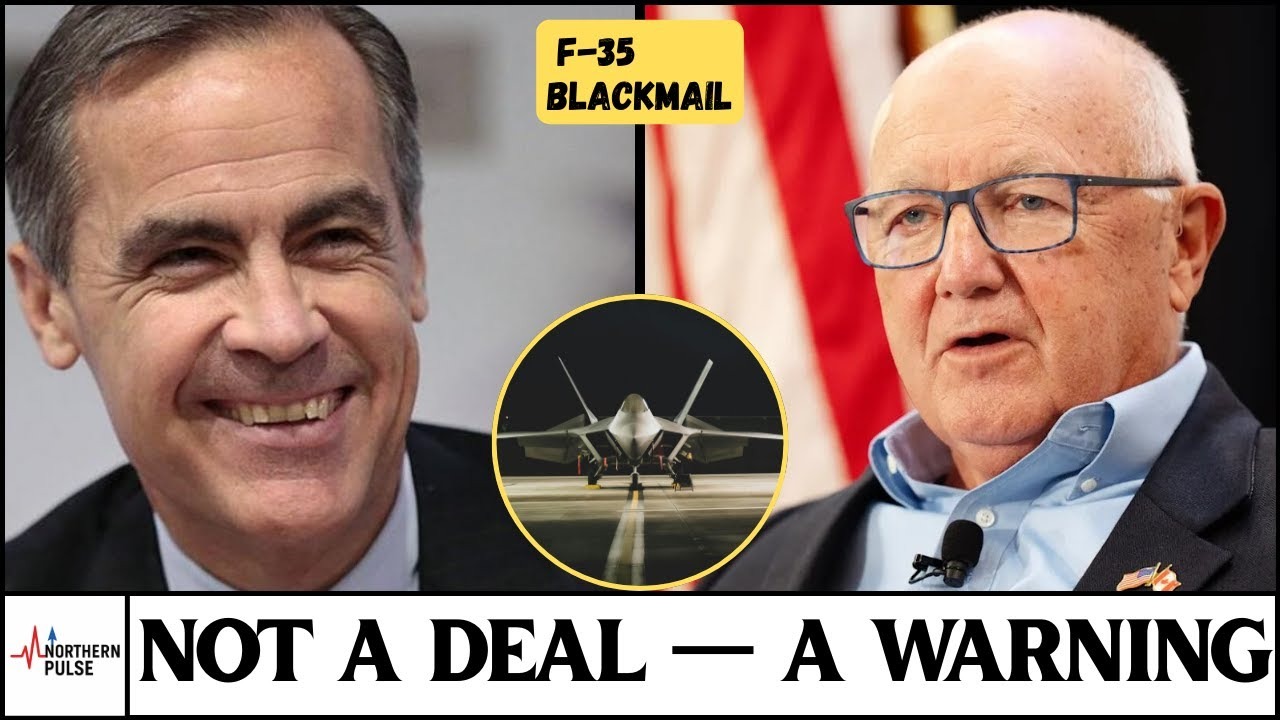
What was once framed as a routine defense modernization has become one of the most politically charged procurement debates in modern Canadian history. At its center lies the F-35 fighter jet — a fifth-generation aircraft marketed as the backbone of Western airpower, but increasingly viewed in Canada as a symbol of dependency.
The controversy escalated sharply when U.S. officials began publicly suggesting that Canada’s continued access to trade benefits could be influenced by its commitment to the F-35 program. This marked a notable departure from traditional alliance diplomacy, where disagreements were managed discreetly. The shift to overt messaging raised immediate alarms in Ottawa, transforming a military purchase into a sovereignty issue.
For critics, the problem is not merely the aircraft itself, but the precedent being set. Defense procurement, they argue, should be based on national security needs — not leveraged as a bargaining chip in economic negotiations. The implication that military loyalty must be “proved” through purchases has unsettled a public long accustomed to viewing the U.S.-Canada alliance as one rooted in mutual respect.
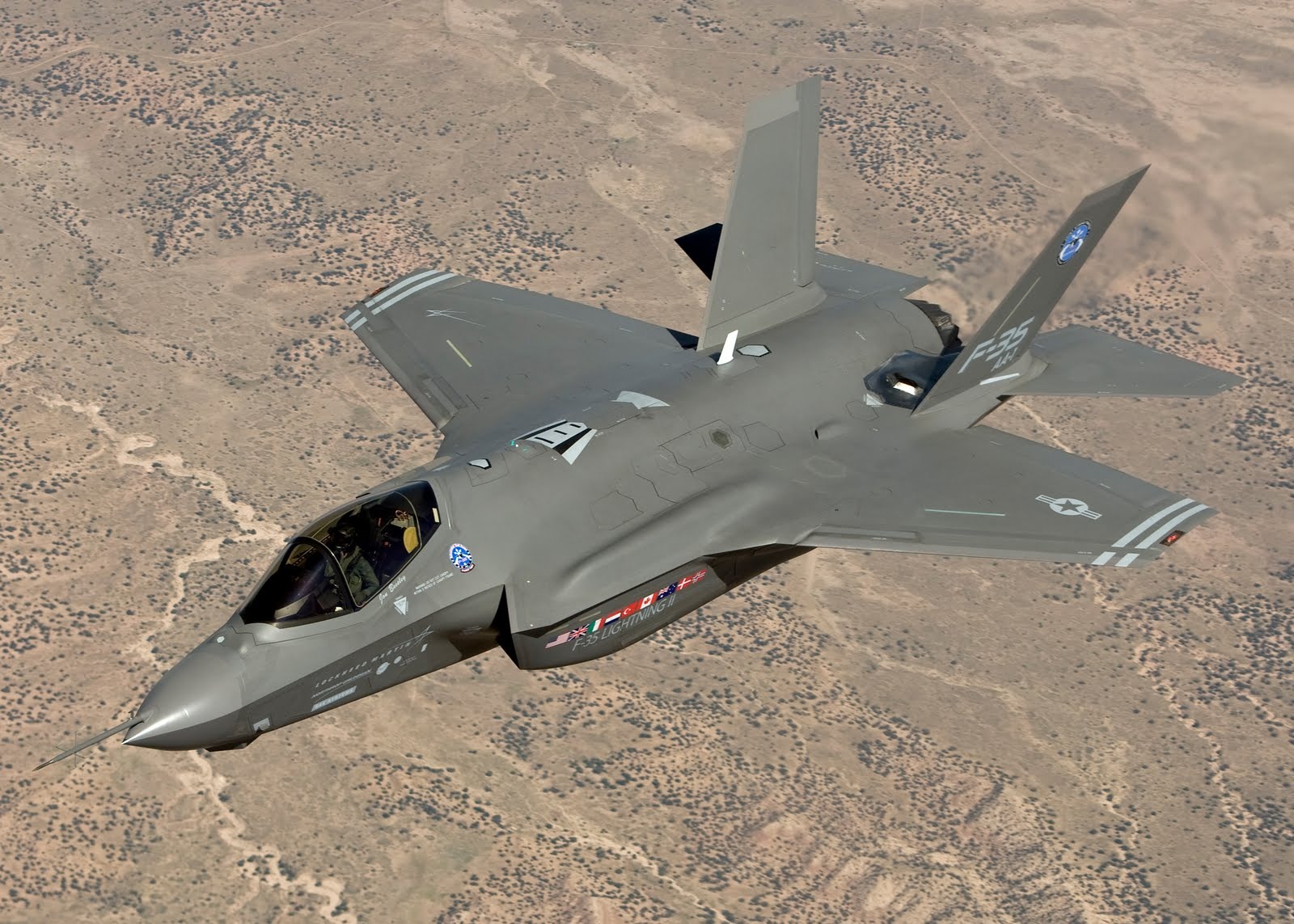
As scrutiny intensified, the F-35’s technical and operational record came under renewed examination. Reports of maintenance backlogs, delayed upgrades, and unresolved technical issues have fueled concerns about readiness. For a country with vast territory and limited military resources, reliability is not optional — it is foundational.
Even more troubling for sovereignty advocates is the structure of the F-35 program itself. Key elements of the aircraft’s software, logistics, and maintenance systems remain centralized under U.S. control. In practice, this means Canada cannot fully operate, modify, or sustain the aircraft independently. Critics warn that in moments of political tension, access to updates, parts, or approvals could be delayed — not by hostile action, but by administrative discretion.
This realization has prompted a reassessment within Canada’s defense community. Former supporters of the F-35 have begun to question whether advanced capability matters if operational autonomy is compromised. Sovereignty, they argue, is no longer defined solely by ownership, but by control over data, logistics, and sustainment.
Into this debate stepped an unexpected contender: Sweden’s Gripen E fighter jet. Unlike the F-35, the Gripen proposal emphasizes partnership rather than dependency. Sweden has offered full technology transfer, domestic assembly, and long-term maintenance within Canada. The economic implications are significant, promising thousands of skilled jobs and the development of a domestic aerospace ecosystem.
The contrast between the two aircraft has sharpened the national conversation. On one side stands the F-35 — technologically advanced, but tightly bound to U.S. oversight. On the other, the Gripen E — less globally dominant, but designed to be operated, upgraded, and controlled entirely by the purchasing nation.
For many Canadians, the question now extends beyond performance metrics. Should Canada continue relying on systems it cannot fully control, or should it prioritize independence, even if that means diverging from U.S. preferences? The Gripen’s appeal lies not just in cost or capability, but in the promise of strategic self-reliance.

The public nature of Washington’s pressure has further complicated the issue. What was once an assumption of trust now feels conditional. Allies, critics argue, should not need to prove loyalty through procurement choices. The spectacle of defense decisions being publicly tied to trade access has left many Canadians uneasy about the future balance of the relationship.
At stake is more than a fleet of fighter jets. The outcome will shape Canada’s defense posture for decades, influencing how it responds to crises, protects its airspace, and asserts its sovereignty. In an era where military systems are deeply intertwined with data control and supply chains, procurement decisions have become statements of national identity.
As global geopolitics grow more transactional, Canada finds itself at a crossroads. The F-35 debate has exposed uncomfortable questions about autonomy, alliance dynamics, and economic leverage. Whether Ottawa ultimately stays the course or pivots toward a more independent path, the decision will reverberate far beyond the runway — redefining how Canada balances partnership with sovereignty in an increasingly pressured world.