



The Pentagon is facing an unprecedented challenge from Sweden’s Gripen fighter jet, which poses a unique threat not due to superior technology, but because it embodies a revolutionary approach to air power. This shift in defense philosophy is alarming U.S. officials, as it undermines American influence and strategic control worldwide.
While the F-35 is celebrated for its advanced capabilities, the Gripen’s appeal lies in its economic efficiency and operational flexibility. Defense analysts emphasize that choosing Gripen is not merely a cost-saving measure; it signifies a move toward strategic independence. Nations opting for the Gripen are essentially rejecting dependence on U.S. defense systems, raising concerns in Washington.
Sweden’s Cold War legacy shaped the Gripen’s design philosophy, emphasizing survival over dominance. The aircraft can operate from short runways and requires minimal maintenance, making it ideal for rapid deployment in crisis scenarios. Unlike the F-35, which demands extensive logistical support, the Gripen can maintain high readiness rates with fewer resources.

The stark cost difference further complicates the Pentagon’s position. Operating the F-35 can cost between $35,000 and $47,000 per flight hour, while the Gripen’s cost is around $8,000. This disparity means countries can afford to fly Gripen five times more often, enhancing pilot training and combat readiness.
Moreover, the Gripen’s compatibility with NATO systems allows nations to integrate their own technologies without U.S. oversight. This autonomy is a game changer, as it enables countries to develop their defense capabilities independently. The Pentagon fears that this shift could lead to a domino effect, with more allies pursuing self-sufficiency in defense.
The Gripen’s advanced electronic warfare capabilities further elevate its status. It can jam enemy radar and disrupt air defenses, making it a formidable adversary in real-world scenarios. This pragmatic approach to air power, focusing on survivability and operational readiness, is what truly unsettles U.S. defense planners.
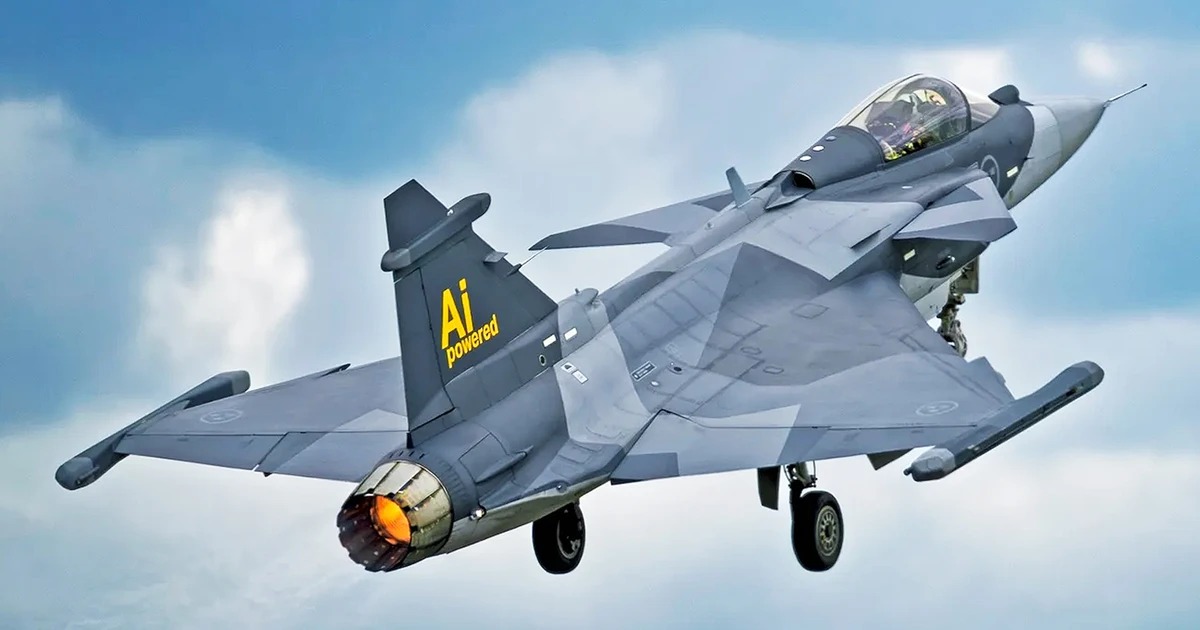
As NATO exercises reveal higher operational rates for Gripen units compared to F-35s, the question of true air superiority becomes critical. Is it better to have fewer advanced aircraft that are often grounded, or a larger fleet that is consistently ready for combat? The Gripen’s model is winning on multiple fronts.
The implications of this shift extend beyond mere aircraft competition; they challenge the entire U.S.-led defense paradigm. Countries choosing Gripen are not just selecting an aircraft; they are asserting their right to self-determination and independence in defense matters, a concept the Pentagon is desperate to contain.
As nations grapple with the choice between high-cost technology and strategic autonomy, the Gripen’s rise represents a fundamental challenge to the status quo. The Pentagon’s unease stems not from the aircraft’s capabilities, but from what it symbolizes: a future where countries can defend themselves without relying on American support.
In the coming years, this confrontation between Gripen and F-35 will redefine global power dynamics. The ultimate question remains: will nations prioritize absolute technological superiority tied to U.S. control, or will they embrace the freedom that comes with a more pragmatic, cost-effective defense strategy? The stakes have never been higher for the Pentagon.