


It wasn’t a rally, a debate, or a policy announcement. It was a campfire. Yet in a quiet moment beside the flames at a winter gathering in rural Ontario, Mark Carney may have triggered one of the most revealing political conversations Canada has seen in years. The former Bank of Canada governor didn’t posture or provoke. He handed out marshmallows, joked with children, and spoke like a neighbor—not a candidate. In doing so, Carney exposed a growing hunger among Canadians for leadership rooted in calm, authenticity, and emotional intelligence—especially as global politics grows louder, harsher, and more confrontational.
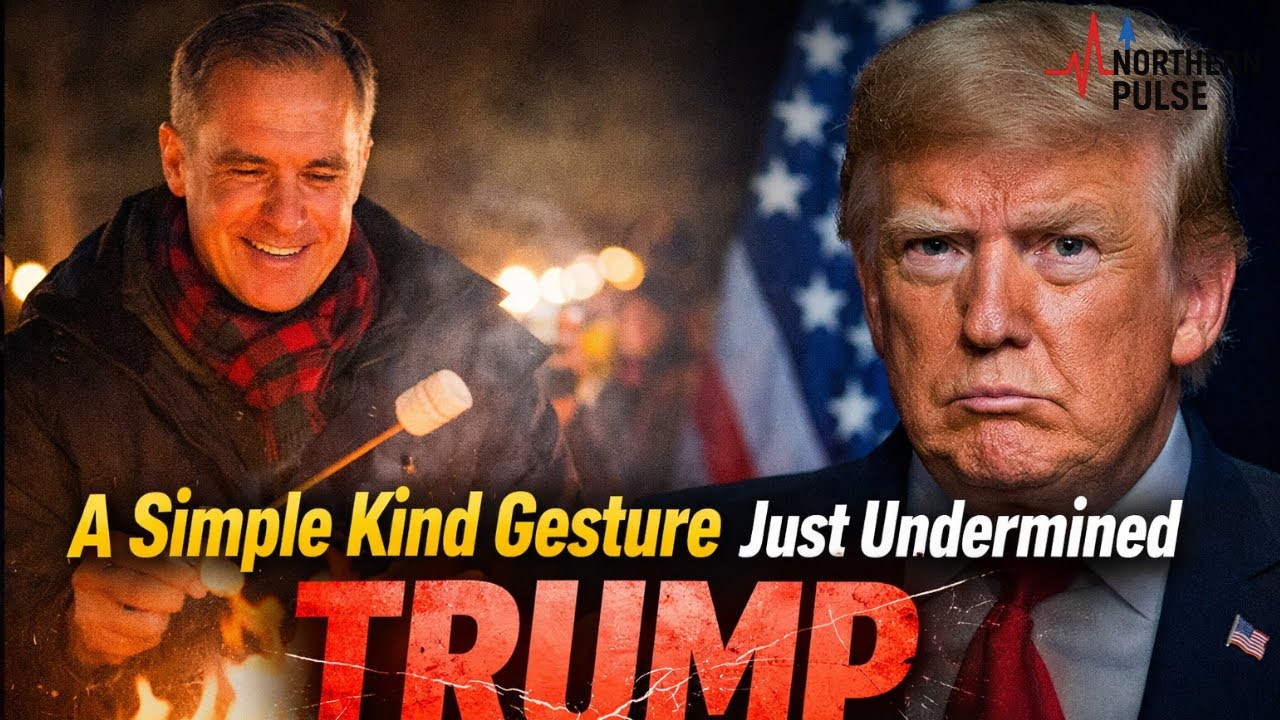
At first glance, the scene at Fifield Tree Farm looked unremarkable. Families gathered on a cold evening, children clustered near a crackling fire, the smell of smoke and winter air hanging low. There were no banners, no slogans, no booming sound systems. And yet, this ordinary setting is now being described by political observers as quietly extraordinary.
Mark Carney’s presence there was not choreographed. He didn’t arrive with a speech. He didn’t dominate the moment. Instead, he blended in—passing marshmallows, laughing easily, and engaging without urgency. For many Canadians, that absence of performance was precisely the point.
Social media reaction was swift and telling. Comment after comment echoed the same sentiment: relief. Not excitement. Not outrage. Relief. Canadians described Carney as a “normal human being,” a phrase that has become unexpectedly powerful in an era where politics often feels theatrical, combative, and emotionally exhausting.
This reaction reveals more about the political climate than it does about one man. After years of polarization, economic anxiety, and global instability, voters appear less drawn to dominance and more to steadiness. Less impressed by force, more comforted by composure.
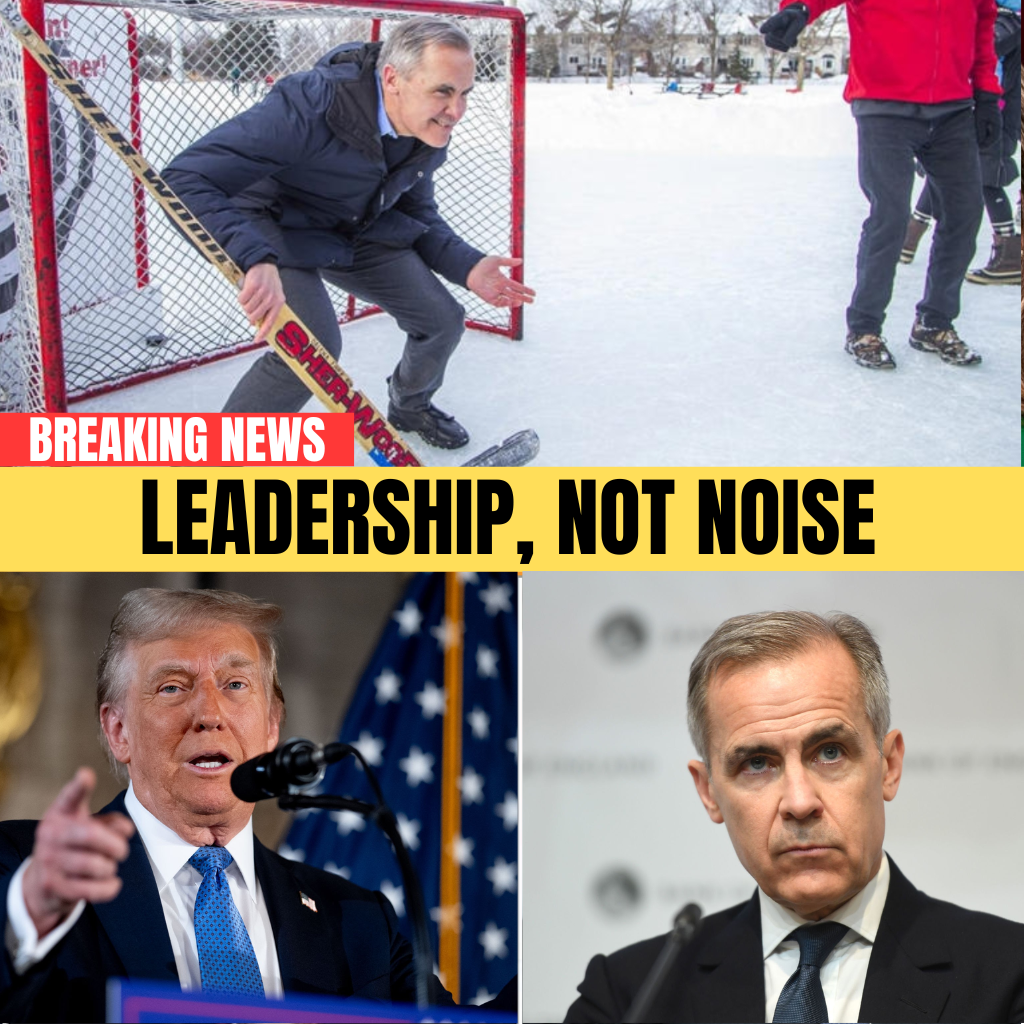
The contrast with Donald Trump—frequently invoked by observers—was unavoidable. Trump’s political identity has long been defined by confrontation, spectacle, and intimidation. His rallies thrive on volume and conflict. Carney’s campfire moment, by contrast, thrived on quiet presence.
To many Canadians, the juxtaposition felt symbolic. Where Trump represents politics as combat, Carney appeared to represent politics as connection. One style demands attention. The other earns trust.
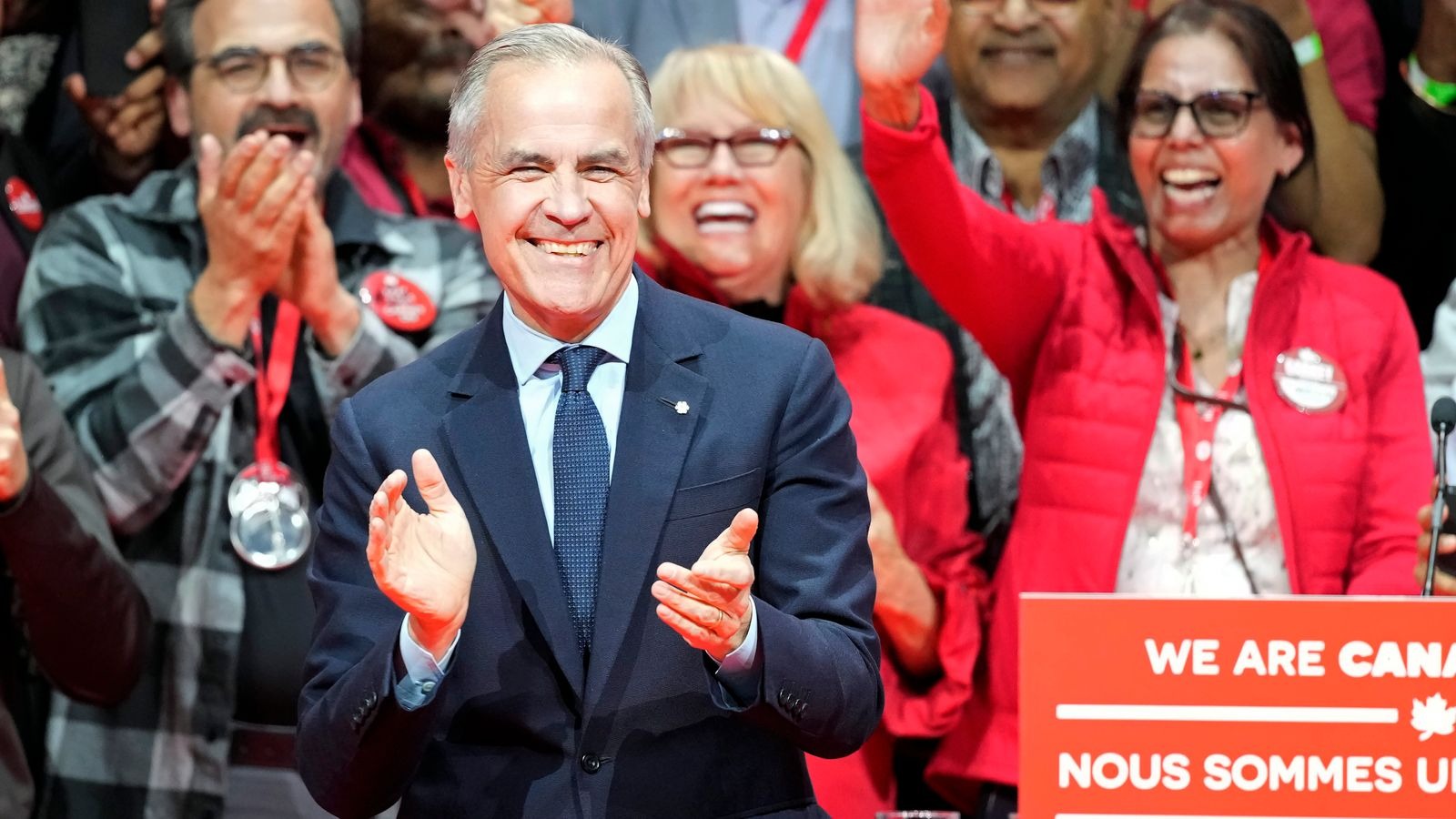
What makes the moment more potent is that it aligns with a broader pattern in Carney’s public life. Former colleagues and civil servants have long described him as someone who listens more than he speaks, who expresses gratitude without calculation, and who avoids dominating rooms. These traits, once dismissed as technocratic or uncharismatic, are suddenly being reinterpreted as strengths.
In a time of rising economic stress and global uncertainty, emotional intelligence has become a form of leadership currency. Canadians are increasingly aware that volatility at the top can translate into instability below. Calm, once mistaken for weakness, now feels like a form of security.
The campfire moment also challenges a deeply ingrained political myth: that strength must look aggressive. Carney’s demeanor suggests something different—that authority can be quiet, that confidence doesn’t need volume, and that leadership can be grounded without being passive.
Importantly, this wasn’t about optics alone. There was no attempt to manufacture relatability. No staged authenticity. The power of the moment came from its lack of intention. It felt real because it wasn’t trying to feel like anything at all.
That authenticity struck a nerve because it’s increasingly rare. Modern politics, especially in the shadow of global populism, often rewards outrage over empathy and dominance over dialogue. Carney’s campfire didn’t just contrast with that trend—it questioned it.
As this moment continues to circulate online and in political conversations, it has taken on symbolic weight. It represents a growing desire among Canadians for leaders who don’t escalate tension, but absorb it. Who don’t inflame divisions, but lower the temperature.
In a world saturated with conflict, the image of a leader calmly standing by a fire, listening, laughing, and doing nothing remarkable has become remarkable itself.
Whether this moment translates into lasting political momentum remains to be seen. But it has already accomplished something rare: it made people imagine leadership differently.
And in today’s political climate, changing what people believe power can look like may be the most powerful act of all.