


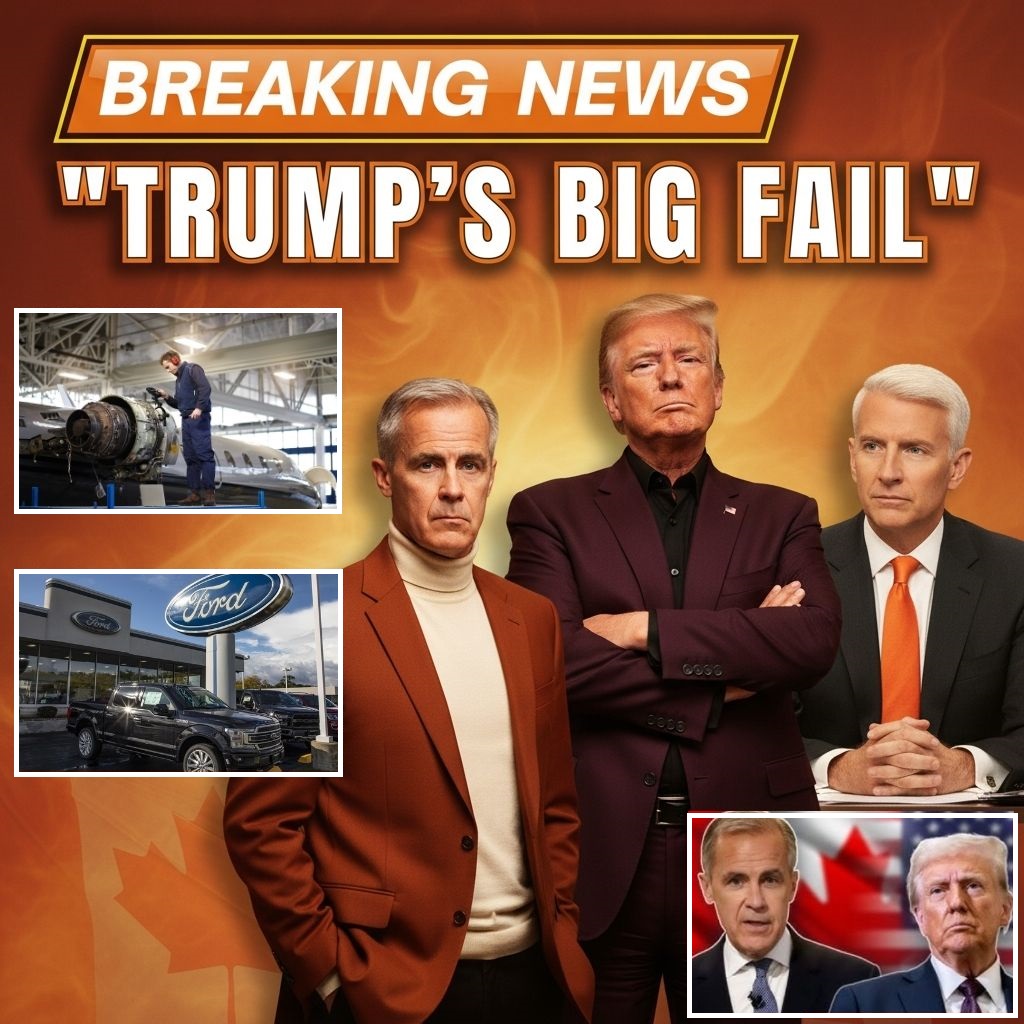
A deepening trade standoff exposes U.S. dependence on Canadian aluminum and threatens jobs, production, and national security manufacturing
Canada Delivers a Blunt Rejection as Trade Tensions Escalate
In a dramatic escalation of North American trade tensions, Canada has flatly rejected U.S. requests to ease aluminum import tariffs, delivering a one-word response that has sent shockwaves through American industry. The refusal highlights how deeply interwoven — and fragile — U.S.–Canada supply chains have become, particularly in high-value manufacturing sectors.
How the Aluminum Crisis Began
The crisis traces back to early 2025, when the United States imposed sweeping 25% duties on Canadian aluminum imports. The tariffs were justified as a defense against alleged market distortion and harm to domestic producers. Instead of strengthening leverage, the move quickly exposed a critical vulnerability: the U.S. lacks sufficient domestic capacity for several high-purity aluminum grades it relies on Canada to supply.
Emergency Requests and Canada’s Firm Response
By late February, pressure from aviation, defense, and electric vehicle manufacturers forced U.S. officials to seek limited exemptions for specialized aluminum alloys considered essential to national security and advanced manufacturing. Those requests culminated in a March 17 press conference, where Canada’s prime minister delivered a single, resolute answer: “No.” The moment reverberated across markets and policymaking circles worldwide.
Why Canadian Aluminum Is Irreplaceable in the Short Term
The standoff has revealed the depth of U.S. dependence on Canadian facilities that produce ultra-pure aluminum alloys used in military aircraft, commercial airliners, and electric vehicle platforms. Analysts note that alternative U.S. production cannot be scaled quickly, with meaningful capacity increases unlikely before well into next year.
Aviation Industry Feels the First Shock
The aviation sector has already begun absorbing the impact. On March 18, a major commercial aircraft manufacturer announced imminent 15–20% production cuts in critical structural components starting in April due to aluminum shortages. Industry leaders warn that further disruptions are likely if the standoff continues, threatening supply schedules across the global aerospace market.
Jobs and Communities at Immediate Risk
Beyond factory floors, the human cost is becoming clearer. Production managers report looming furloughs and hiring freezes, placing tens of thousands of workers at risk across aerospace and automotive hubs. Communities dependent on stable manufacturing output now face uncertainty tied directly to geopolitical decisions.
Strategic Miscalculation in U.S. Trade Policy
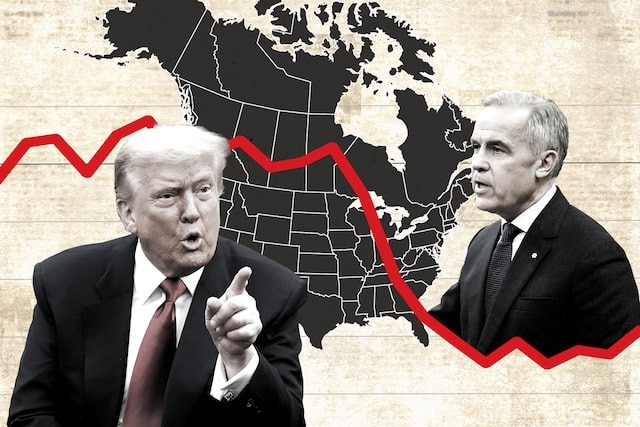
Trade analysts describe the situation as a severe strategic misstep. By imposing tariffs without fully accounting for supply-chain dependencies, policymakers underestimated how little leverage the U.S. actually held. The lack of short-term substitutes for Canadian aluminum has turned a pressure tactic into a liability affecting both economic and security interests.
Political Pressure Builds in Washington
The fallout has triggered bipartisan concern in Washington. Lawmakers from industrial states are questioning the tariff strategy as job losses and production slowdowns mount. Proposals to pause or narrow certain aluminum duties are gaining traction, reflecting growing unease over the economic consequences of continued confrontation.
Canada Signals a Shift in Continental Power Dynamics
Canada’s refusal also carries symbolic weight. It signals a shift away from automatic accommodation and demonstrates that leverage in integrated economies is more complex than tariff threats. Observers note that the move may recalibrate how power is exercised within North American trade relationships.
Limited Options for the U.S. Administration
Looking ahead, U.S. officials face difficult choices. They can roll back tariffs to restore supply continuity, maintain them and accept deeper industrial disruption, or pursue legal and diplomatic escalation that risks further damaging relations. None of these options promise a quick fix as production deadlines loom.
Long-Term Manufacturing Realignment Risks
If the stalemate persists, analysts warn of long-term consequences. Companies reassessing plant locations increasingly view Canadian operations as more stable and predictable, raising the possibility of a northward shift in manufacturing investment that could reshape North American industrial geography for decades.

A Wake-Up Call on Supply Chain Reality
This dispute underscores a broader lesson about modern trade. Aggressive measures that ignore deeply embedded supply dependencies can backfire dramatically. Canada’s one-word refusal has forced a reckoning over how interconnected economies must balance protectionism with practical resilience.
National Security and Innovation Under Strain
Industries tied to defense, aviation, and clean energy now face unprecedented uncertainty. The aluminum shortage threatens not just commercial output but also programs central to national security and technological leadership, amplifying pressure for a rapid diplomatic solution.
What Happens Next Will Shape the Continent
As markets watch closely, the coming weeks will determine whether diplomacy can bridge the widening gap or whether hardened positions will permanently alter U.S.–Canada trade relations. The outcome will affect jobs, industrial competitiveness, and alliance credibility across North America.
A Defining Moment in North American Trade
In the end, Canada’s terse “no” has marked a watershed moment. What was intended as a show of strength through tariffs has instead exposed fragile foundations in U.S. industrial planning. The decisions made next will echo far beyond aluminum, shaping the future of continental cooperation and economic stability for years to come.