


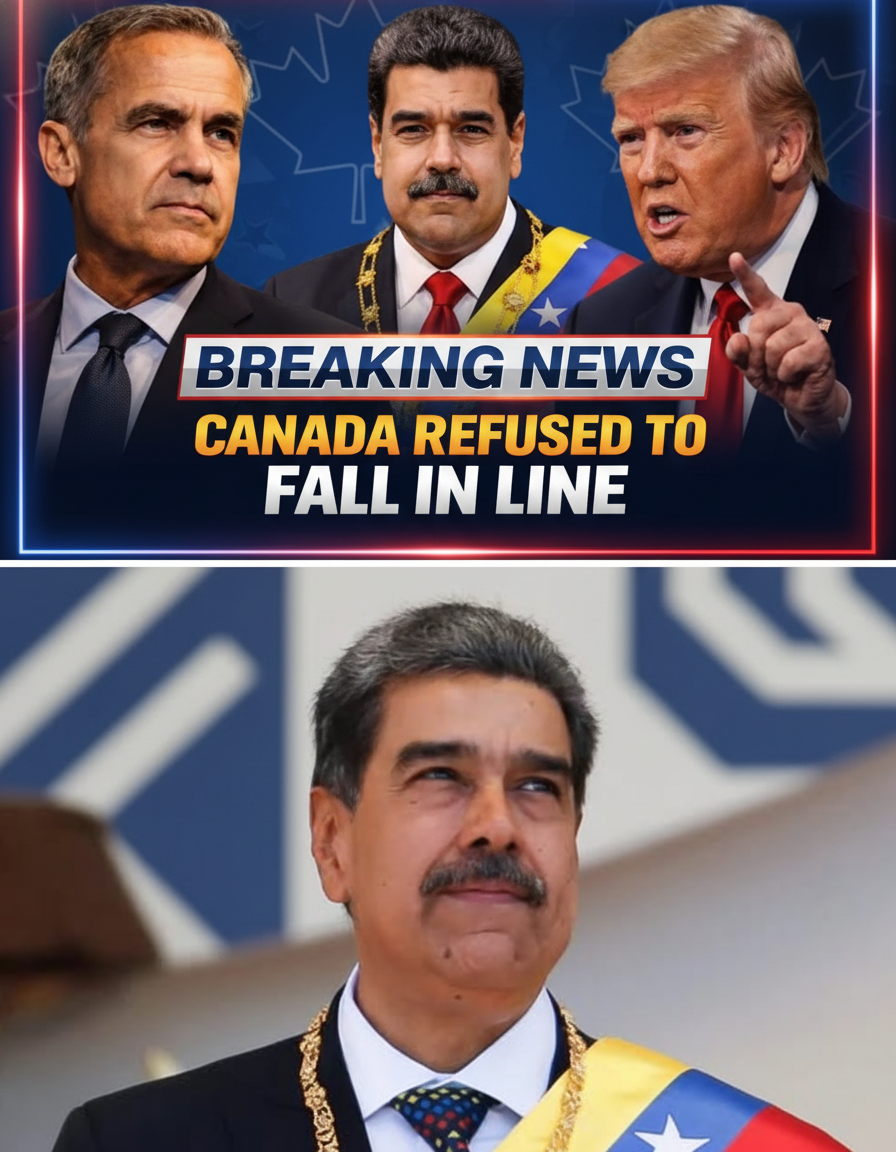
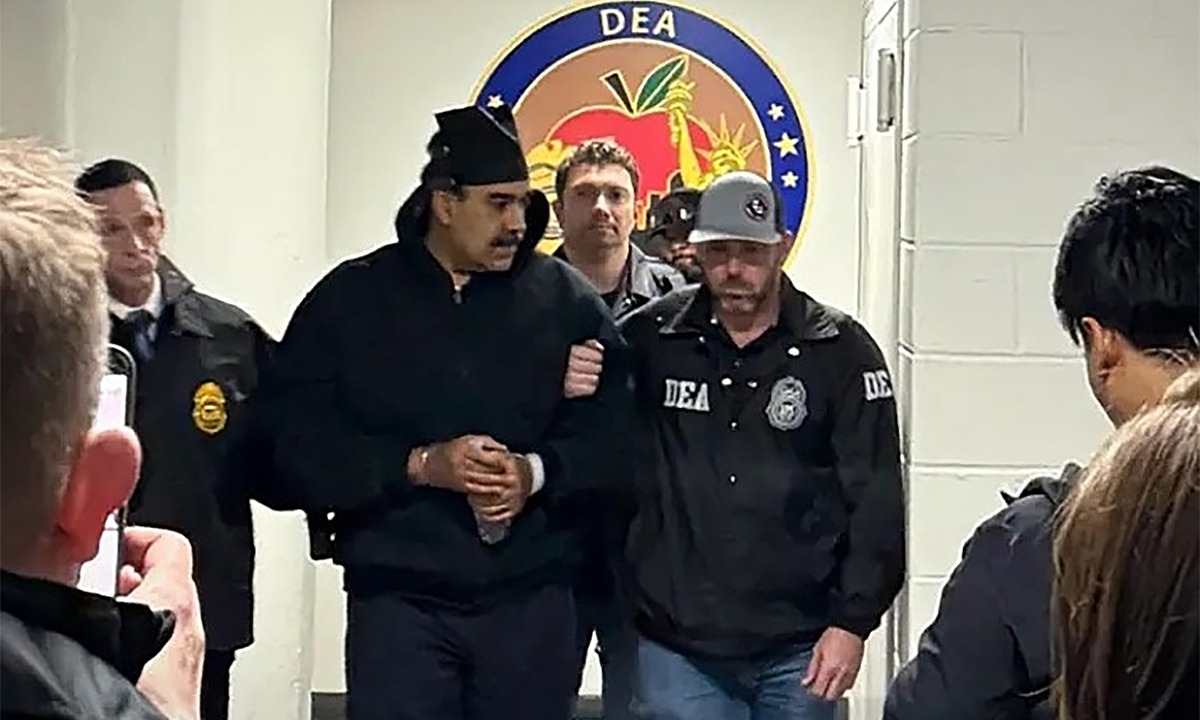
As U.S. forces stormed Caracas and Nicolás Maduro was captured, the world’s attention focused on Venezuela. But the real political shockwave hit Washington, where Canadian Prime Minister Mark Carney refused to endorse—or condemn—the U.S. invasion. In a carefully calibrated statement, Carney emphasized sovereignty, international law, and multilateral restraint, signaling a dramatic shift in Canada’s foreign policy posture. The unexpected stance rattled the White House, challenged assumptions of automatic Canadian alignment, and raised deeper questions about how far allies are willing to go in an era of unilateral military action.
That script never materialized.Instead, Canadian Prime Minister Mark Carney delivered a response that stunned Washington—not with outrage, but with restraint. In a moment when the United States expected affirmation, Canada chose independence. The result was a quiet but profound rupture in North American diplomacy.
A Statement That Changed the Tone
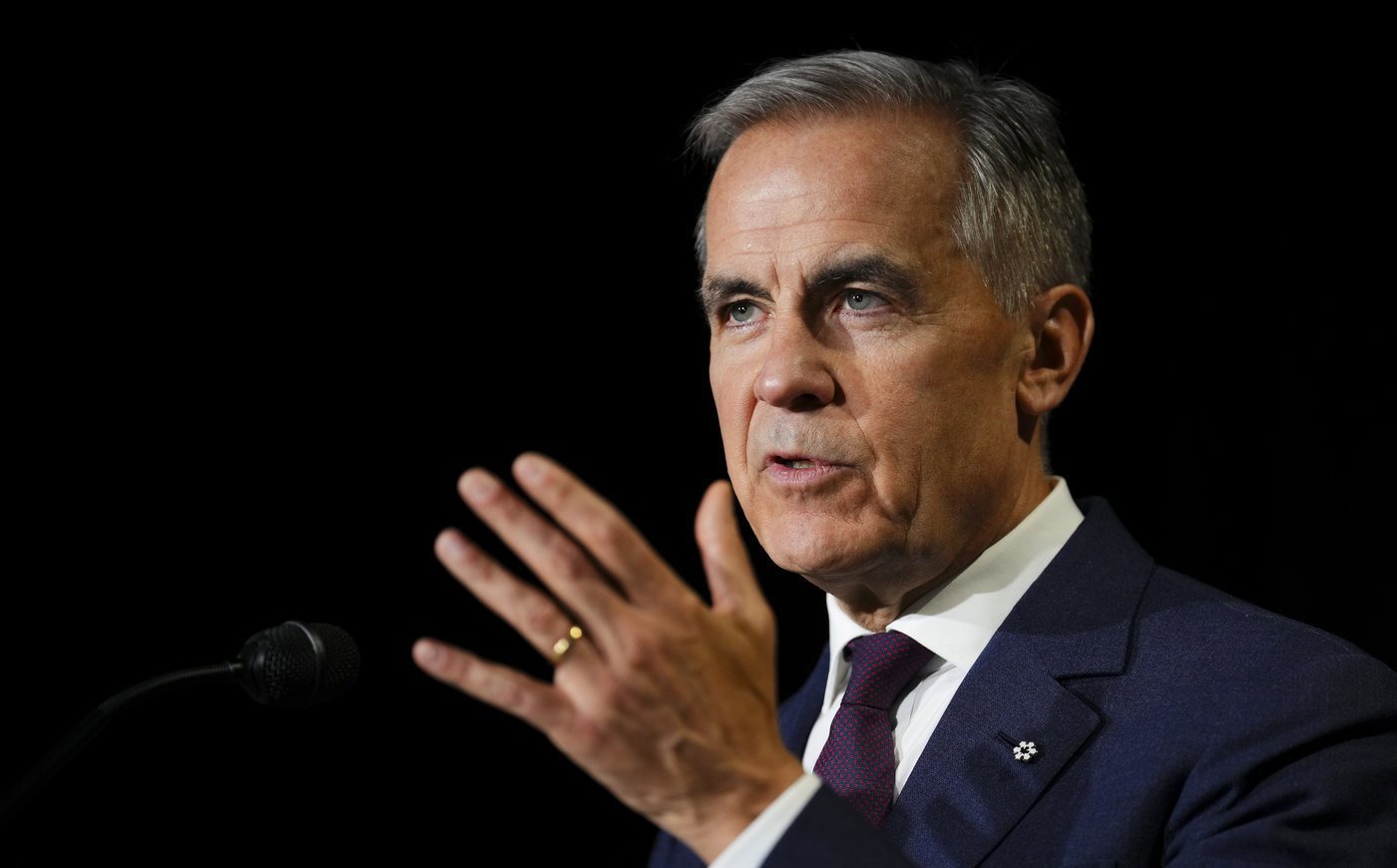
Carney’s response avoided the celebratory language emerging from Washington and rejected the binary framing of victory versus chaos. While reaffirming that Maduro’s regime lacked legitimacy and acknowledging years of human rights abuses, Carney refused to endorse the invasion itself—an operation carried out without United Nations authorization or broad international consensus.
Rather than reacting to the spectacle of regime collapse, Carney grounded Canada’s position in principle. Sovereignty, international law, and multilateral decision-making took precedence over military momentum. The message was subtle but unmistakable: Canada would not be pulled into unilateral action simply because of proximity or history.
For U.S. officials accustomed to quiet Canadian alignment, the response landed as a shock.
Breaking the Assumption of Automatic Support
For decades, Washington has treated Ottawa as a predictable partner—particularly in the Western Hemisphere. Canada had previously condemned Maduro, imposed sanctions, and supported Venezuelan refugees. Many analysts assumed those positions would translate into at least tacit approval of U.S. military intervention.
Carney shattered that assumption.
By neither celebrating nor denouncing the invasion, he carved out a third position—one that recognized the suffering of Venezuelans while rejecting the idea that external military force, undertaken unilaterally, was the solution. In doing so, Canada drew a line between shared values and unquestioned compliance.
Alignment, Carney signaled, does not mean obedience.
A Philosophical Divide Emerges
The contrast between Ottawa and Washington was not merely tactical—it was philosophical. U.S. officials spoke in the language of occupation and decisive action. Carney spoke of self-determination and peaceful transition. Washington emphasized speed. Ottawa emphasized legitimacy.
That divergence highlights a deeper shift in Canadian foreign policy. Under Carney, Canada appears increasingly committed to a rules-based international order at a time when such frameworks are being tested—or ignored—by major powers.
In an era of escalating global instability, Carney’s message was clear: restraint is not weakness, and principle is not paralysis.
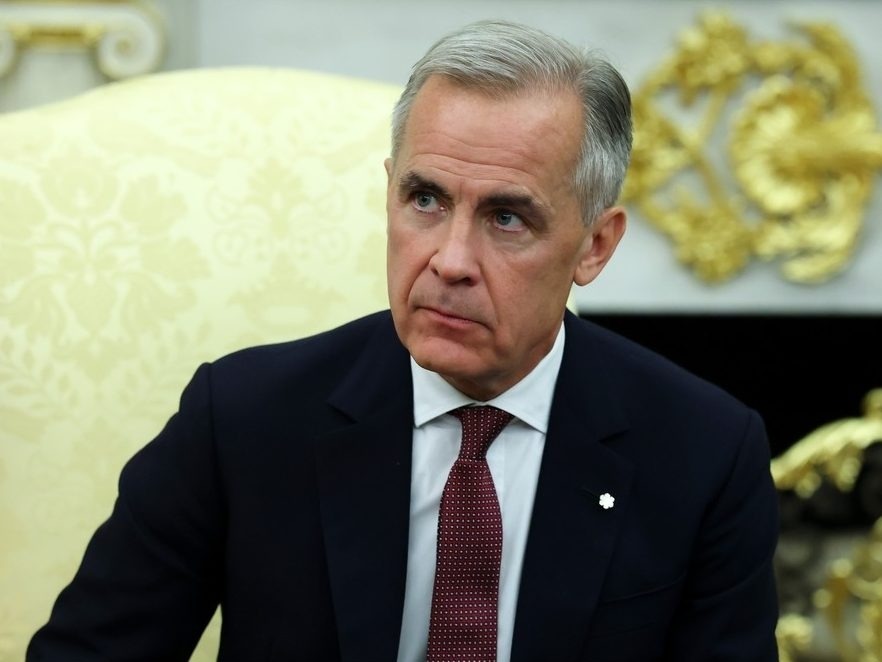
Domestic Reactions Reflect Global Tensions
Inside Canada, the response mirrored global divisions. Some political voices praised the U.S. invasion as a long-overdue blow against authoritarianism. Others condemned it as reckless and illegal. A growing middle ground acknowledged Maduro’s abuses while expressing deep unease about American unilateralism.
Carney rose above the noise.
Rather than engaging in partisan theater, he framed Canada’s position as consistent and enduring—rooted in democracy, international law, and long-term stability. That steadiness, rare in moments of geopolitical upheaval, underscored a leadership style focused less on performance and more on credibility.
Ripple Effects Beyond Venezuela
The implications of Canada’s stance extend far beyond Caracas. Allies across NATO and the Global South are watching closely, reassessing their own assumptions about alignment and autonomy. If Canada—America’s closest neighbor—can publicly resist unilateral pressure, others may feel emboldened to do the same.
For Washington, the message is sobering. Expectations of automatic support, especially for military interventions lacking international legitimacy, can no longer be taken for granted. The era of quiet consensus may be giving way to a more fragmented, principle-driven alliance system.
A New Role for Canada
As the dust settles in Venezuela, Carney’s response may prove more consequential than the invasion itself. By emphasizing independent judgment and multilateral engagement, Canada has positioned itself as a stabilizing force in an increasingly volatile world.
This moment could shape future debates—from NATO interventions to global crisis management—where restraint and legitimacy compete with speed and force. In choosing principle over pressure, Canada has redefined its role: not as a follower, but as a conscience within alliances.
In a world defined by unpredictability, Mark Carney’s measured stance sends a powerful signal. Alliances rooted in shared values endure longer than those built on compliance alone. And as global power dynamics shift, Canada has made clear it intends to lead—not loudly, but deliberately, and on its own terms.