



No one anticipated the seismic shift in Canada’s military procurement strategy as Sweden’s Gripen E proposal emerged, shaking the foundations of defense discussions. With a promise of co-production and technological independence, this unexpected offer challenges Canada’s reliance on American F-35 jets and redefines its air power landscape.

In a surprising twist, Sweden’s defense delegation delivered an audacious proposal that has left NATO and U.S. officials reeling. Instead of simply pitching fighter jets, they presented a transformative vision for Canada’s aerospace industry, offering full access to technology and the opportunity to assemble the Gripen E on Canadian soil.
This groundbreaking offer arrives at a time when Canada is grappling with the complexities of military spending and procurement delays. Previously, the F-35 seemed like the only viable option, despite its rising costs and controversial reputation. Now, the Gripen E has ignited a broader conversation about Canada’s strategic identity and independence in military capabilities.

The stakes are particularly high in the Arctic, where geopolitical tensions are escalating. With Russia expanding its military presence and China making inroads into polar regions, Canada needs an aircraft that can withstand harsh conditions and operate autonomously. The Gripen E, tested in Sweden’s brutal winters, is designed for such environments, offering reliability and flexibility.
Sweden’s proposal goes beyond just selling jets; it represents a commitment to a long-term defense partnership. Canada would gain sovereign control over its fighter systems, including mission data and software upgrades, a rarity in modern military agreements. This level of independence could redefine Canada’s role within NATO and its own defense strategy.
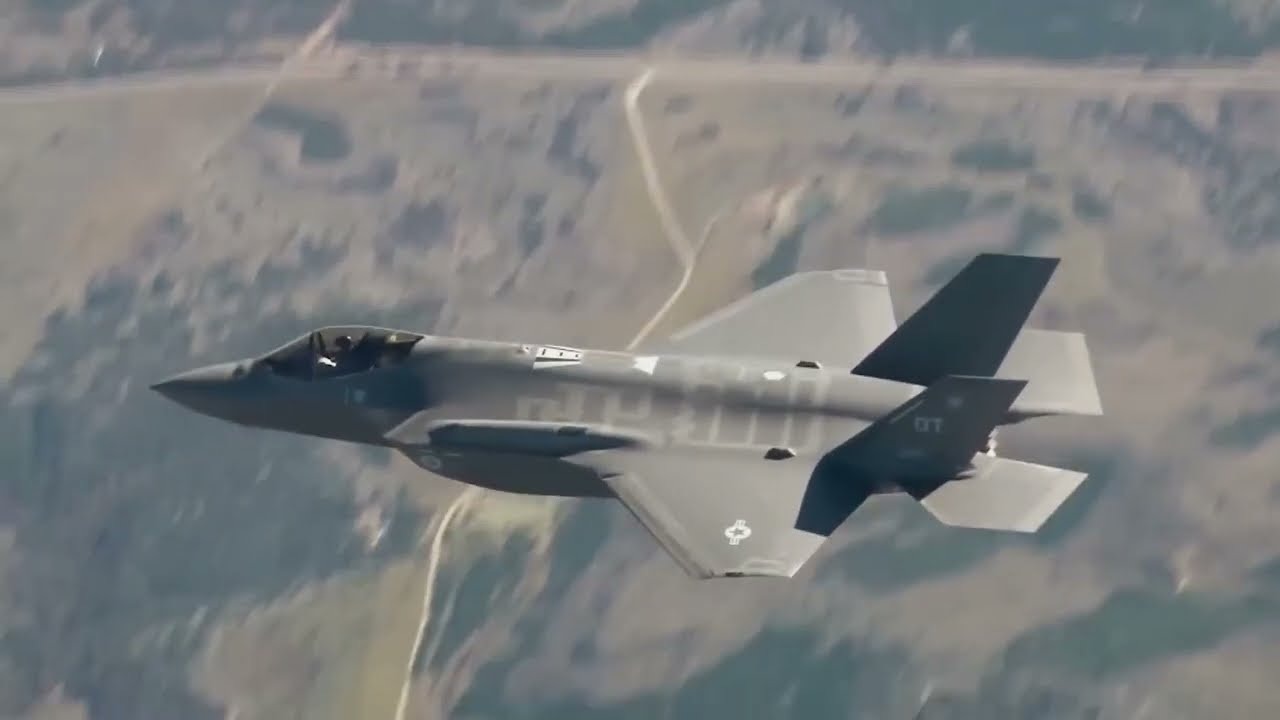
As the global defense landscape shifts, the Gripen E presents Canada with a pivotal choice: continue down the familiar path of dependency on American technology or embrace a future of sovereignty and innovation. The decision could reshape not just Canada’s military capabilities but its entire aerospace ecosystem.

In this moment of reckoning, Canada is not merely selecting an aircraft; it is determining its national future. The Gripen E is no longer an underdog; it has emerged as a serious contender, poised to alter the course of Canadian defense for decades to come.
As Ottawa deliberates, the world watches closely. Sweden’s bold move has detonated a conversation that was once thought closed, forcing Canada to confront its military identity and potential. The implications of this proposal extend far beyond the immediate procurement of fighter jets; they represent a chance for Canada to reclaim its place on the global stage.
Whatever path Canada chooses, one thing is clear: the Gripen E has transformed the narrative, challenging long-held assumptions and inviting a new era of military independence and technological collaboration. The future of Canada’s air power strategy hangs in the balance, and the world is eager to see which direction it will take.