


Trump Officials Bristle at Questions Over Venezuela as U.S. Role Faces New Scrutiny
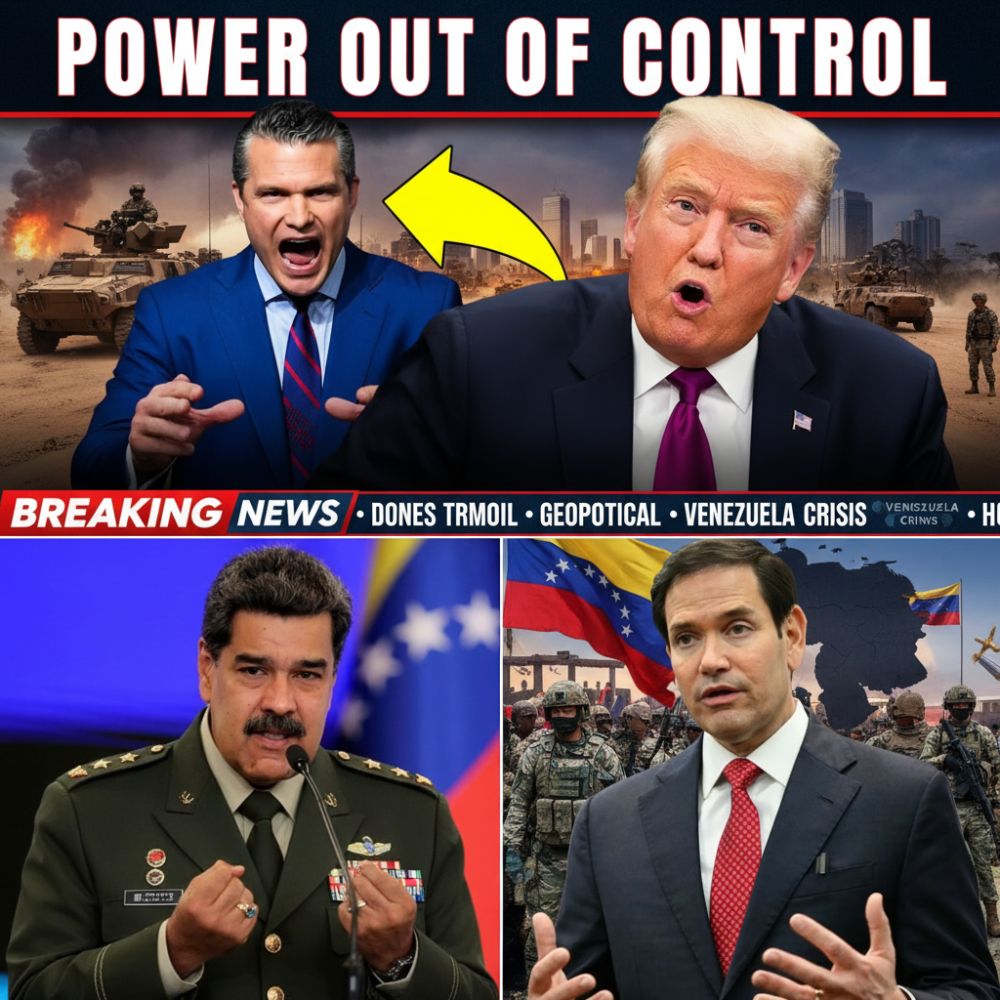
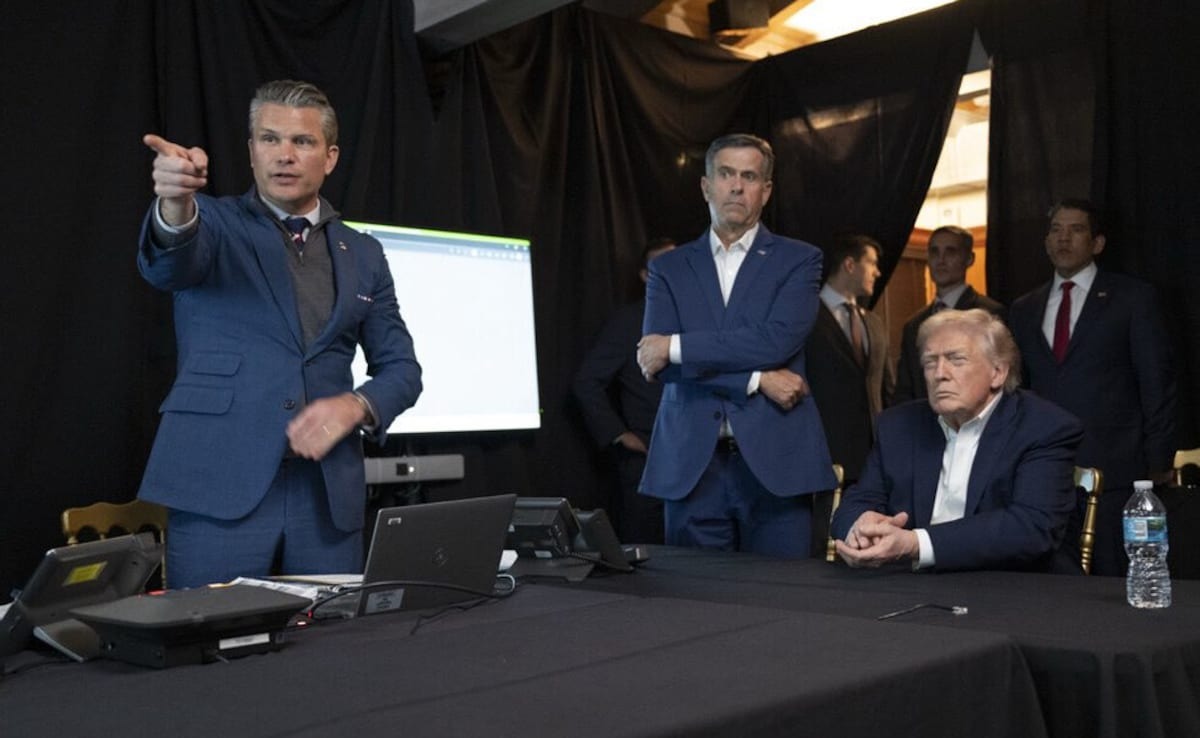
Washington — Two senior members of President Donald Trump’s cabinet forcefully pushed back this week when questioned about the cost and scope of American involvement in Venezuela, underscoring how sharply divided Washington has become over the administration’s increasingly assertive foreign policy in the Western Hemisphere.
The exchange, which took place during a joint press appearance by Defense Secretary Pete Hegseth and Secretary of State Marco Rubio, quickly spread across American social media platforms, where clips were replayed millions of times on X, YouTube, and TikTok. Supporters praised the officials’ combative posture, while critics said the moment revealed an administration unwilling to answer basic questions about accountability, cost, and long-term strategy.
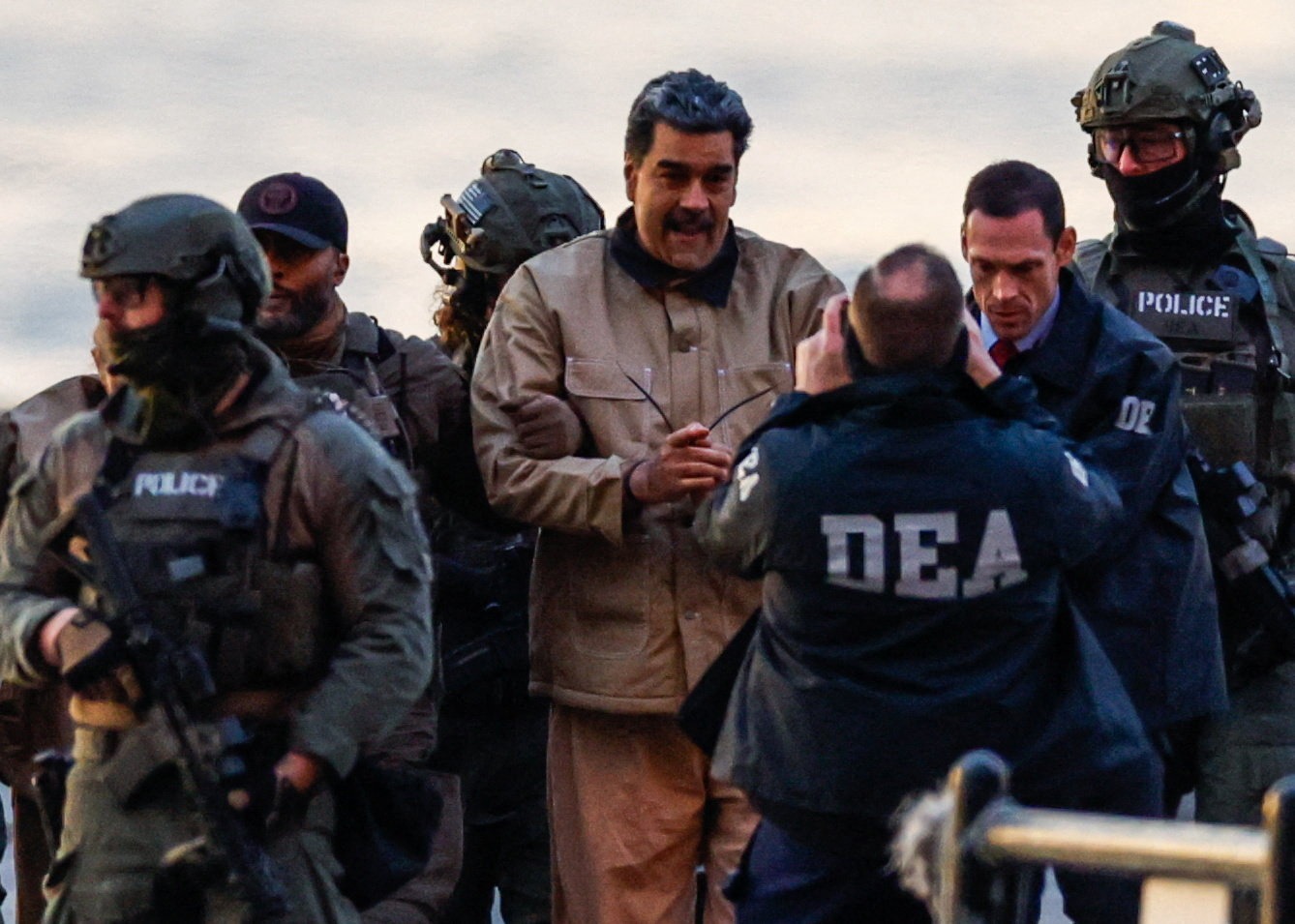
At issue is the Trump administration’s handling of Venezuela following the detention of Nicolás Maduro, an extraordinary development that has reverberated through Latin America and reignited memories of past U.S. interventions in the region.
A Question That Sparked a Reaction
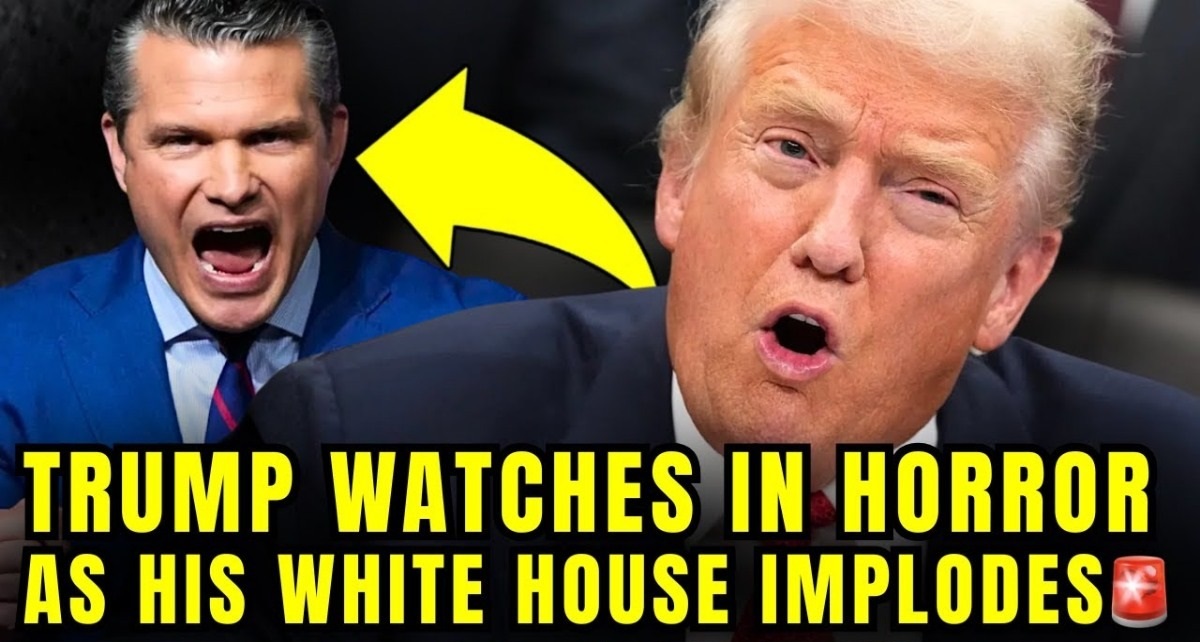
The flashpoint came when a reporter asked how much the United States’ military and logistical activities related to Venezuela were costing American taxpayers. Secretary Hegseth dismissed the question as “disingenuous,” arguing that similar scrutiny is rarely applied to routine U.S. naval deployments elsewhere in the world.
“Now that they’re in our hemisphere,” he said, referring to U.S. forces operating near Venezuela, “you’re asking about cost.”
Secretary Rubio echoed that sentiment, framing the operation as a historic success that demonstrated American military sophistication and resolve. He emphasized that Congress had been briefed in classified sessions and insisted that U.S. actions were already reshaping Venezuela’s strategic calculations.
The sharp tone stood in contrast to the substance of the question, which many analysts describe as central to democratic oversight: how much the intervention costs, who benefits from it, and how long it might last.
Venezuela and the Shadow of Iraq
For many Americans, the controversy has reopened uncomfortable parallels with the 2003 invasion of Iraq, which began with confident assertions from U.S. officials but evolved into a prolonged conflict with enormous human and financial costs.
“Whenever an administration dismisses cost questions outright, alarm bells go off,” said Laura Gutiérrez, a foreign-policy analyst at a Washington think tank. “That’s not because people oppose U.S. power, but because history has shown what happens when there is no clear accounting or exit strategy.”
Reports from Venezuela suggest a volatile situation on the ground. Videos shared by Venezuelan journalists and international outlets show armed security forces and paramilitary groups patrolling major cities, including Caracas, and conducting checks on phones and social-media accounts. The country’s interior minister has vowed retaliation against those accused of assisting the United States.
At the same time, protests against the Maduro government have intensified, with demonstrators calling for democratic reforms amid uncertainty over who truly holds power.
Oil, Leverage, and Geopolitics
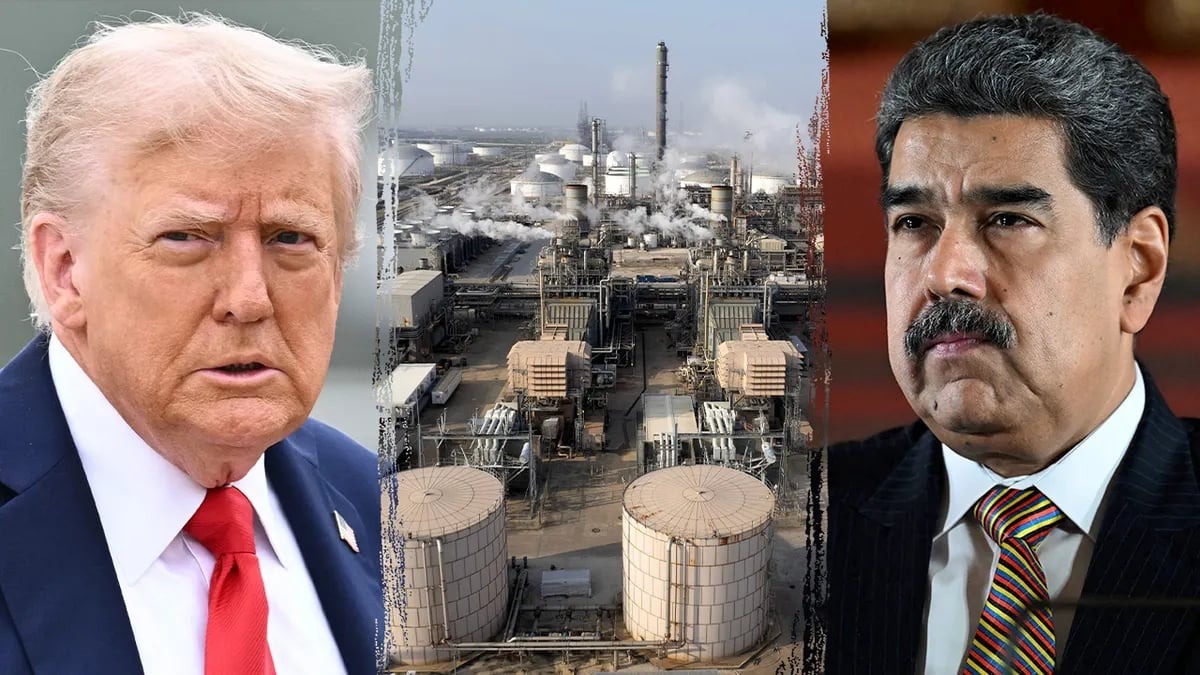
Adding to the controversy are reports that the Trump administration is seeking to fundamentally realign Venezuela’s economic partnerships. According to multiple U.S. media outlets, American officials have demanded that Caracas sever ties with Russia, China, and Iran and grant U.S. companies privileged access to Venezuelan oil production.
President Trump has publicly stated that Venezuela will turn over tens of millions of barrels of oil, with revenues overseen by the United States. Administration officials say the funds will benefit both Venezuelans and Americans, though details of how that oversight would work remain unclear.
Energy analysts note that Venezuela possesses some of the world’s largest proven oil reserves, making it a long-standing focus of U.S. strategic interest.
“The oil piece is crucial,” said Mark Reynolds, an energy economist. “But without transparency, it’s hard for the public to understand whether this is about stabilizing Venezuela, securing energy supply, or projecting power.”
Social Media as the Battleground
The press conference moment quickly escaped the confines of traditional media. Political commentators on YouTube dissected every line of the exchange, while memes and critical commentary flooded X. Some users mocked the officials’ defensive posture; others argued that the administration was right to reject what they saw as bad-faith criticism.
This digital reaction reflects a broader shift in how foreign policy debates play out in the United States, increasingly shaped not just by newspapers and cable news but by online creators and viral clips.
“Perception now matters almost as much as policy,” said Amanda Liu, a professor of media studies. “These moments are judged instantly, emotionally, and often without context.”
Congressional and Public Unease
On Capitol Hill, reactions have been mixed. Some Republican lawmakers have defended the administration, describing the operation as a decisive blow against an authoritarian regime. Democrats, meanwhile, have called for greater transparency and warned against unilateral executive action.
Several lawmakers from both parties have privately expressed concern that the administration’s rhetoric leaves little room for diplomatic off-ramps.
Public opinion remains unsettled. Polling shared widely on social platforms suggests that while Americans are divided on Venezuela itself, a majority supports congressional oversight and clear cost estimates for any military engagement abroad.
An Uncertain Path Forward
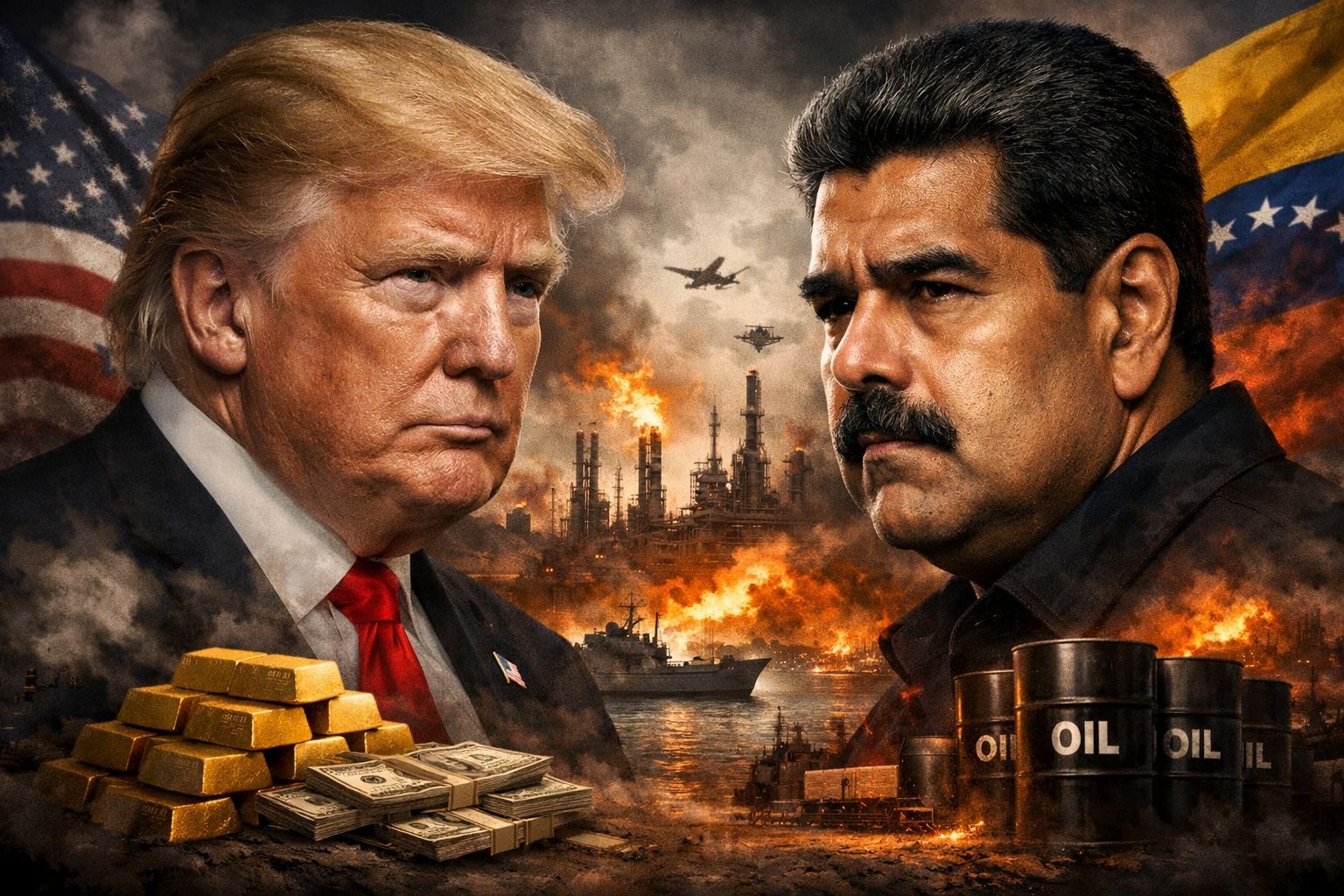
The Trump administration maintains that its approach represents strength after years of what it describes as American hesitation on the global stage. Officials argue that decisive action deters adversaries and reassures allies.
Critics counter that strength without clarity risks strategic overreach.
“What worries people isn’t just Venezuela,” said Gutiérrez. “It’s the pattern: dismissing questions, escalating rhetoric, and assuming the world will simply accept American decisions.”
As tensions continue to rise — and as speculation grows about other potential flashpoints, including renewed talk of Greenland — the administration faces increasing pressure to explain not just what it is doing, but why, at what cost, and for how long.
For now, the viral moment of two cabinet officials bristling at a straightforward question has become a symbol of a larger debate: whether the United States is entering a new era of assertive intervention, and whether its leaders are prepared to answer to the public about the consequences.