



In a historic turn of events, Alberta has officially initiated its path toward independence as Elections Alberta approved the collection of signatures for a referendum. This pivotal moment, occurring in early 2026, signals the potential unraveling of Canada, with Alberta and Quebec poised to redefine their futures in a fragmented nation.
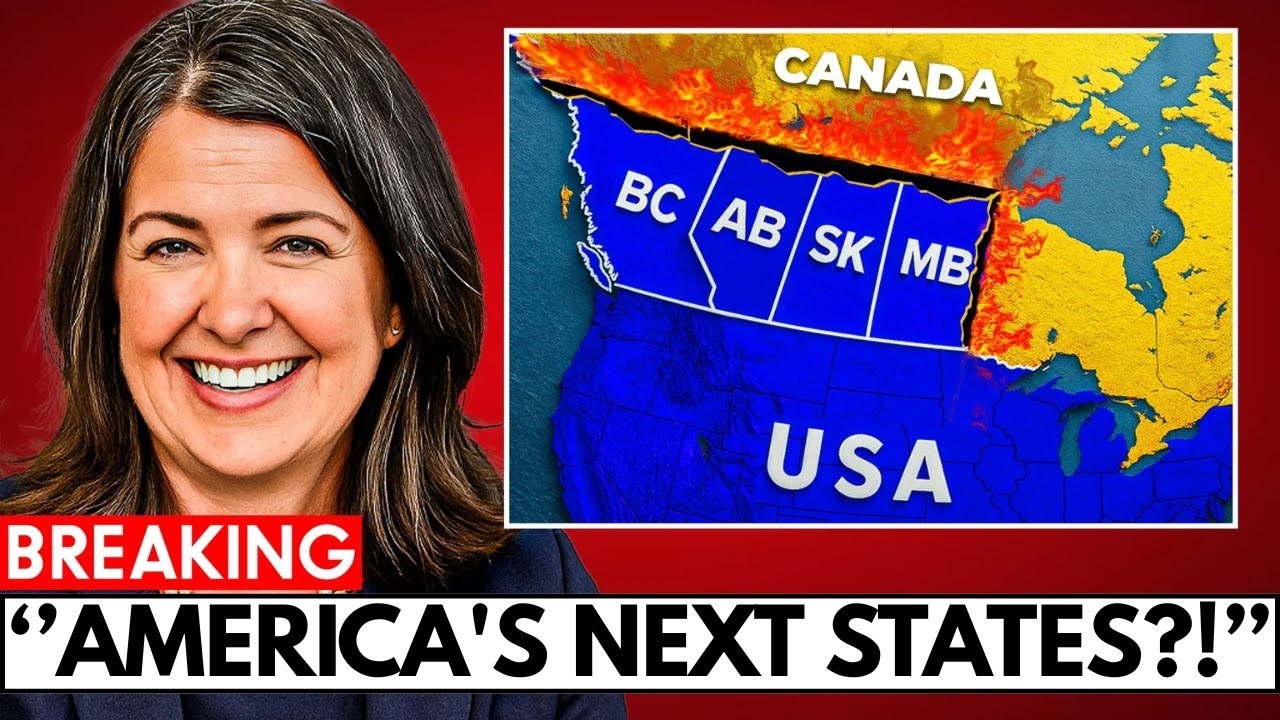
The atmosphere in Alberta is charged with anticipation as the Alberta Prosperity Project gears up to collect nearly 178,000 signatures required for a referendum on independence. This administrative breakthrough marks a significant shift from mere rhetoric to a tangible legal process, enabling citizens to voice their desire for self-determination.
As the first province to formally embark on this journey, Alberta’s move has sparked conversations about autonomy across the nation. The approval of the petition signifies a normalization of independence discussions, suggesting that the question of separation is no longer taboo but rather a procedural reality.
Residents express a growing dissatisfaction with federal governance, feeling that their contributions to the national economy are not reflected in local control. This sentiment is echoed in the bustling towns and cities of Alberta, where many feel stifled by Ottawa’s regulations and financial demands.

The shift in political sentiment is palpable, with many Albertans now viewing independence as a viable solution to their frustrations. The urgency of the situation is underscored by the realization that Alberta’s economic prowess has been overshadowed by federal policies that limit its potential.
Meanwhile, Quebec is also on the cusp of a significant political shift, with the upcoming elections likely to bring the separatist Parti Québécois back to power. This convergence of events signals a potential cascade of independence movements across Canada, as provinces reassess their relationships with the federal government.
As Alberta’s independence movement gains momentum, neighboring Saskatchewan is not remaining idle. The Saskatchewan Prosperity Project mirrors Alberta’s initiative, suggesting a regional alignment in the quest for autonomy. Town halls and meetings are being organized, indicating a growing appetite for change among its residents.
The implications of these developments are profound. As three provinces—Alberta, Saskatchewan, and Quebec—explore independence, the fabric of Canada faces unprecedented challenges. The normalization of secession as a legitimate option raises questions about the future of national unity and governance.
In British Columbia, a quieter but equally significant undercurrent is emerging. Legal disputes over property rights and land use are fostering a sense of uncertainty that could lead to a similar movement for independence, albeit through a more subdued approach.

As the countdown to Alberta’s signature collection begins, the question of whether Canada can maintain its unity looms larger than ever. The landscape of Canadian politics is shifting, and the once-unthinkable idea of a fragmented nation is now part of the conversation.
With the clock ticking toward May 2nd, when signatures must be submitted, the urgency of Alberta’s independence movement is palpable. This moment could redefine not just Alberta’s future but the entire trajectory of Canada as it grapples with the reality of its provinces seeking autonomy.
As the nation watches, the question remains: Can Canada adapt to this new reality, or will it be forced to confront the consequences of its fractured identity? The unfolding story of Alberta’s independence is just beginning, and its repercussions will be felt across the country for years to come.