


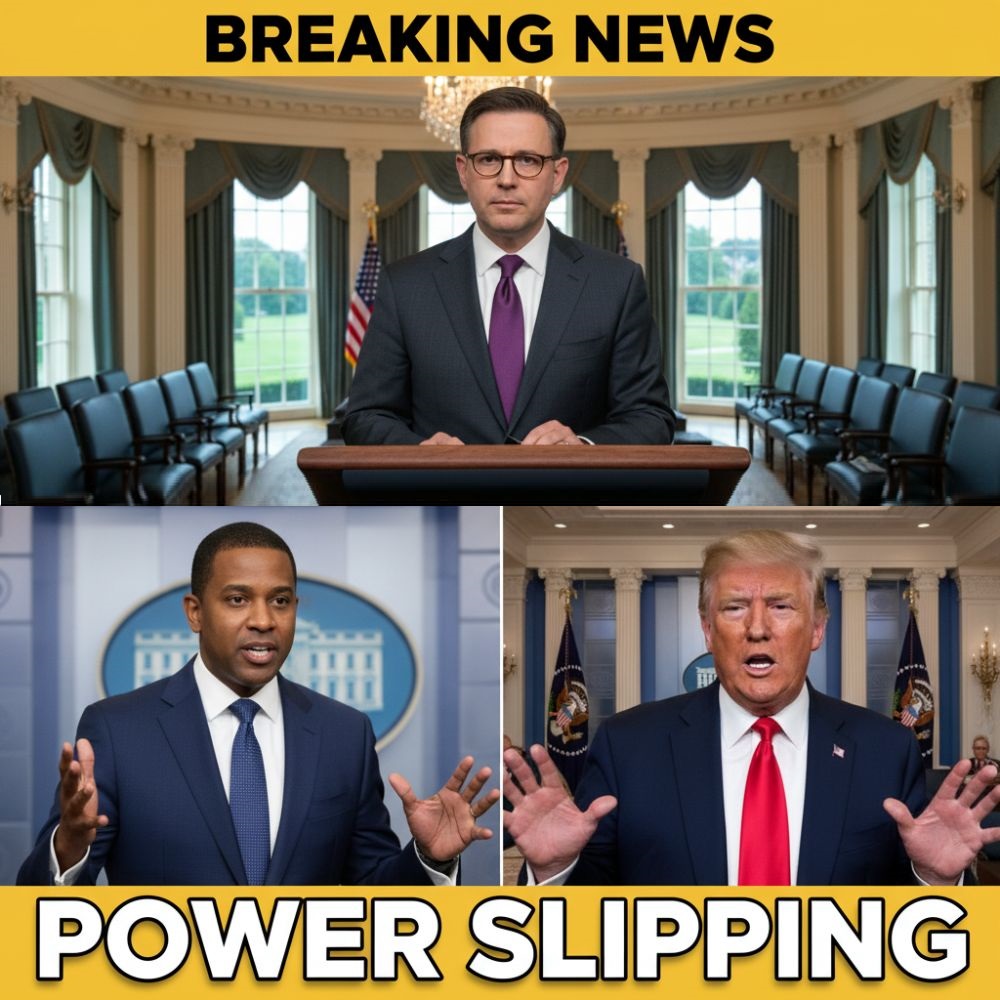
As Speaker Johnson’s Grip Weakens, Democrats Find Leverage in Procedure and Policy
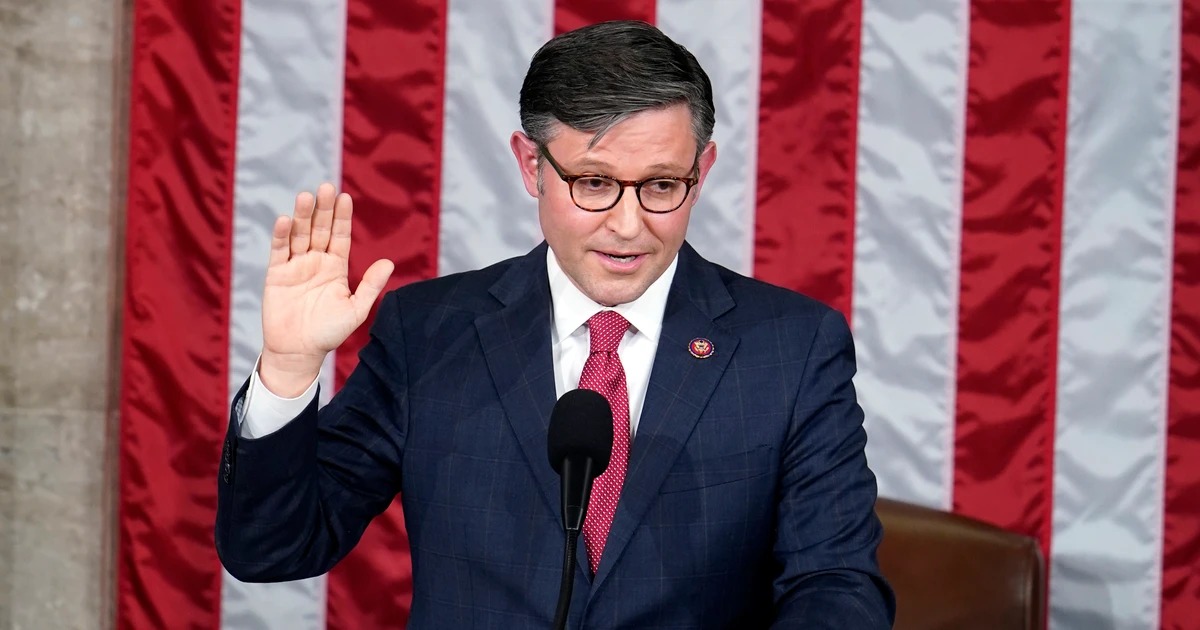
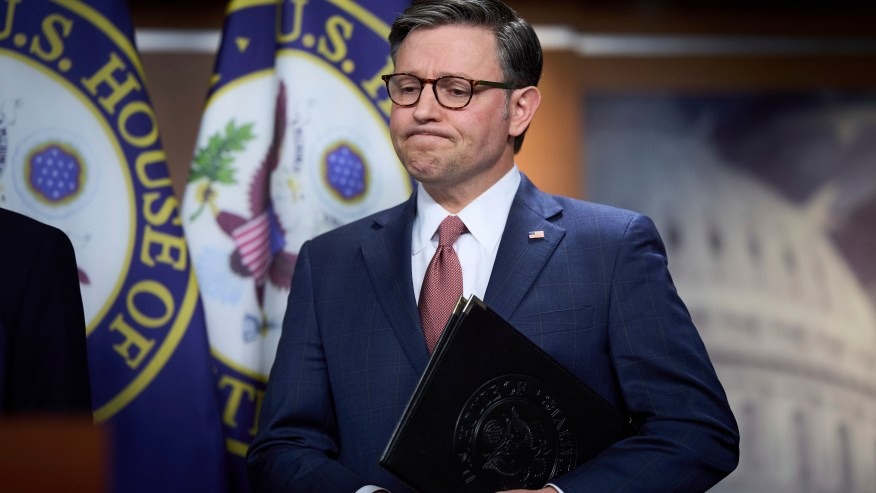
Washington — Speaker Mike Johnson’s hold on power has rarely looked more fragile. With Republicans clinging to one of the narrowest House majorities in modern history, a series of procedural defeats, looming special elections, and intensifying policy disputes have exposed the limits of his authority — and, by extension, the vulnerability of President Trump’s governing agenda.
The latest flashpoint came this week as House Democrats successfully advanced a discharge petition to force a vote on extending Affordable Care Act subsidies for three years. While the measure has not yet passed, its appearance on the House floor marked another high-profile instance of lawmakers bypassing the Speaker entirely — a rare but increasingly common maneuver in the current Congress.
For Johnson, the moment was emblematic of a broader pattern. Since he assumed the speakership in late 2023, seven discharge petitions have reached the 218-signature threshold needed to force consideration, according to NPR — matching the total number of such petitions over the previous four decades combined. Each one has underscored the same reality: the Speaker can no longer reliably control the legislative agenda of his own chamber.
A Majority Measured in Inches
Republicans entered this Congress with little margin for error, and that margin has continued to erode. A death, a resignation, and a looming special election in Texas have brought the House closer to parity than party leaders had anticipated, leaving Johnson with a majority so thin that a single defection can derail procedural votes.
Several Democratic strategists have described the situation bluntly on political podcasts and social platforms: the House is effectively operating as a coalition chamber, not a majority-ruled one. That shift has empowered rank-and-file lawmakers to exploit rules that allow legislation to advance without the Speaker’s consent — a tool historically used sparingly, but now deployed with strategic intent.
“It’s not just about policy,” one Democratic aide said in a recent interview on a popular progressive livestream. “It’s about demonstrating that the Speaker cannot govern.”
Health Care as a Political Fault Line
The Affordable Care Act subsidies at the center of the current dispute are set to expire without congressional action, a move that analysts warn could significantly raise premiums for millions of Americans. Independent policy groups estimate that roughly 20 million people currently rely on subsidized ACA plans, with average premium increases projected to exceed 100 percent if the subsidies lapse.
Health care advocates have amplified these concerns across social media, sharing personal stories of rising costs and coverage losses. Several Democratic lawmakers cited these accounts directly in floor speeches and online statements, framing the issue as both an economic and moral test.
Republicans, meanwhile, have argued that extending the subsidies would add to the deficit and further entrench what they view as a flawed health care framework. But the party’s reluctance to bring the issue to a vote has created a political opening — one Democrats have eagerly exploited.
By forcing a vote through a discharge petition, Democrats have placed Republicans in a difficult position: either oppose a measure that polls well with the public or allow it to advance against the Speaker’s wishes.
Foreign Policy Turbulence Adds to the Pressure
As Johnson has struggled to contain domestic disputes, foreign policy has emerged as another source of internal strain. Lawmakers exiting classified briefings on Venezuela this week expressed rare bipartisan unease, with several senators and representatives publicly questioning the administration’s strategy.
In statements posted to X, Senator Elizabeth Warren said the briefing raised “serious concerns” about transparency and oversight, while Senator Chris Murphy warned that the United States appeared to be drifting toward an open-ended intervention driven by energy interests rather than diplomatic consensus. Representative Jason Crow echoed those concerns, emphasizing the risks of unilateral action without allied support.
Though the Speaker does not set foreign policy, the public dissent has compounded the sense of disorder surrounding Republican leadership — particularly at a moment when party unity is already fraying.
Law Enforcement, Rhetoric, and a National Tragedy
That perception was further complicated by Johnson’s response to a fatal shooting involving Immigration and Customs Enforcement agents in Minneapolis. Video of the incident, widely circulated online, prompted outrage and renewed debate over enforcement tactics and accountability.
In comments to reporters, Johnson urged caution and emphasized the need for a full investigation, but also suggested the driver’s actions posed a threat to officers — remarks that drew swift criticism from civil rights advocates and progressive commentators.
The episode highlighted a broader challenge for Republican leaders: balancing strong rhetorical support for law enforcement with growing public scrutiny of federal policing practices. For Democrats, the moment reinforced their argument that Republican leadership is out of step with a public increasingly concerned about accountability and restraint.
A Speaker Under Siege
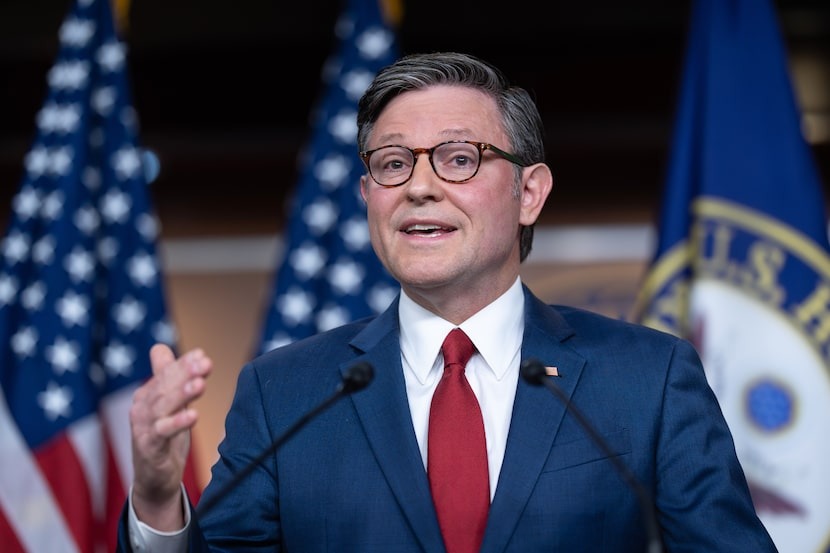
Taken together, the developments of recent weeks paint a picture of a speakership under sustained pressure. Johnson remains Speaker in name, but his ability to dictate outcomes has been sharply curtailed by math, procedure, and internal divisions.
Political historians note that speakers facing similar constraints have often struggled to maintain authority, particularly when the minority party succeeds in framing procedural wins as evidence of leadership failure. In this case, Democrats have leaned heavily into that narrative, portraying Johnson as a figurehead presiding over a fractured coalition.
For President Trump, the implications are significant. A weakened Speaker limits the administration’s ability to advance legislation, defend controversial policies, or swiftly respond to crises. In practical terms, it raises the prospect of a presidency increasingly defined by executive action, judicial battles, and congressional gridlock.
The Road Ahead
With special elections looming and several competitive House races already drawing national attention, control of the chamber remains an open question. Democrats believe they can continue to chip away at the Republican majority before the midterms, while Republicans insist their coalition will hold.
What is clear, however, is that the balance of power in the House has shifted — not through a single election, but through a steady accumulation of procedural setbacks and political miscalculations.
As one veteran congressional observer wrote recently on Substack, “This is what governing on the edge looks like: every rule becomes a weapon, every vote a potential collapse.”
For Speaker Mike Johnson, that edge is growing sharper by the day.