


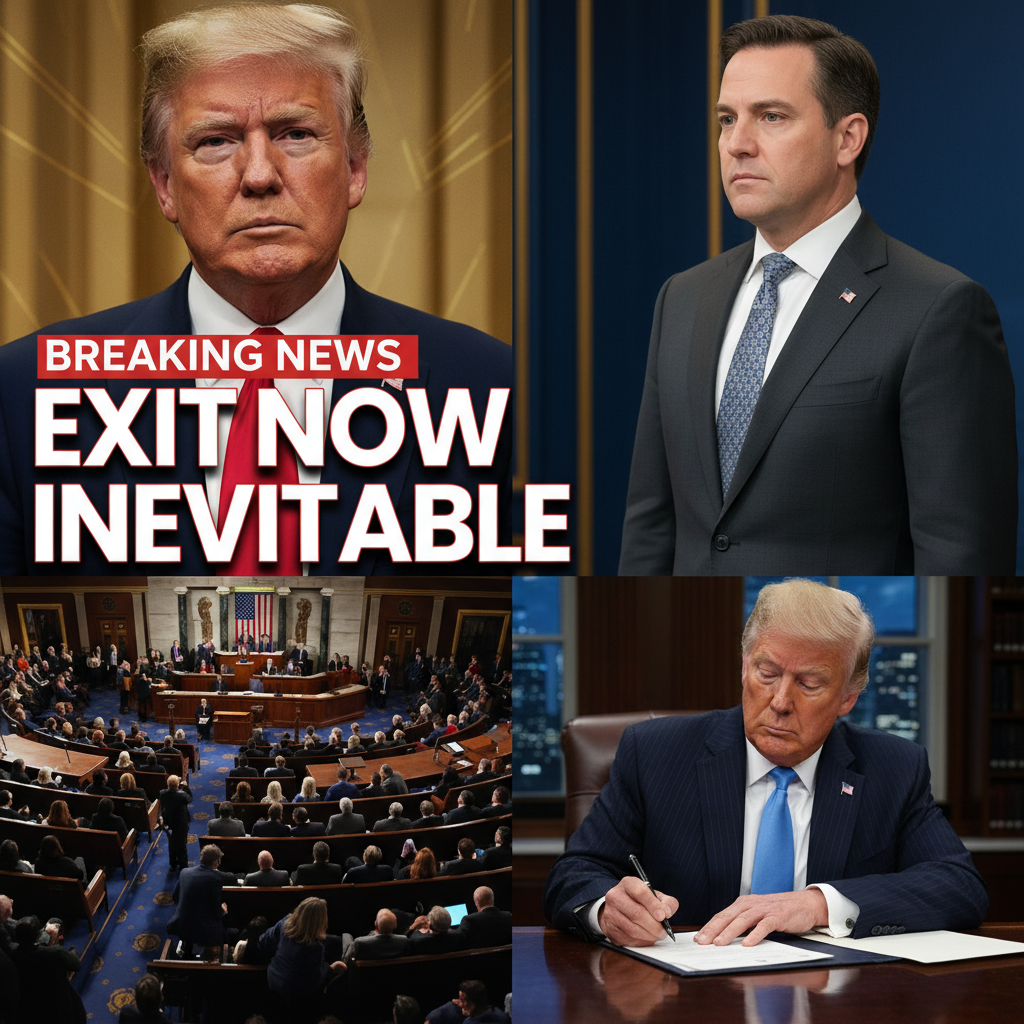
Washington D.C. is undergoing its most volatile period in contemporary history. No longer confined to social media skirmishes or noisy campaign rallies, Donald Trump is facing an invisible yet ironclad “verdict” from the final bastion of democracy: the Judiciary. Judges across the United States are simultaneously signaling a shocking message: Trump’s exit is no longer a question of “if,” but “when”.
In the political world, judges are typically known for their neutrality and silence. However, that boundary has been shattered. An unprecedented wave of resistance is sweeping through the courtrooms. Judges are no longer using dry legal jargon; they are directly labeling Trump’s decrees as “unconstitutional,” “unlawful,” and an “existential threat to democracy”.
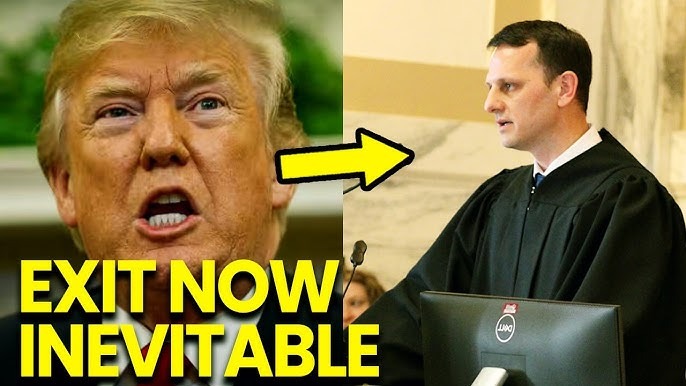
The most shocking event was the resignation of veteran Federal Judge Mark Wolf, who stepped down to speak freely. In his poignant resignation statement, Wolf did not hesitate to name Trump as the one “weaponizing law enforcement” and “dismantling anti-corruption offices”. When a judge is willing to sacrifice lifelong power and status to warn the nation, it is a sign that the system is on “red alert”.
Even at the Supreme Court—where Trump once held high hopes for his conservative appointees—cracks have become glaringly visible. Justice Sonia Sotomayor issued a blistering dissent, accusing the majority of turning a blind eye to Trump’s blatant constitutional violations.
Sotomayor’s message was not just for her colleagues; it was a clarion call to the world: the President’s orders are trampling on the law and must be stopped immediately. The fact that judges from both conservative and liberal wings are beginning to question the legitimacy of executive orders suggests that Trump has lost his standing in the “court of courts”.
Tensions reached a fever pitch when Trump fired back on Truth Social, accusing Democratic lawmakers of “treason” for urging soldiers to ignore unlawful orders. Trump even used chilling language: “Seditious behavior punishable by death”.
This threat sent shockwaves through the legislature. House Speaker Mike Johnson, though a close ally, had to move to de-escalate the situation by explaining that the President was merely “defining the crime”. To the judiciary, however, this served as evidence that Trump is drifting away from constitutional norms toward autocracy.
A President’s power lies in the ability to implement policy. Today, however, Trump is “besieged” by a flurry of injunctions from various courts. From immigration policies and birthright citizenship orders to the freezing of blue-state budgets—all have been halted by judges.
When a President cannot issue effective orders, he becomes an empty symbol. The fact that even conservative judges have begun to turn away indicates that Trump has crossed a threshold that even the most staunch supporters of executive power find unacceptable. Trump is falling into a state of legal “neutralization”.
While judges do not have the power to directly remove a President from office, their rulings and public declarations are creating massive political pressure. This provides the leverage for Congress to consider the 25th Amendment or new impeachment proceedings.
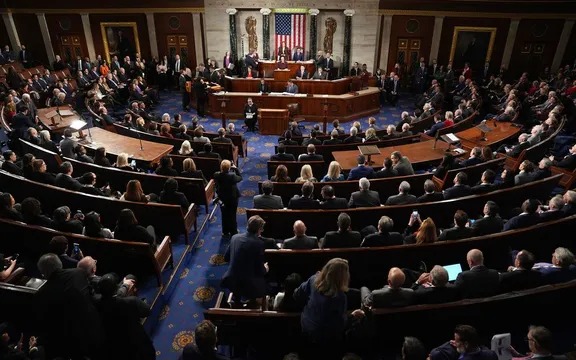
America’s “checks and balances” system is working at full capacity to defend itself. Trump’s exit is being shaped not by a coup, but by the accumulation of thousands of pages of legal filings and the steadfastness of those who uphold justice.
This confrontation is not just about Donald Trump as an individual; it is a test of the durability of the U.S. Constitution. When the “Black Robes” stand up in unison, it is democracy asserting itself: “No one, not even the President, is above the law”.
The shadows are deepening over Trump’s political career, and the light from the courtrooms is pointing toward a single exit: the retreat of a power that is no longer compatible with the Constitution.