


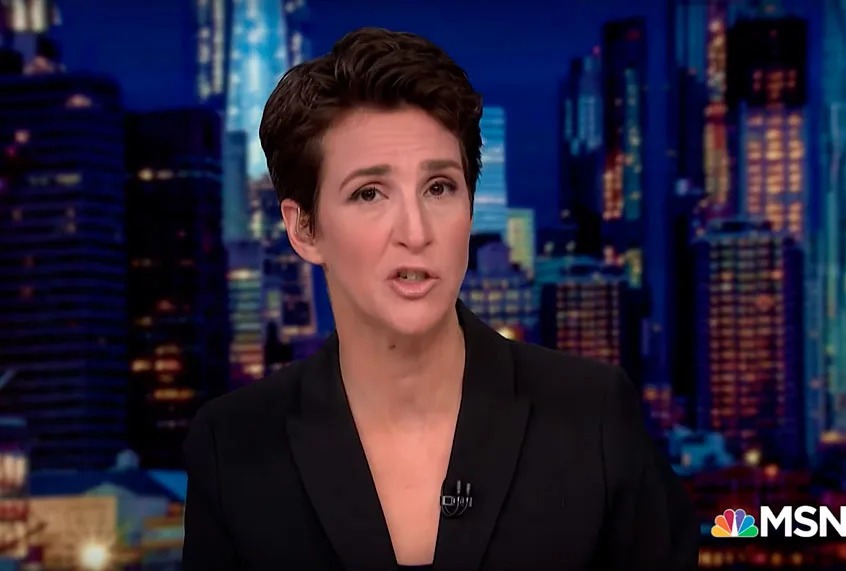
Rachel Maddow, the veteran MS Now host, opened her special segment on January 22, 2026, with a measured yet urgent tone, gathering her colleagues at the network’s iconic long desk for a collective breakdown of former Special Counsel Jack Smith’s testimony before Congress.
The panel, including Nicolle Wallace, Chris Hayes, Ari Melber, and Lawrence O’Donnell, shared pointed reactions to Smith’s defense of his probes into Donald Trump’s actions, emphasizing the gravity of the day’s events on Capitol Hill.
This gathering came hours after Smith’s appearance before the House Judiciary Committee, where he warned of threats to the rule of law in America.
Maddow’s hosting style shone through as she seamlessly wove historical context into the discussion, starting with a narrative recap of Smith’s appointment in November 2022 by Attorney General Merrick Garland to oversee investigations into Trump’s handling of classified documents and efforts to overturn the 2020 election.
She engaged her colleagues by posing targeted questions, such as asking Melber about the legal implications of Smith’s statements on Trump’s role in January 6, fostering a collaborative yet incisive dialogue.
Her delivery was calm and analytical, avoiding overt emotion while underscoring the democratic stakes, a hallmark of her approach that draws viewers into complex stories like a storyteller.
The “what” of the segment centered on Smith’s testimony, where he asserted that Trump “willfully broke the very laws that he took an oath to uphold,” directly linking the president to the January 6, 2021, Capitol attack.
Panelists reacted with a mix of admiration for Smith’s composure and concern over Republican attempts to undermine his work, with Hayes noting how Republicans focused on technicalities rather than facts.
O’Donnell highlighted Smith’s warning that the rule of law “is not self-executing” and requires collective commitment, a point that resonated throughout the discussion.
The “when” ties directly to January 22, 2026, the date of Smith’s public testimony, which followed a closed-door deposition in December 2025 and came amid ongoing Republican-led scrutiny of his investigations after Trump’s return to the White House.
This timing reflects the political shift post-2024 election, where Smith dismissed the cases without prejudice, allowing potential refiling after Trump’s term, but now facing congressional oversight.
Maddow framed this as a pivotal moment, explaining how the hearing allowed Smith to argue his case publicly for the first time, something denied in court due to the cases’ dismissal.
The “where” was the Rayburn House Office Building on Capitol Hill, site of the House Judiciary Committee hearing chaired by Rep. Jim Jordan (R-Ohio), a setting laden with partisan tension as Republicans grilled Smith for over five hours.
Visuals in the segment included split-screen clips of the hearing room, showing Smith seated at a witness table flanked by lawmakers, with subtitles capturing key quotes like his assertion that January 6 “does not happen without President Trump.”
Audio elements featured Smith’s steady, professional tone contrasting with heated questions from Republicans, overlaid with MS Now’s somber background music to heighten the drama.
The “who” in the testimony spotlighted Smith, a career prosecutor with experience at The Hague, defending his decisions against accusations of bias from Republicans like Jordan, while Democrats such as Rep. Jamie Raskin (D-Md.) praised his forthrightness.
In the MS Now panel, Maddow moderated, with Wallace drawing parallels to past White House scandals, Melber breaking down legal nuances, Hayes analyzing media narratives, and O’Donnell critiquing Republican tactics.
Trump loomed large as the central figure, with Smith testifying that evidence showed the president knew his election fraud claims were false and exploited the Capitol violence.
The “why” underscores the hearing’s purpose: Republicans sought to probe Smith’s investigations as part of a broader effort to scrutinize the Justice Department under Biden, viewing his probes as politically motivated.
Smith countered by emphasizing that charges were based solely on evidence of Trump’s “unprecedented criminal scheme” to block the peaceful transfer of power, warning that eroding trust in institutions poses “catastrophic” risks to democracy. Maddow’s panel delved into this, with colleagues agreeing the testimony exposed flaws in Republican arguments, potentially bolstering public understanding of the threats Smith described.
The “how” of Smith’s delivery was methodical and unflinching; he refused to engage with Trump’s personal attacks, such as a Truth Social post calling him a “deranged animal,” simply stating he had “nothing to add.” In the segment, Maddow highlighted this restraint as exemplary, contrasting it with partisan theatrics, while her colleagues analyzed how Republicans failed to challenge the facts, instead fixating on procedural issues like Smith’s oath of office.
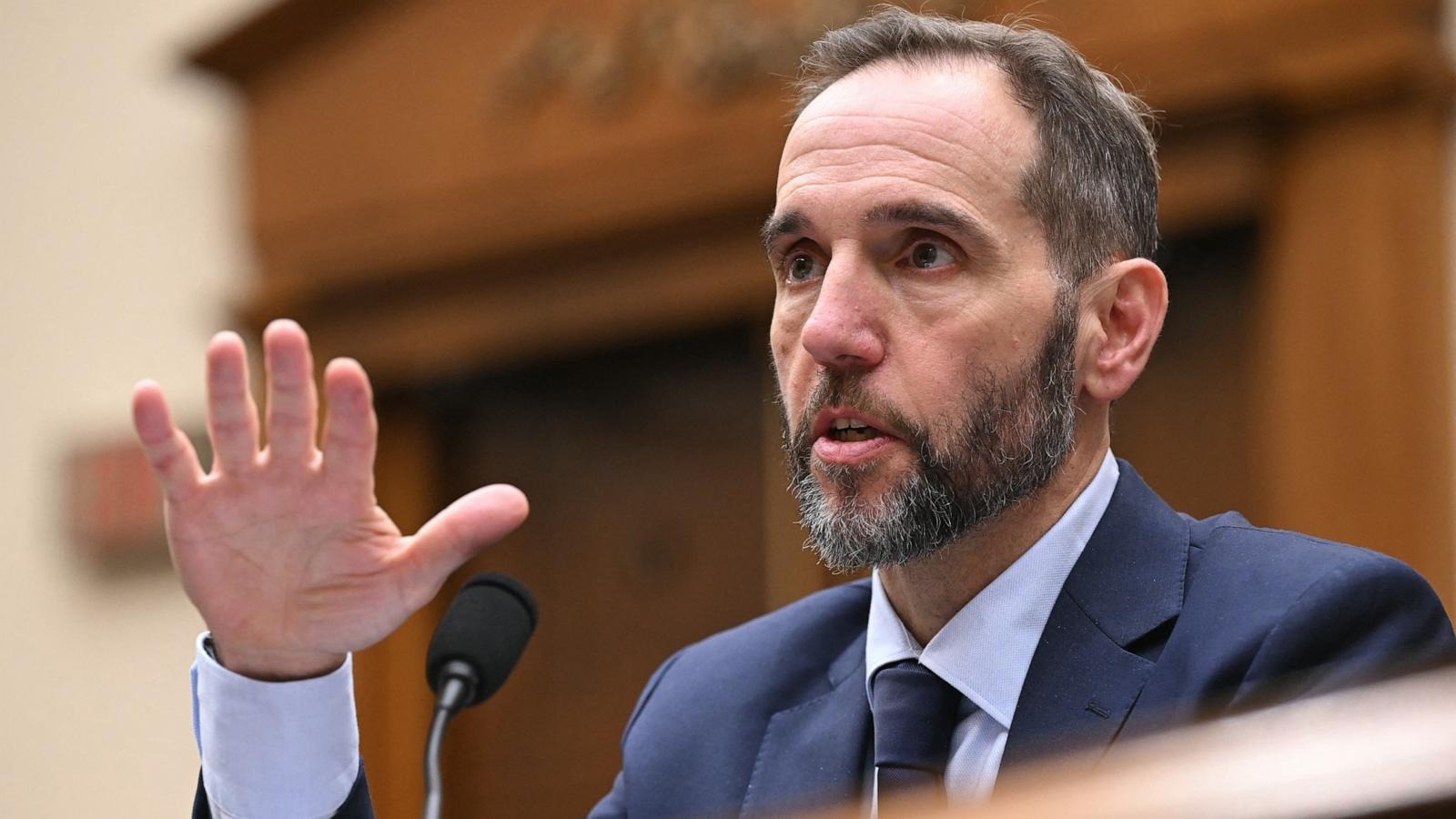
Subtitles in the video reinforced key exchanges, with frames showing Smith’s composed demeanor amid intense questioning.
To expand on the historical context, Jack Smith’s role traces back to the aftermath of the 2020 election, when Trump promoted baseless fraud claims, leading to the January 6 riot that injured over 140 officers and disrupted certification of Joe Biden’s win.
Appointed to ensure independence from Biden’s DOJ, Smith indicted Trump in 2023 on charges including conspiracy to defraud the U.S. and obstruct an official proceeding, cases that navigated Supreme Court rulings on presidential immunity.
Maddow, in her signature style, connected these dots, reminding viewers of the probes’ origins in Trump’s refusal to concede, a narrative she has covered extensively since 2016.
The classified documents case, another focus of Smith’s testimony, stemmed from FBI searches at Mar-a-Lago in 2022, uncovering sensitive materials Trump allegedly mishandled, leading to 40 felony counts dismissed in 2025 after a judge ruled Smith’s appointment unconstitutional—a decision later appealed but mooted by the election.
During the hearing, Smith stood by his team’s findings of “proof beyond a reasonable doubt,” emphasizing Trump’s actions as deliberate violations. Panelist Melber, a legal expert, dissected this, noting how Smith’s testimony could influence future accountability efforts post-Trump’s term.
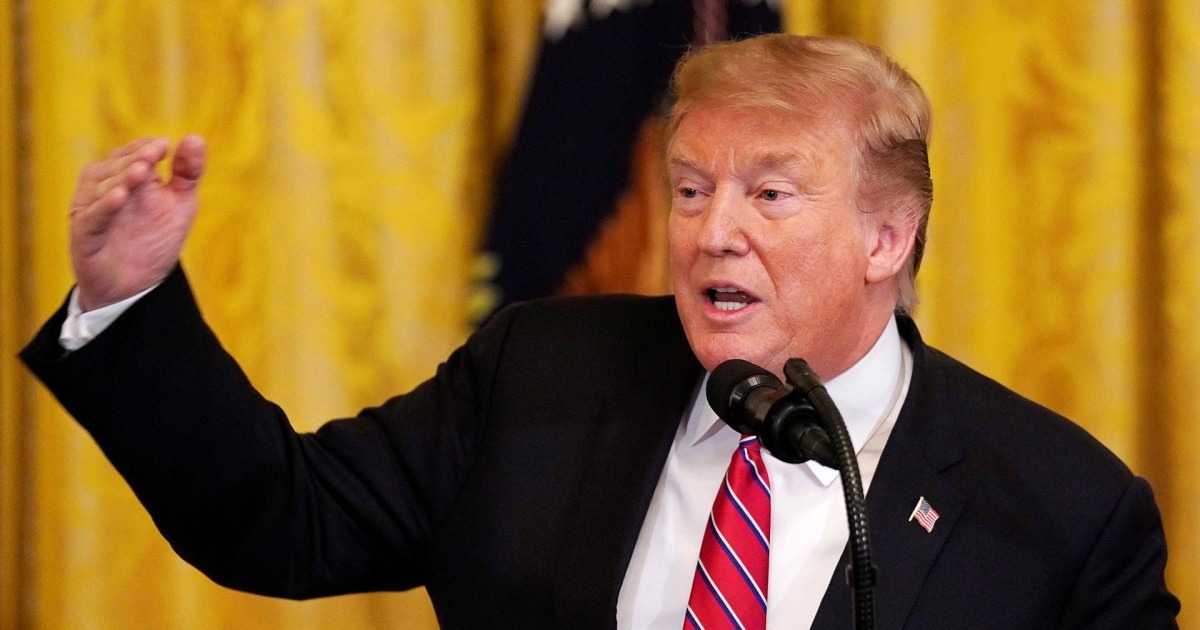
Maddow’s engagement with colleagues was dynamic; she transitioned smoothly between speakers, such as prompting Wallace on the political fallout, where Wallace argued the hearing “thrilled and frankly stunned” Democrats by allowing Smith to shine.
This roundtable format amplified diverse perspectives, with Hayes critiquing media coverage that amplified Trump’s narratives, and O’Donnell lambasting Republicans as “a joke” for their ineffective grilling. Her tone remained objective, focusing on facts while subtly conveying urgency about democratic erosion.
Visually, the MS Nowsegment featured a polished studio setup with the long desk symbolizing network unity, interspersed with hearing footage showing lawmakers like Rep. Joe Neguse (D-Colo.) reading Trump’s critical posts aloud. Audio included clips of Smith’s voice, firm and unyielding, with subtitles for clarity, and background scores that built tension during recaps of January 6 violence.
Maddow’s delivery method—using timelines and analogies—helped demystify complex legal points, making the segment accessible yet thorough.
Broadening the lens, the testimony fits into a pattern of post-election reckonings; after Trump’s 2024 victory, his pledges for “retribution” against prosecutors like Smith materialized in calls for investigations, leading to this congressional spotlight. Smith anticipated potential charges against himself from Trump’s DOJ, a stark reminder of politicized justice systems he witnessed abroad.
The panel expressed concern that such hearings could deter future independent probes, with Maddow tying it to broader assaults on institutions since Trump’s first term.
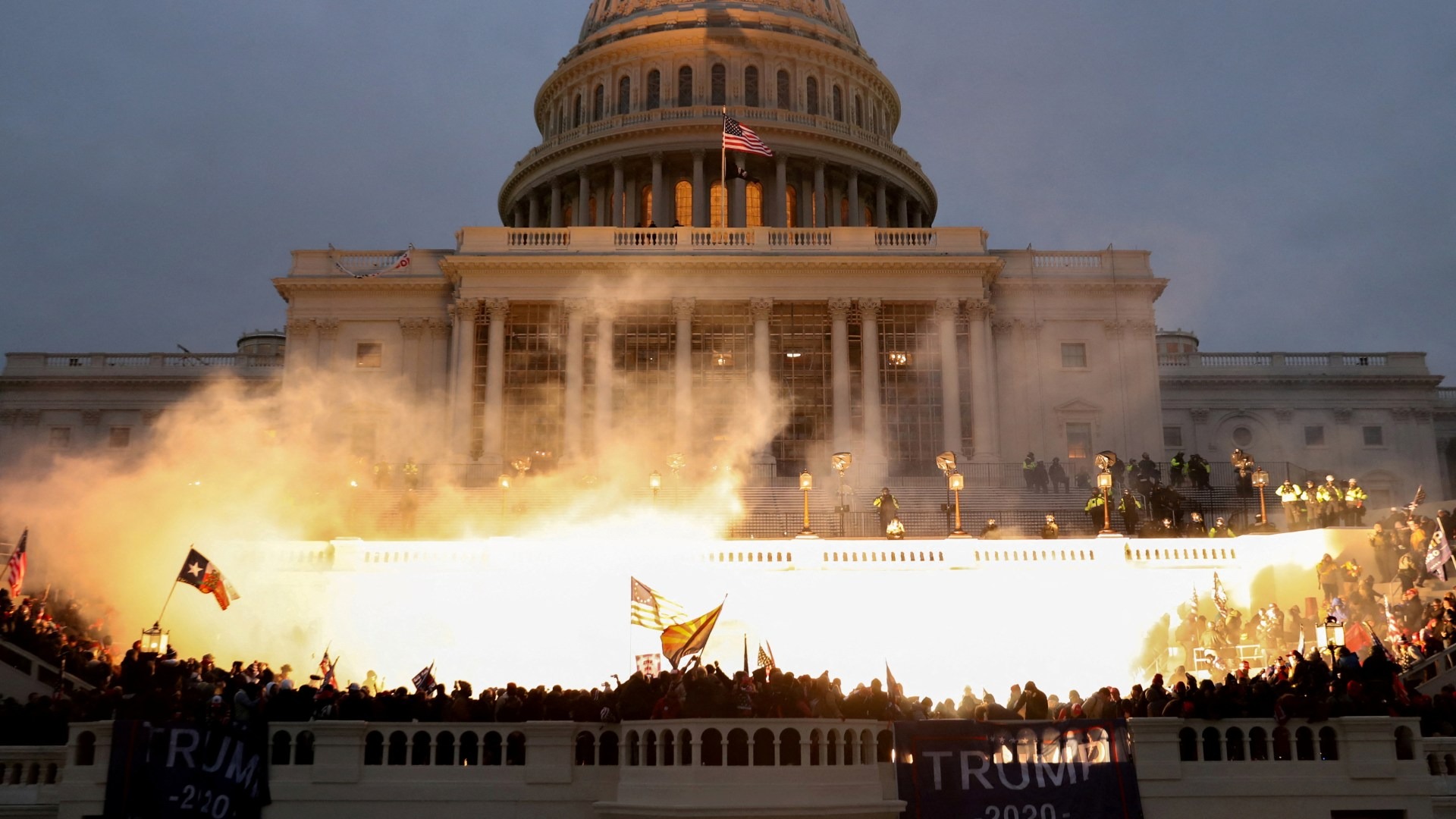
Republicans’ strategy during the hearing, as analyzed by the panel, involved questioning Smith’s authority and decisions, but Smith rebutted by affirming he “followed the facts and the law,” debunking claims of bias. Melber pointed out the irony: while Republicans aimed to trap Smith, his responses strengthened the case narrative never fully tried in court.
This exchange underscored the hearing’s dual role as accountability theater and historical record.
Democrats on the committee, like Rep. Eric Swalwell (D-Calif.), used the platform to highlight Republican inconsistencies, a point echoed in the MS Now discussion where Hayes suggested the hearing inadvertently rewrote January 6 history in favor of facts.
Maddow wrapped the segment by reflecting on Smith’s international experience, quoting his fear that Americans take the rule of law for granted, a sobering note that framed the panel’s consensus on the testimony’s importance. Overall, the discussion portrayed Smith’s appearance as a vindication, potentially influencing public discourse on accountability.
In conclusion, the MS Now segment not only recapped a landmark hearing but also exemplified Maddow’s adept hosting, blending expertise and narrative to illuminate threats to democracy amid ongoing political divides. As reactions continue to unfold, Smith’s words serve as a cautionary tale, reinforced by the panel’s thoughtful analysis.
This event, rooted in years of legal and political turmoil, highlights the enduring tension between power and justice in American governance.