



California officials privately acknowledged in spring 2025 that the state’s fuel supply is operating with almost zero margin for error—the kind of situation where a routine mechanical failure can suddenly become a statewide emergency.
At a California Energy Commission workshop in March 2025, staff presentations showed statewide gasoline inventories hovering at just 14 to 16 days of supply. That’s not a comfortable buffer—it’s a warning light. Industry standards consider supply below 15 days a zone where price volatility accelerates, and below 13 days is where shortages start to become plausible.
That alarming inventory reality collided with another problem: refineries across the state were entering planned maintenance and operating constraints at the same time. Chevron’s Richmond refinery began turnaround work in February. Marathon’s Martinez renewable diesel facility continued running below its designed capacity. And PBF Energy’s Martinez refinery remained constrained after safety reviews triggered by a February 2025 fire.
The result: at various points during the quarter, more than 20% of California’s refining capacity was unavailable.
Officials warned that California no longer has enough spare capacity to absorb an unplanned outage. In blunt internal terms: one major shutdown could push the system past emergency thresholds almost immediately. A refinery outage above 100,000 barrels per day could drop supply below “emergency” levels fast—and California consumes about 1.6 million barrels of gasoline per day, meaning one large refinery can represent 6% to 10% of daily supply disappearing overnight.
And here’s the part that turns this from “tight” to terrifying: replacement supply can’t arrive in time. Imports by ship typically require 3 to 4 weeks. Even if fuel is available elsewhere, California’s ports and terminals have limits. Existing terminals can unload and process only about 60,000 to 80,000 barrels per day per berth—often far below what a major refinery produces. So if one big facility goes down, the state can’t simply “buy its way out” with quick shipments.
Officials reportedly repeated a hard warning during a closed-door April assembly transportation committee session: California is now one significant outage away from market disruption. The language echoed memories of the 2015 ExxonMobil Torrance explosion, which removed about 20% of Southern California gasoline supply and helped push prices more than $1 per gallon higher within weeks.
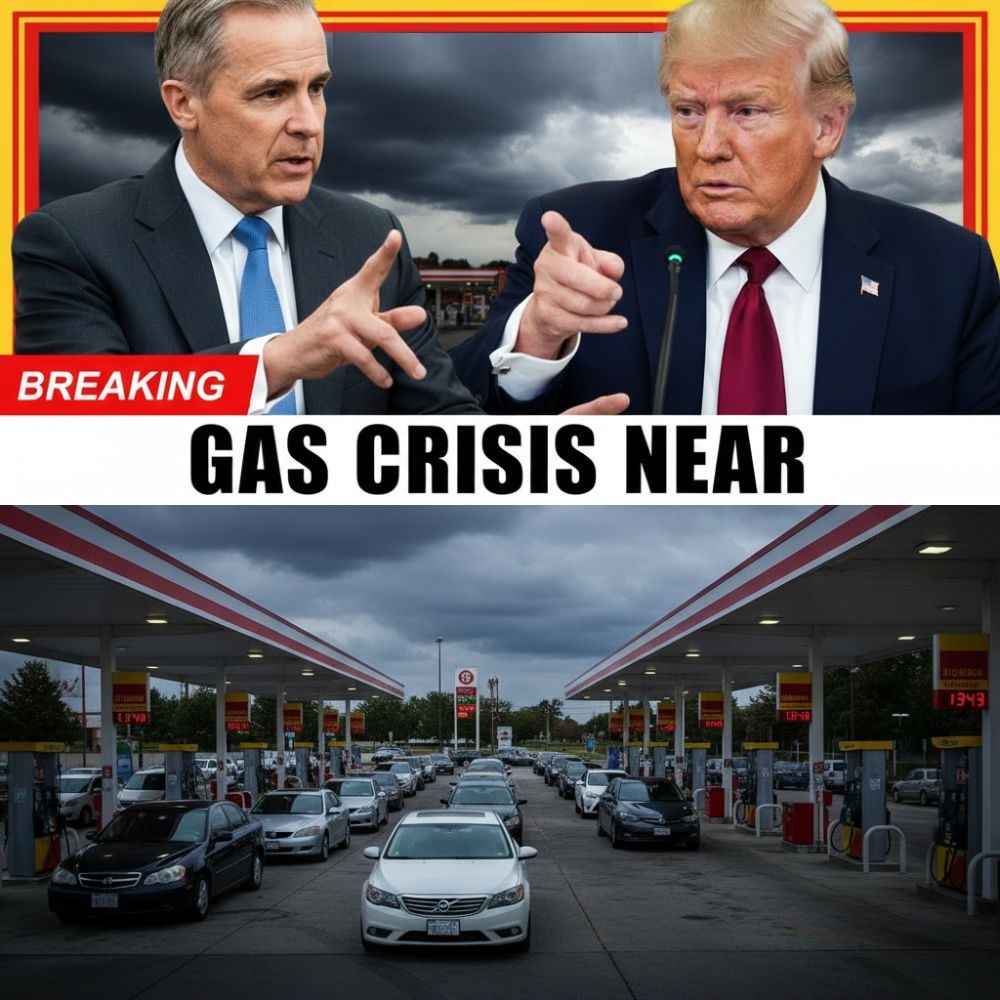
The danger became painfully concrete after the February 2025 fire at PBF’s Martinez refinery, which removed over 150,000 barrels per day for weeks. Wholesale gasoline prices surged—42 cents per gallon in Northern California within days, and 27 cents in Southern California—forcing emergency supply shipments just to keep the market from spiraling.
Meanwhile, California’s fuel “safety net” has been shrinking for years. Since 2020, the state has lost more than 300,000 barrels per day of refining capacity due to closures and conversions, including the Marathon Martinez conversion, the Phillips 66 Rodeo conversion, and additional closures scheduled through early 2026. Every reduction tightens the system further.
Internal briefing documents reportedly modeled what happens if a single large refinery shuts down during summer driving season: inventories could fall below 12 days within two weeks—a level that triggers emergency coordination under California fuel contingency protocols. Those protocols prioritize fuel for emergency services, utilities, and essential transportation, but they can’t magically create supply.
And the “Plan B” is failing, too. The state’s contingency framework was designed for short-term disruptions and assumed that when one refinery goes down, another can compensate. Officials now admit that assumption no longer holds. California is increasingly dependent on a narrow set of facilities—seven refineries make most of the state’s gasoline, split between the Bay Area and Southern California. Losing any one creates a deficit that can’t be fully offset, especially because transfers between regions are constrained by pipeline capacity and product compatibility.
The most brutal statistic may be this: during peak demand, refineries are operating above 90% utilization, compared with a national average around 82% to 86%. High utilization sounds efficient—until you realize it means no buffer. Add overlapping maintenance schedules—now colliding due to labor shortages, supply chain delays, and extended safety reviews—and California’s fuel system is effectively running at its limit.
By summer modeling in July 2025, staff were stress-testing prolonged outages, not short disruptions. In one scenario, a large refinery staying offline for more than 30 days pushed inventories below 11 days within three weeks, with rural supply gaps appearing first—and price spikes projected to exceed previous crisis levels.
The documents didn’t predict one specific failure. They described something worse: a condition. California’s fuel supply is now calibrated so tightly that disruption risk isn’t exceptional anymore—it’s built in.