



In a recent segment on her MSNBC show, Rachel Maddow highlighted the growing pushback against President Donald Trump’s ambitious plans for a nationwide network of immigration detention facilities.
Broadcast on February 3, 2026, the episode underscored how local communities are actively thwarting efforts by the Department of Homeland Security (DHS) under Secretary Kristi Noem to establish these “processing facilities” for tens of thousands of immigrants.
Maddow’s presentation, known for its deep analytical style, wove together current events with historical parallels, urging viewers to recognize the power of grassroots activism in halting what she framed as potential human rights concerns.
Trump’s vision, outlined during his 2024 campaign and implemented in his second term, aims to expand detention capacity significantly, drawing on advisors like border czar Tom Homan, who has ties to private prison companies such as GEO Group.
Homan, a former ICE director, reportedly earned consulting fees from GEO Group before rejoining the administration, raising questions about conflicts of interest in immigration enforcement.
This expansion echoes promises of the largest deportation operation in U.S. history, but it has collided with widespread local opposition.

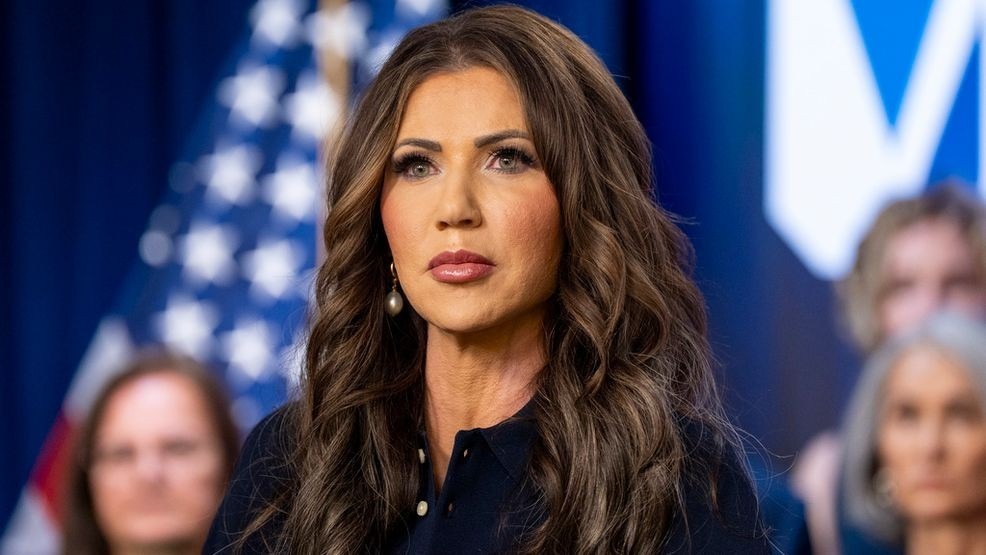
Kristi Noem, appointed DHS Secretary in 2025 as South Dakota’s former governor, oversees these initiatives, emphasizing border security and rule of law restoration in her first-year message.
Her leadership has faced scrutiny, including calls for impeachment over handling of deportation operations and winter storm responses.
Maddow’s urgent tone emphasized how Noem’s DHS struggles to secure sites amid permit revocations and public outcry.
One key example Maddow detailed involves Canadian billionaire Jimmy Pattison, whose company backed out of selling a Virginia warehouse to ICE following protests in Vancouver and local hearings in Hanover County.
The January 2026 deal cancellation came after residents voiced concerns at public meetings, highlighting fears of community disruption and humanitarian issues.
This resistance mirrors broader trends, where international scrutiny pressured companies to withdraw from ICE-related transactions.
In Surprise, Arizona, a petition gathered over 2,300 signatures against DHS’s $70 million purchase of a 418,000-square-foot warehouse for a 1,500-bed facility.
Local officials expressed surprise at the lack of notification, noting federal projects often bypass municipal regulations.
Maddow used this to illustrate “people power,” contrasting it with passive acceptance during WWII Japanese American internment camps.
Those camps, authorized by President Franklin D. Roosevelt in 1942, detained over 120,000 people without due process, a dark chapter Maddow invoked to warn against repetition.
Her analytical delivery broke down how today’s protests, unlike in 1942, involve mass turnouts and legal challenges, empowering communities to reject facilities.
Tom Homan’s role adds complexity, as his private sector ties to firms profiting from detention contracts suggest financial motivations behind policy pushes.
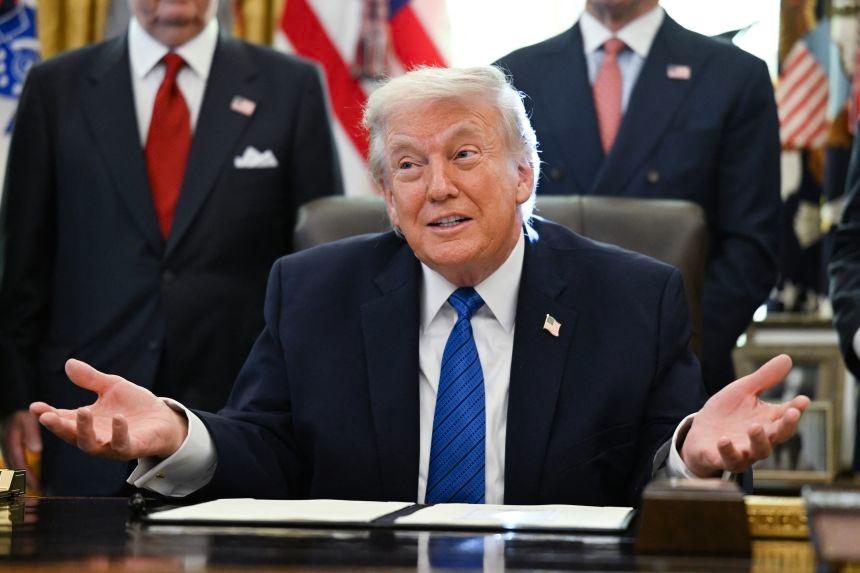
Reports indicate Homan earned at least $5,000 from GEO Group, part of a pattern where administration officials have links to the expanding private prison industry.
Maddow critiqued this as a “cash grab,” noting private operators like GEO and CoreCivic saw stock surges post-Trump’s reelection.
Nationwide, towns from New Jersey to California are refusing ICE installations, with Maddow reporting an expanding list of communities standing firm.
In Roxbury, New Jersey, residents loudly opposed a proposed camp at a town hall, drawing parallels to historical atrocities like Nazi concentration camps or Soviet gulags.
Maddow’s reference to “The Gulag Archipelago” underscored the segment’s grave tone, blending journalism with calls for vigilance.
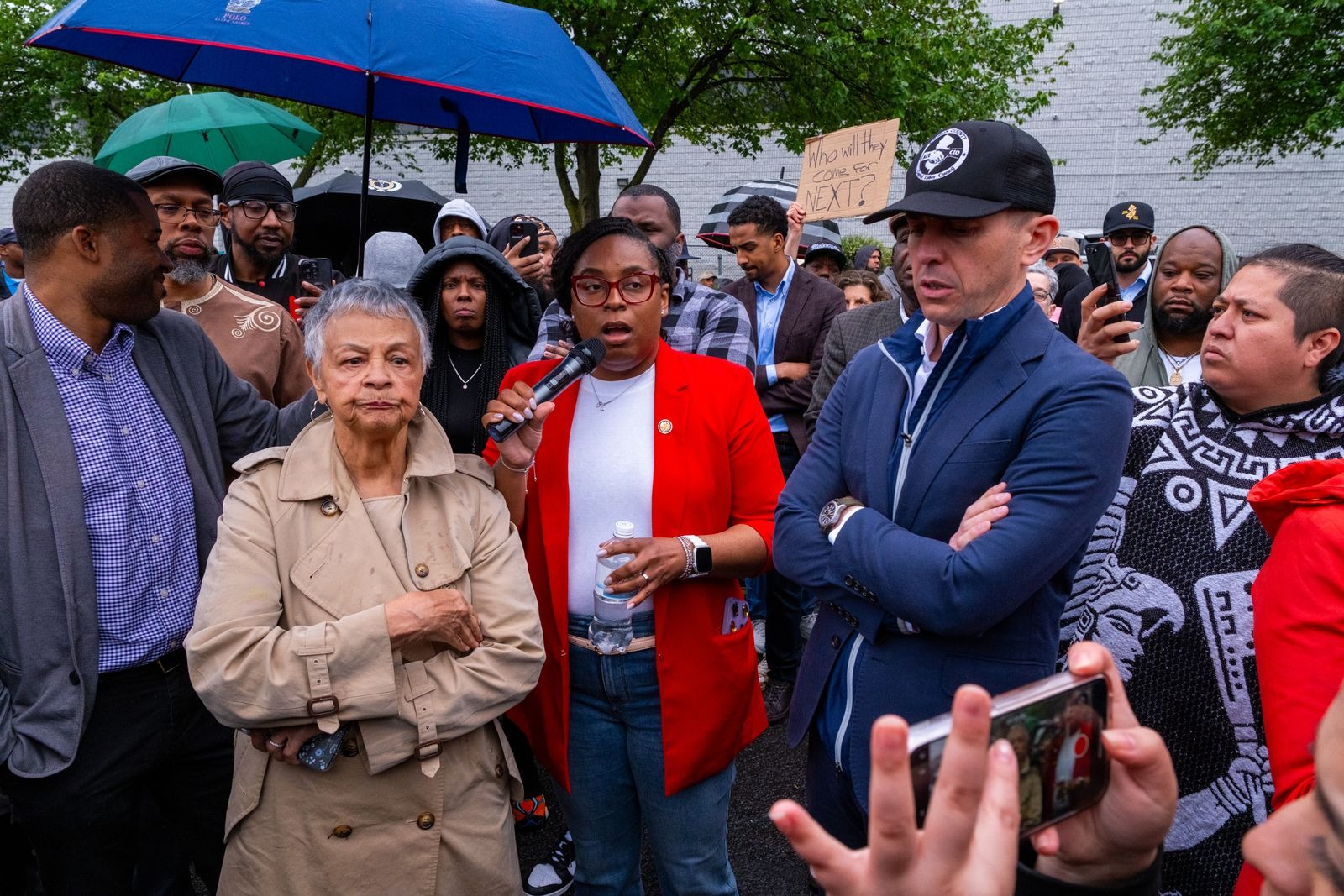
This resistance has political ramifications, contributing to Trump’s retreating stance on aggressive anti-immigrant tactics amid backlash from businesses, clergy, and even Republicans.
Maddow’s empowering narrative suggests democracy’s forces are imposing limits, turning local actions into a national bulwark.
As protests mount, the episode leaves viewers pondering: Will community defiance dismantle Trump’s detention dreams, or escalate tensions further?
The ongoing saga raises profound questions about America’s immigration future and the role of citizen activism in shaping policy.
In her signature style, Maddow not only reports the facts but dissects their implications, fostering informed public discourse.
This moment could redefine how the nation addresses migration, echoing historical lessons while forging new paths of resistance.