


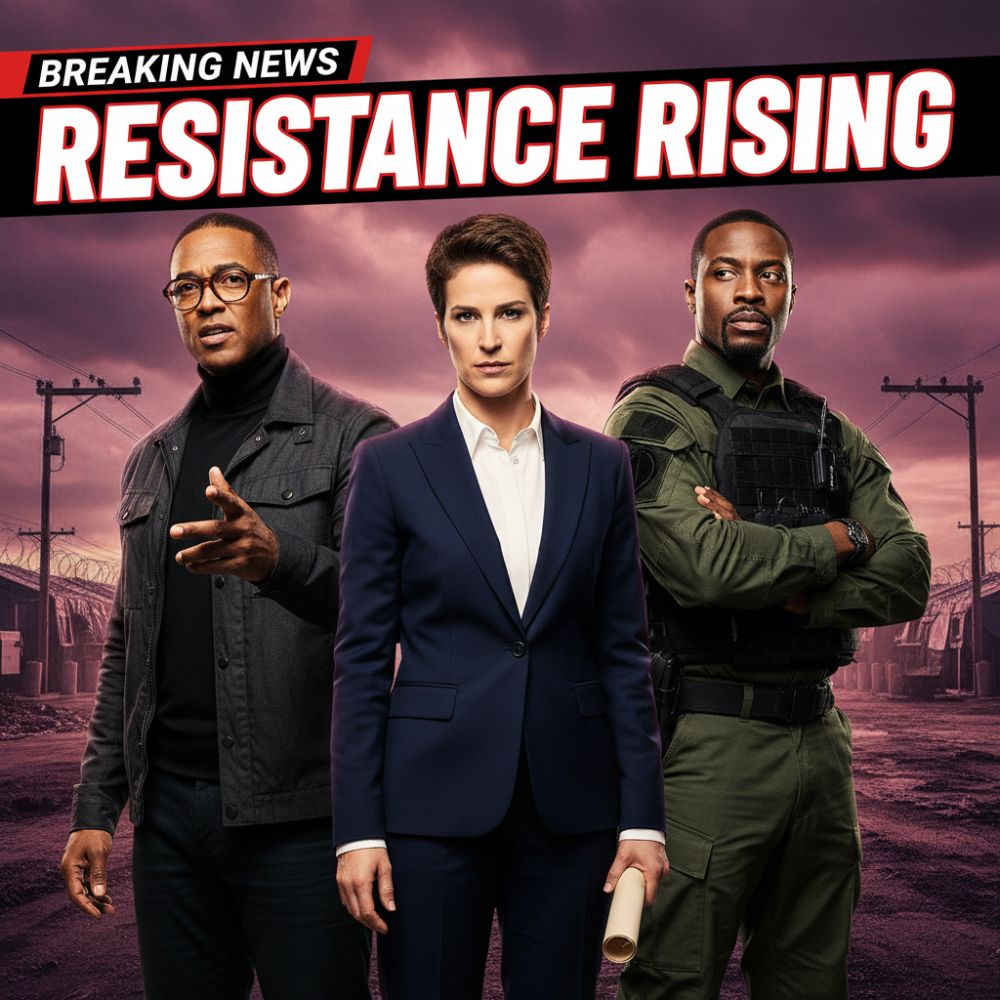
In early 2026, as the Trump administration ramps up its aggressive immigration enforcement, a groundswell of local opposition is derailing plans for massive detention facilities across the United States.
From rural Virginia to urban Oklahoma, residents, officials, and activists are banding together to reject what critics call “Trump prison camps”—repurposed warehouses intended to hold thousands of immigrants.
This resistance highlights a deepening divide: while federal authorities push for a $45 billion expansion of detention sites, communities argue these facilities threaten local infrastructure, economies, and humane values. The question looms: Can grassroots efforts stem the tide of a policy that has already set records for detentions and deaths?
Rachel Maddow, the MSNBC host known for her deep-dive storytelling and modulated, reassuring delivery, spotlighted these victories in her February 2, 2026, show. With a serious tone laced with urgency, she narrated timelines of local pushback, using video clips of cheering crowds and key quotes to build a narrative of hope amid crisis.
Unlike satirical styles, Maddow’s approach is analytical, weaving facts into a cohesive story that underscores community power.
Take Hanover County, Virginia, a Republican-leaning area outside Richmond where Trump won by 26 points in 2024. On January 21, the Department of Homeland Security (DHS) announced plans to convert a 500,000-square-foot warehouse in Ashland—once a Canadian-owned cattle farm—into an ICE facility.
Local news broke the story two days later, sparking immediate backlash. By week’s end, British Columbia’s Green Party boycotted the billionaire owner, unions urged halting the sale, and despite the company’s initial defiance, pressure mounted.
In a packed January 28 meeting amid icy weather, Hanover’s Board of Supervisors unanimously rejected the proposal, citing incompatible land use and lack of consultation. Residents, limited to locals, voiced fears over public services strain.
Video from Indivisible Virginia captured the jubilation: “These wonderful patriots have defeated the concentration camp,” Maddow quoted, as crowds chanted “We’re not leaving.” The Canadian developer withdrew the sale by January 30, a win echoed in state Democrats’ opposition letter to DHS.
Similar triumphs unfolded elsewhere. In Utah, protests targeted a Salt Lake City warehouse eyed for ICE use. The mayor decried its scale—larger than all state prisons combined—and vowed legal blocks. By Saturday, the real estate firm backed out.
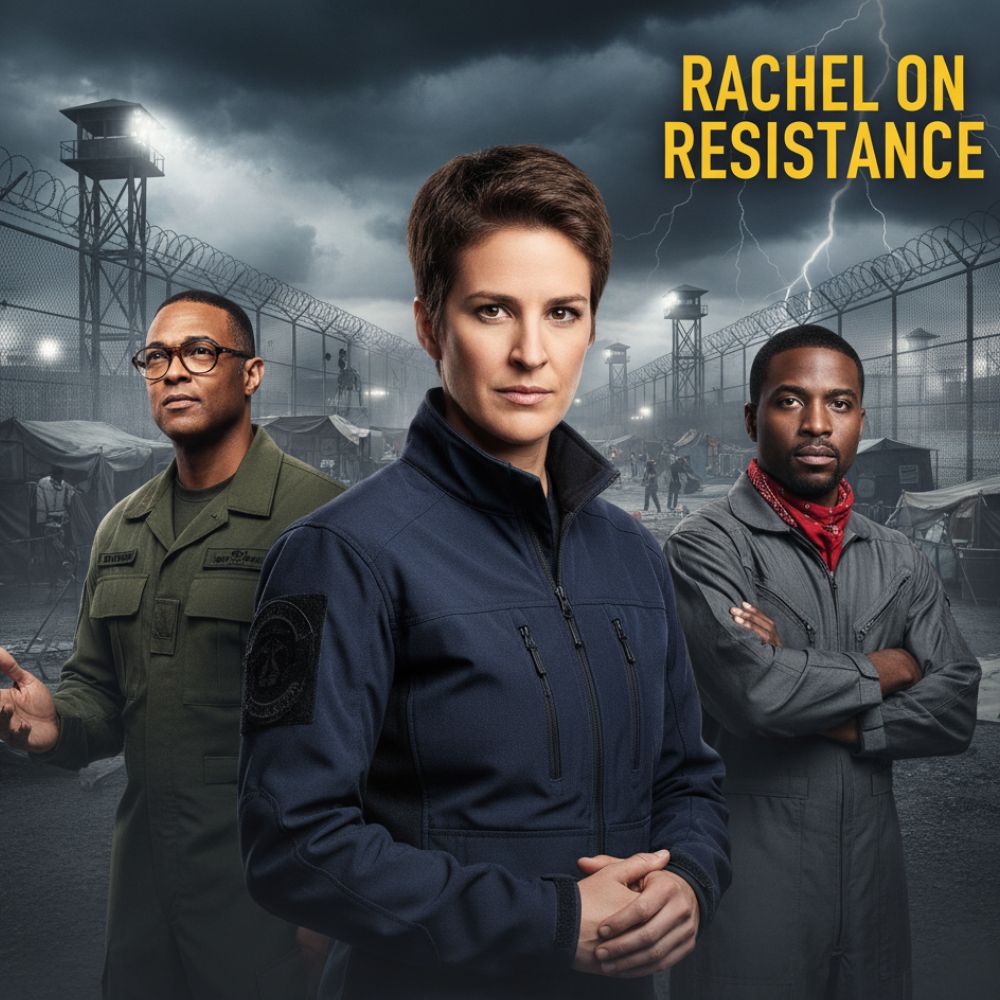
Oklahoma City followed suit: after hours-long council debates and direct outreach to owners, the 27-acre site deal collapsed by Thursday. “There is not going to be a Trump prison camp in Oklahoma City,” Maddow emphasized, highlighting how red-state locals prioritized community over federal mandates.
San Antonio saw site visits canceled due to demonstrations, while Merrimack, New Hampshire, drew 1,200 to oppose plans.
In Georgia’s Social Circle, a town of 5,000, infrastructure limits—sewer and water at capacity—doomed a 10,000-person camp. Roxbury, New Jersey’s Republican council worried about utilities; Kansas City, Missouri, imposed a five-year moratorium on such facilities.
Howard County, Maryland, acted swiftly: County Executive Calvin Ball revoked a building permit for an Elkridge site on February 2, warning of “devastating consequences.” He introduced emergency legislation banning private detention centers, passed unanimously amid packed hearings.
Maddow interviewed Georgia Fort, a Minnesota Emmy-winning journalist arrested while covering an anti-ICE protest at a St. Paul church. Fort described her dawn raid as a “strategic attack on the free press,” part of broader efforts to intimidate media. Released without bail, she vowed to continue reporting, echoing concerns over journalism’s criminalization.
Kansas City Mayor Quinton Lucas, in Maddow’s closing segment, reinforced opposition: “This is inhumane… We will proudly enforce our moratorium.” His city’s council passed the ban 12-1, ready to sue if needed.
These stories come against a grim backdrop. ICE holds a record 73,000 detainees, with plans for 16 processing centers and seven warehouse camps potentially doubling capacity. Facilities like Dilley, Texas, report outbreaks and riots; three died at Fort Bliss, including a homicide; three more at Camp East, Montana. Nationwide protests, from Los Angeles to Minneapolis, demand “ICE Out,” with bike rides honoring victims like Alex Preti, killed by agents.
Maddow’s episode warns: “If they build them, they will fill them.” Yet, these local wins suggest resistance can prevail. As No Kings Day protests approach on March 28, the movement grows, raising a pivotal query: Will community defiance reshape Trump’s immigration legacy?