


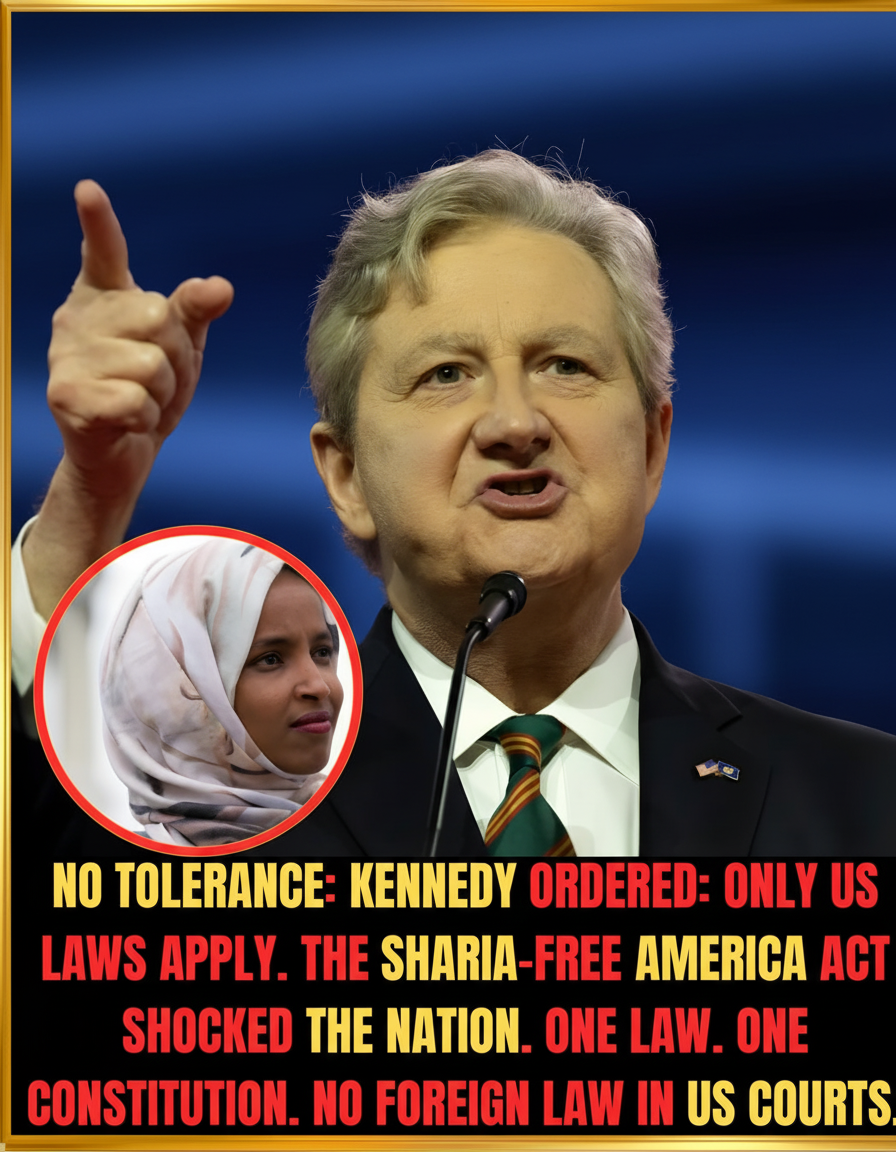
America Chooses Law Over Ideology: Senator John Neely Kennedy Draws a Constitutional Line with the Sharia-Free America Act
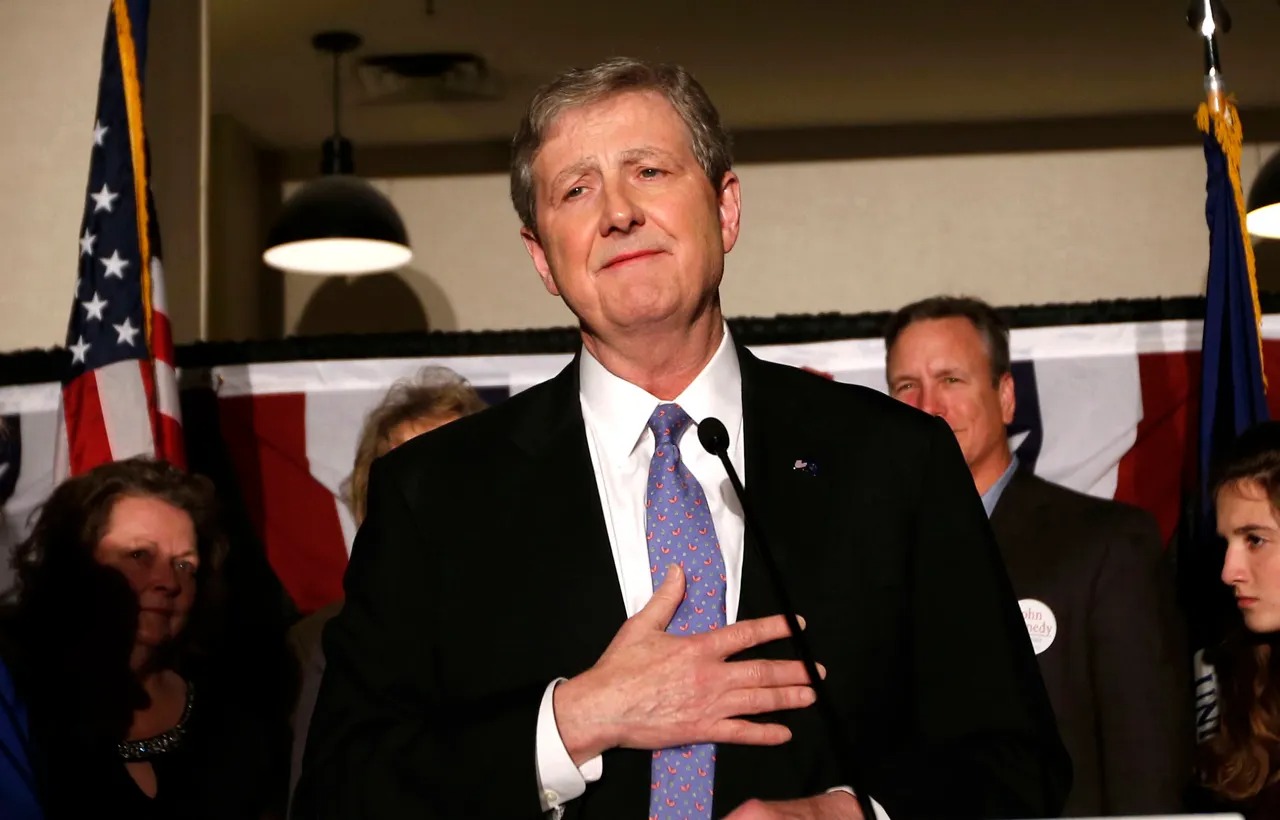
Senator John Neely Kennedy is igniting a critical national conversation by drawing a hard constitutional line that many in Washington have long avoided. His introduction of the Sharia-Free America Act has sparked fiery debate—not because it is radical, but because it forces Americans to confront a fundamental question: Do we want one consistent legal system, or should competing foreign codes have place in our courts? Kennedy’s answer is resolute, unapologetic, and firmly grounded in the U.S. Constitution.
Defending the Core of American Legal Unity

For decades, activists and pressure groups have advocated for American courts to “consider” foreign religious and cultural legal frameworks—such as Sharia law—when adjudicating domestic disputes. What once was a theoretical discussion has now become a tangible threat to legal uniformity and justice.
Kennedy warns that this slippery slope undermines equal protection, due process, and the foundational safeguards enshrined by the Founding Fathers. “We can celebrate many cultures within our nation,” Kennedy states, “but we cannot allow multiple, conflicting legal authorities to govern our people.”
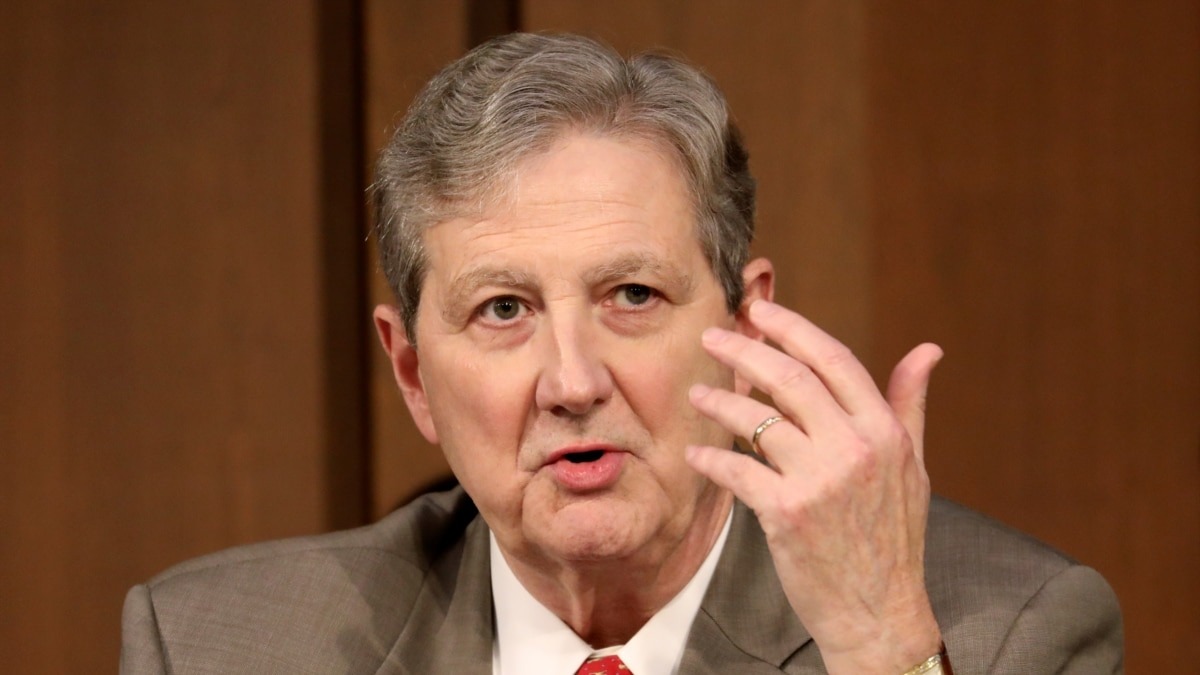
The Constitution, he argues, is the unifying backbone that prevents government abuse, sectarian favoritism, and arbitrary justice. The moment legal exceptions are carved out for foreign codes, America risks fracturing into a patchwork of ideological fiefdoms, losing its identity as a constitutional republic.
Beyond Targeting a Religion: A Stand for Neutral Rule of Law
Kennedy’s legislation is not an attack on any religion—it is a defense of a neutral, universal rule of law. The Sharia-Free America Act emphasizes one legal standard for every citizen, one Constitution that binds and protects all equally.
This principle ensures justice is blind to faith, ethnicity, or ideology, and that rights are safeguarded without exception. Allowing foreign laws to influence American courts erodes citizen trust and risks establishing legal loopholes that privilege some over others.
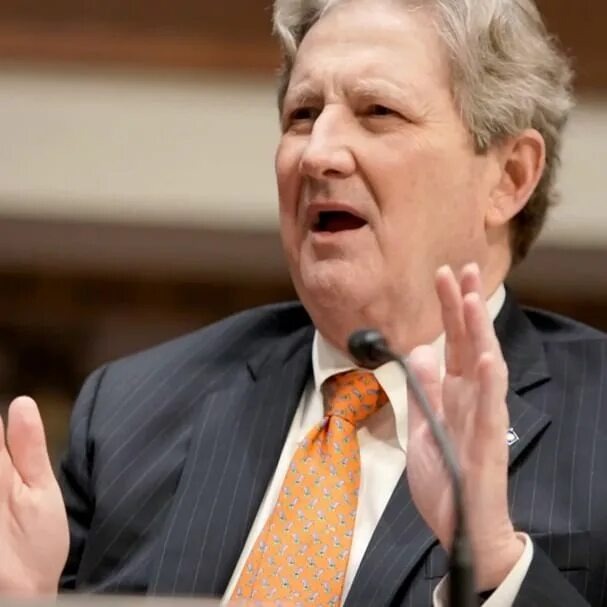
The Deep Divide Exposed
The bill not only catalyzes a policy battle but exposes a deeper cultural and ideological rift in America. On one side stand those who prioritize preserving the legal foundations of the republic. They believe the Constitution is the ultimate arbiter across all states and communities and that safeguarding it is non-negotiable.
Opposing them are factions that argue identity and legal norms must adapt, allowing national identity and legal frameworks to become fluid and negotiable. This camp views multicultural accommodation as paramount, sometimes at the expense of legal uniformity and constitutional clarity.
An Unwavering Declaration

He echoes the clarity of the Founders’ vision: “One law, one Constitution, one standard for every citizen.” His message is unequivocal; upholding the Constitution’s primacy is essential to maintaining America’s cohesion and justice.
This battle over legal jurisdiction will not fade quietly. It challenges the essence of what constitutes American identity and governance in an increasingly diverse society.
Why It Matters Now
As immigration increases and cultural pluralism grows, questions about how American law interacts with foreign customs become more than academic—they impact real lives and judicial decisions daily.
Kennedy’s bill urges the nation to confront these realities head-on, rather than allowing incremental dilution of the legal system. By asserting constitutional primacy, he calls on Americans to reaffirm their shared civic foundation.
Conclusion: Guarding the Republic’s Legal Soul
Senator John Neely Kennedy’s Sharia-Free America Act draws a clear boundary in the ongoing debate about America’s legal future. It demands that national law remain singular, equal, and constitutionally rooted.
In doing so, Kennedy challenges a nation divided over identity and law to choose between ideological accommodation and constitutional continuity. His firm, unapologetic position highlights that America can honor cultural diversity without sacrificing the unity and fairness guaranteed by its founding document.
The question Kennedy poses is urgent and stark: will America stand as one republic under one law, or fragment into competing legal sovereignties? The answer will define the nation’s legal soul for generations to come.