


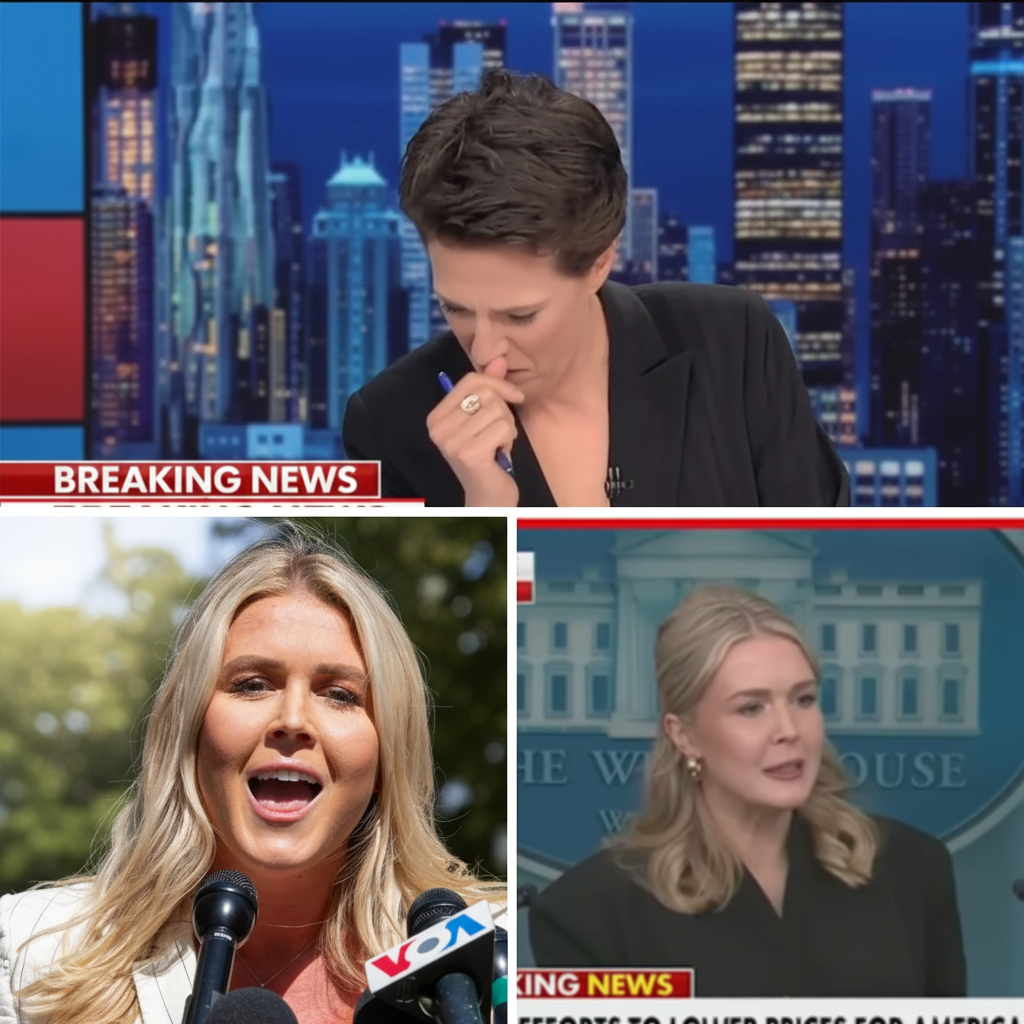
Rachel Maddow’s analysis did not begin with outrage or theatrics. It began with a simple observation: the moment Karoline Leavitt lost control of the briefing room. According to Maddow, that moment arrived early, triggered by routine questions about affordability, healthcare costs, and comparisons to the Biden administration. What followed, Maddow argued, was not a single bad answer but a cascading breakdown that revealed far more than Leavitt intended.

As Maddow laid it out, Leavitt’s initial strategy was familiar and predictable. She redirected criticism toward Joe Biden, framing current economic pressures as inherited damage rather than the result of present policy choices. That pivot might have worked under different circumstances, but Maddow pointed out that the numbers no longer supported the narrative. Inflation figures, wage claims, and energy price talking points began to blur together, and Leavitt’s delivery shifted from confident to defensive. Viewers noticed the change immediately. One political commentator remarked online that “the talking points started tripping over each other.”

What made the briefing unravel, Maddow suggested, was not hostile questioning but basic follow-ups. Reporters asked why affordability remained a problem if the economy was supposedly improving. They asked how healthcare costs would fall while lawmakers opposed expanding existing subsidies. These were not ideological traps; they were logical extensions of Leavitt’s own claims. Instead of clarifying, she doubled down, repeating statistics that did not align cleanly with publicly available data. Maddow paused on this point, noting that repetition without coherence often signals uncertainty rather than confidence.
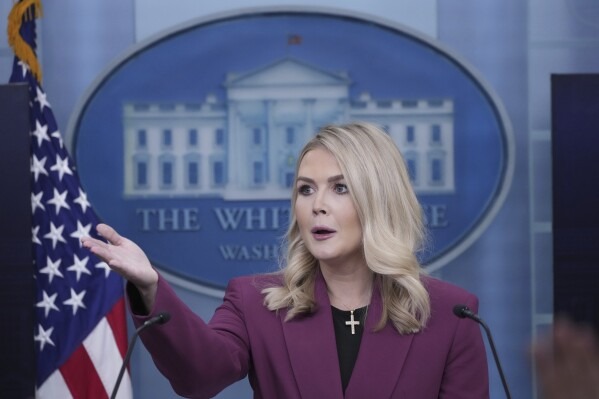
The Biden comparison became a central theme. Leavitt repeatedly invoked the previous administration as the source of today’s problems, but Maddow argued that this rhetorical move backfired. Polling data, economic trend lines, and even conservative analysts have acknowledged that voters increasingly judge the current administration on its own performance. By leaning so heavily on Biden, Leavitt appeared less like a spokesperson offering solutions and more like a defendant deflecting responsibility. A former campaign strategist observed, “When you’re still blaming the last guy, voters assume you’ve run out of answers.”
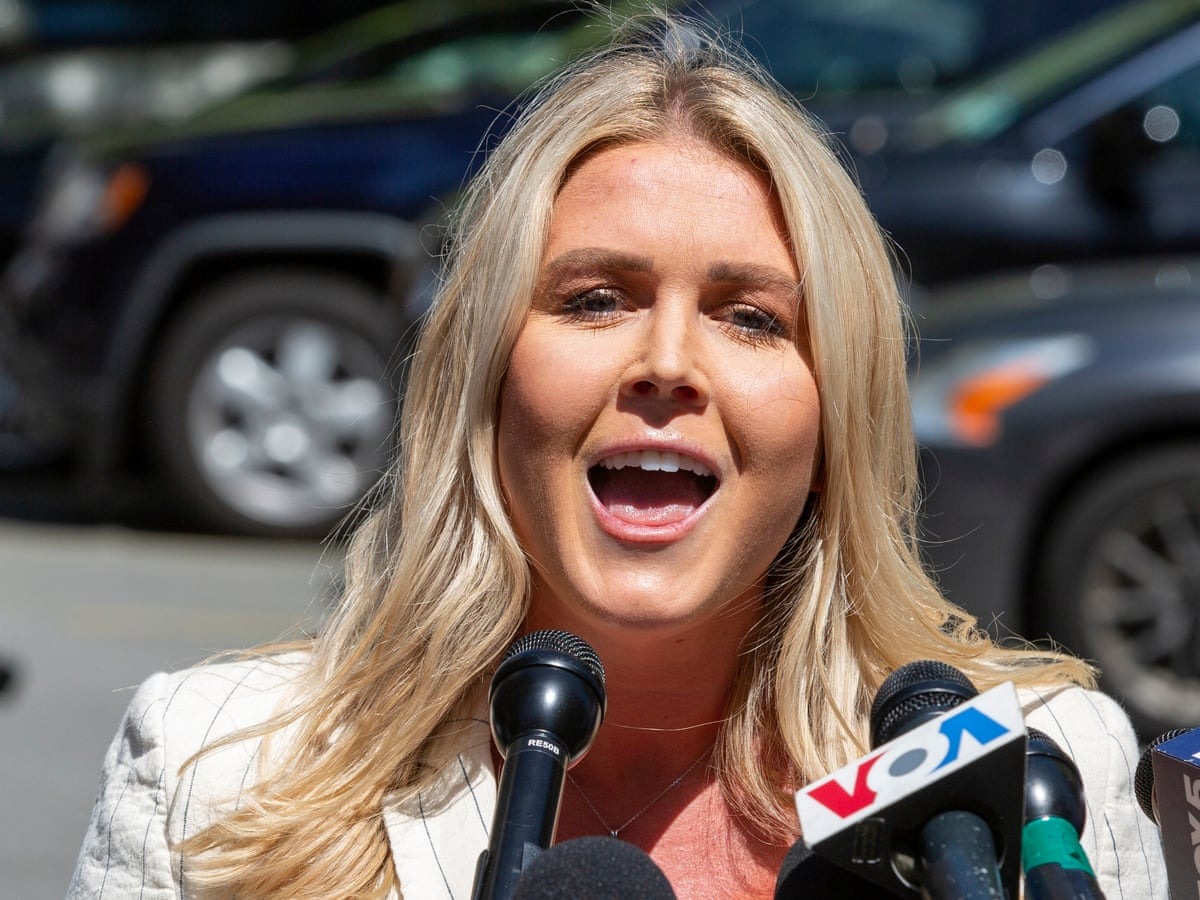
Maddow also highlighted how Leavitt’s tone shifted as the briefing wore on. Interruptions increased. Answers grew longer but less precise. At several points, Leavitt appeared to argue with the premise of questions rather than address them directly. Maddow framed this as a classic tell: when officials feel boxed in by facts, they challenge the question instead of the evidence. “That’s not control,” Maddow implied. “That’s damage containment.”
Outside voices echoed the critique. Media analyst Aaron Rupar noted that Leavitt spent most of the briefing on the defensive and looked visibly rattled by the end. Even commentators who generally view Leavitt as one of Trump’s more capable communicators conceded that this appearance strained credibility. One conservative-leaning columnist wrote that the briefing “felt less like persuasion and more like improvisation under pressure.”
Healthcare proved especially revealing. While Leavitt spoke about “creative solutions” and future plans, contemporaneous votes against expanding Affordable Care Act subsidies undermined the message. Maddow juxtaposed these realities carefully, letting the contradiction speak for itself. The effect was subtle but powerful: viewers were invited to notice the gap between rhetoric and action without being told what to think. A policy expert watching the segment commented, “When the policy doesn’t match the pitch, people stop listening.”
What ultimately set Maddow’s analysis apart was her refusal to frame the moment as a personal failure alone. She treated Leavitt’s performance as a window into a broader communications problem. The White House, Maddow suggested, is struggling to reconcile optimistic messaging with policy outcomes that voters experience daily. Leavitt’s job is to bridge that gap, but the gap is widening faster than talking points can cover it. In that sense, the briefing was less a mistake than a symptom.
Maddow concluded by returning to the idea of inadvertent disclosure. Leavitt did not reveal anything classified or scandalous, but she revealed something equally damaging: inconsistency. By stacking claims that didn’t align and leaning on Biden as a universal explanation, she exposed the fragility of the narrative itself. “She didn’t give anything away on purpose,” one longtime journalist observed, “but the cracks were impossible to miss.”
In the end, Maddow argued, the most telling part of the briefing was not what Leavitt said, but what she could no longer convincingly defend. Control in a press room isn’t about dominating the exchange; it’s about maintaining coherence under scrutiny. On that day, according to Maddow, coherence gave way to contradiction — and the audience saw it happen in real time.
That is why Maddow labeled the briefing a disaster. Not because of a single misstatement, but because the accumulation of small, avoidable errors revealed a larger truth the administration would rather keep obscured.