



In a startling revelation, U.S. Ambassador Pete Hoekstra has inadvertently confirmed that Canada’s recent advertising campaign struck a nerve with President Donald Trump, exposing a significant political vulnerability. During a panel discussion at the Canadian Manufacturers and Exporters conference, Hoekstra expressed frustration over Ontario’s decision to run ads in U.S. states that highlighted the detrimental effects of Trump’s tariffs on American workers. His reaction, described as less diplomatic and more emotional, underscores a shift in the Canada-U.S. dynamic, signaling that Canada has found a potent leverage point against the Trump administration.
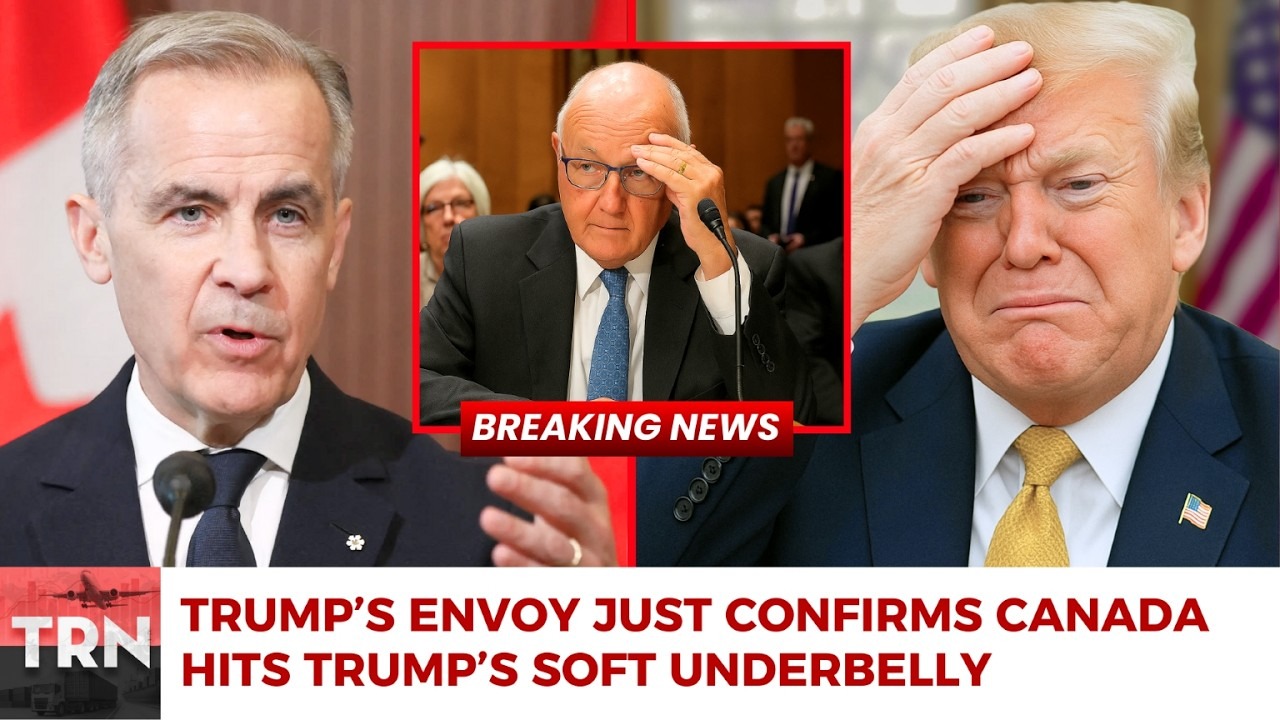
The backdrop of this diplomatic drama is a deteriorating trade relationship marked by escalating tariffs. Trump’s administration has imposed sweeping duties on Canadian goods, including a 25% tariff on most products and a 10% tariff on Canadian energy. This aggressive economic stance has strained supply chains and inflated prices, prompting Canadian Prime Minister Mark Carney to respond with a strategic counter-tariff package worth $38.9 billion and a pivot towards Asian markets to reduce dependency on the U.S.
Hoekstra’s outburst reveals a critical turning point. Rather than dismissing the ads as trivial, he treated them as a significant threat, indicating that Canada’s messaging has successfully penetrated the carefully curated narrative surrounding Trump’s economic policies. Analysts have noted that when Canada directly engages with American voters, it exposes Trump’s weaknesses, particularly his vulnerability to public opinion among his base. This is a departure from Canada’s historical approach of quiet diplomacy and back-channel negotiations.

The ambassador’s warning—”Don’t ever do that again”—was not merely a plea for decorum but a sign of fear that Canada had effectively disrupted the status quo. The targeted ads, which aimed to inform American workers about the adverse impacts of tariffs, challenged the narrative that Trump’s policies were beneficial. This direct appeal to voters is a strategy Canada has not employed before, and its success raises questions about the future of Canada-U.S. relations.

Hoekstra’s remarks also hinted at a broader concern within the Trump administration regarding the stability of its trade policies. The ambassador’s irritation reflects the internal pressures Trump faces from rising consumer prices and discontent among American workers affected by the tariffs. As Canada continues to leverage this newfound political tool, the question remains whether it will persist in applying pressure or retreat into a more traditional diplomatic stance.
Furthermore, Hoekstra suggested that Canada might aim for a trade agreement similar to the recent U.S.-UK deal, which he framed as a favorable outcome. However, experts quickly pointed out that such a deal could be more of a trap than a prize, excluding critical sectors vital to Canada’s economy, such as steel and automotive industries.
The current landscape indicates that Canada is no longer content to play a subordinate role in U.S. trade dynamics. Under Carney’s leadership, Canada is redefining its foreign policy, focusing on independence and diversification away from reliance on the U.S. This shift is evident in Canada’s expanding economic relationships in Asia, where it is positioning itself as a reliable partner in a rapidly changing global economy.
As this diplomatic saga unfolds, the implications for both nations are profound. Canada has demonstrated that it can challenge the U.S. narrative and assert its interests on a global stage. The world is watching to see if Canada will continue to press this advantage or revert to a more conventional approach. The stakes are high, not just for Canada and the U.S., but for the broader international community as economic power dynamics shift and new alliances form.