


LAS VEGAS IS GRAPPLING with a profound and costly identity crisis as soaring prices and a hollowed-out experience trigger a sustained exodus of visitors, raising alarms far beyond the city’s shimmering skyline. New data reveals tourism has slumped for consecutive months, with October arrivals down 4.4% year-over-year, accelerating a summer decline that has already cost the local economy billions.
This downturn signals potential trouble for the broader U.S. economy, where consumer discretionary spending is a critical bellwether. Behind the neon spectacle, a fundamental pact with travelers has shattered. The spontaneous weekend escape has been replaced by a meticulously engineered extraction of revenue, leaving the city’s famed hospitality feeling thin, cold, and financially hostile.
Corporate ownership now dominates the Strip, prioritizing quarterly earnings over guest loyalty. The financial assault begins at booking. Hotel rates have skyrocketed more than 40% compared to pre-pandemic years, rarely reflecting the final tally. Resort fees, often exceeding $50 nightly, are tacked on for basic amenities.
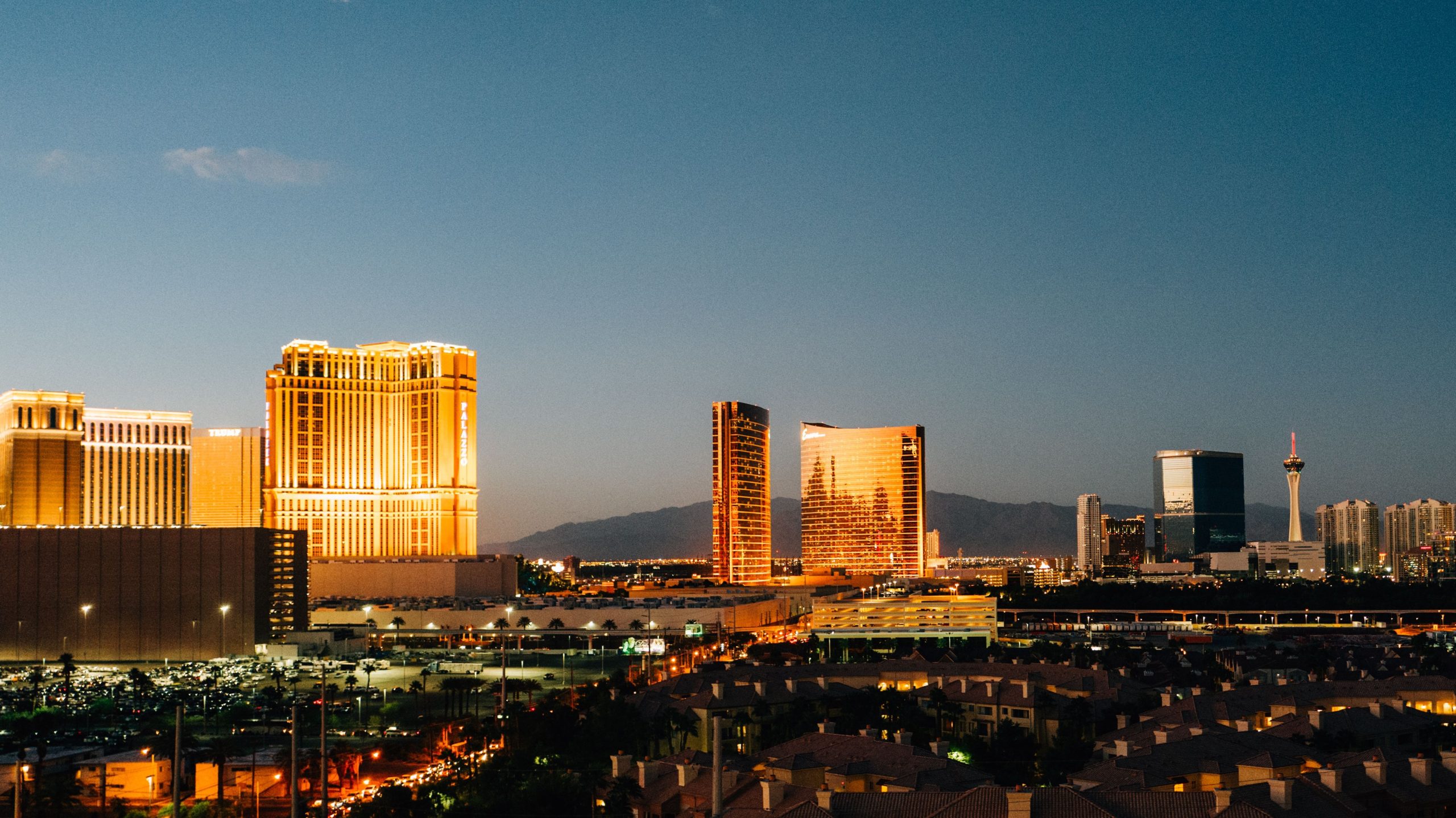
Parking, once a courtesy, now carries a concert ticket’s price. Even early check-in commands a $60 premium. A basic cocktail routinely hits $25, while souvenir cups with diluted liquor reach $50 without hesitation. Visitors now absorb losses long before placing a single bet.
The strategy relies on timing. Flights and rooms are booked before the full cost landscape becomes clear. By arrival, retreat is impractical, so spending continues under duress. The city once earned loyalty through excess and excitement; now it extracts revenue by exhaustion.
This financial pressure would be tolerable if the city’s heart still beat as it once did. Las Vegas was built on human connection, where dealers remembered names and bartenders poured heavy. That layer has been stripped away by cost-cutting and automation.
Concierge desks have vanished. Bell services have shrunk. Familiar faces have been replaced by touch screens and QR codes. Workers describe being stretched across multiple roles, their morale sinking as service quality slips. Corporate reports call this efficiency.
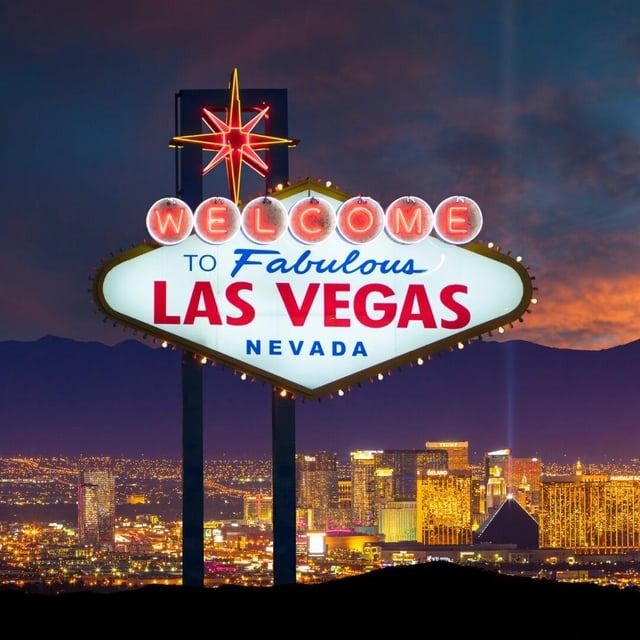
The emotional toll is palpable across casino floors. Dealers appear drained, service feels rushed, and smiles seem practiced. The illusion the city once sold felt sincere; now the pretense is wearing dangerously thin. The atmosphere has turned sterile, designed to process bodies, not welcome guests.
The gambling itself tells a harsher story. Table minimums have surged, shutting out casual play. Blackjack often demands $50 a hand, with lower-stakes options relegated to impersonal electronic terminals. Rule changes have quietly increased the house edge.
Roulette wheels have added zeros. Even craps, a game of communal energy, is increasingly digitized. The focus has shifted from fostering return visits to maximizing extraction in a single stay. Risk remains, but reward has been diluted to the point of regret.
Entertainment has followed the same homogenized path. Quirky lounges and affordable magic shows have been priced out, replaced by polished, safe productions conceived by marketing teams. Celebrity restaurants dominate with premium prices for forgettable meals.
The iconic buffets, symbols of generosity, have largely vanished, supplanted by food halls charging full price for limited portions. Spontaneity and discovery have been scheduled out of existence, leaving a experience that feels transactional and routine.
The crisis extends to the workforce that built the city’s reputation. While corporations post record profits, they are cutting hours, benefits, and positions. Bell desks and housekeeping crews have been decimated, leaving guests to roll their own luggage through marble lobbies.
Longtime employees, facing soaring local costs without commensurate wage increases, are being pushed to distant suburbs or out of state entirely. The city selling luxury and excess is losing the very people who create that illusion, creating a brand without a heartbeat.
Luxury itself has been redefined as mere tolerance for inflated prices. Five-star labels adorn experiences that feel hollow beneath sleek surfaces. True luxury requires effort and care, qualities that have quietly disappeared in favor of revenue-per-square-foot calculations.
The current silence on the Strip is speaking volumes. Empty rooms and quiet casinos may be the only force potent enough to challenge the prevailing corporate greed. Las Vegas does not need another stadium or luxury tower; it needs to remember the value of the visitor and the worker.
The city stands at a precipice. It can continue to prioritize short-term shareholder value over the authentic, human-centric experience that built its legend, or it can heed the warning in the declining numbers. The gamble is no longer at the tables; it is on the future of Las Vegas itself.