



A seismic shift is occurring in global aviation as flagship carriers abandon long-held loyalties, dealing a staggering blow to American aerospace titan Boeing. In a series of strategic blows, legacy airlines KLM, Qantas, and Emirates are pivoting decisively toward Airbus, driven by Boeing’s relentless production delays, safety crises, and an urgent industry-wide demand for fuel efficiency and reliability. This realignment signals a profound crisis of confidence that threatens Boeing’s century-long dominance.
The historic loyalty binding airlines to manufacturers is fracturing under immense pressure. Airlines can no longer absorb the financial and operational uncertainty stemming from Boeing’s protracted certification timelines and quality control scandals. For carriers planning decades ahead, predictability has become as critical as performance, creating an opening Airbus has aggressively exploited with its steady production rhythm and next-generation aircraft. KLM, the world’s oldest airline operating under its original name, delivered a shocking rebuke to its traditional partner. Despite a fleet historically comprising over 80% Boeing aircraft, the Dutch carrier announced a massive order for 134 Airbus jets, including A320neos and the long-haul A350. This move abandons a generational partnership, citing the urgent need to replace aging, inefficient planes amid tightening European emissions regulations.

The calculation was brutally economic. Airbus’s A321neo offers greater passenger capacity and longer range than Boeing’s competing 737 models, while burning significantly less fuel. For KLM, the inclusion of the A350 wide-body is particularly telling, marking a direct incursion into a market segment long dominated by Boeing’s 787 and 777 families. Simultaneously, on the other side of the globe, Qantas is fundamentally restructuring its future around Airbus engineering. The Australian flag carrier selected the Airbus A321XLR and A220-300 for its domestic and regional renewal, lured by a 30% fuel burn improvement. Most decisively, Qantas chose the Airbus A350-1000 for its ambitious ‘Project Sunrise’ routes, non-stop flights from Sydney to London and New York.
Boeing’ 777X was initially a contender for these ultra-long-haul missions, but repeated certification delays rendered it unavailable. Qantas’s bet on Airbus technology for its most prestigious flagship operations represents a devastating loss of face for Boeing in the high-profile, high-margin long-haul market.
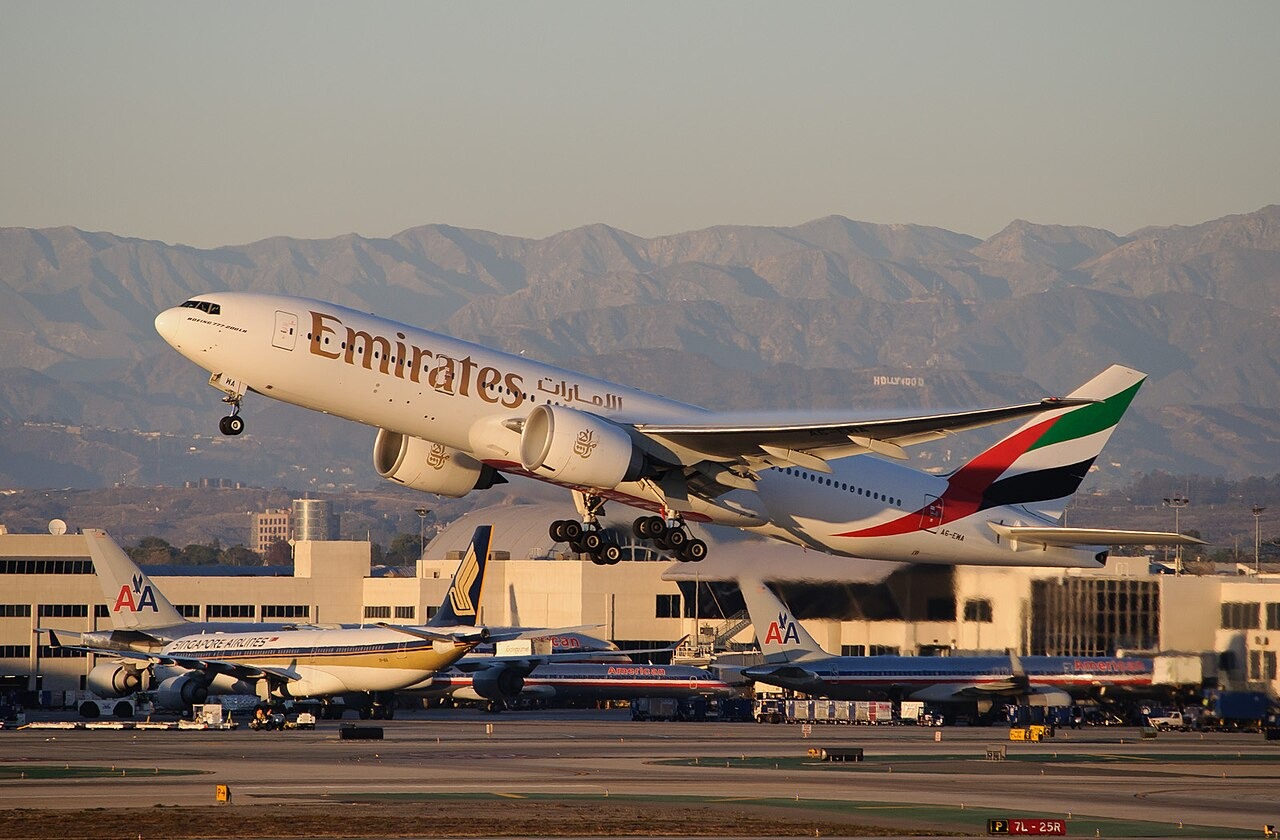
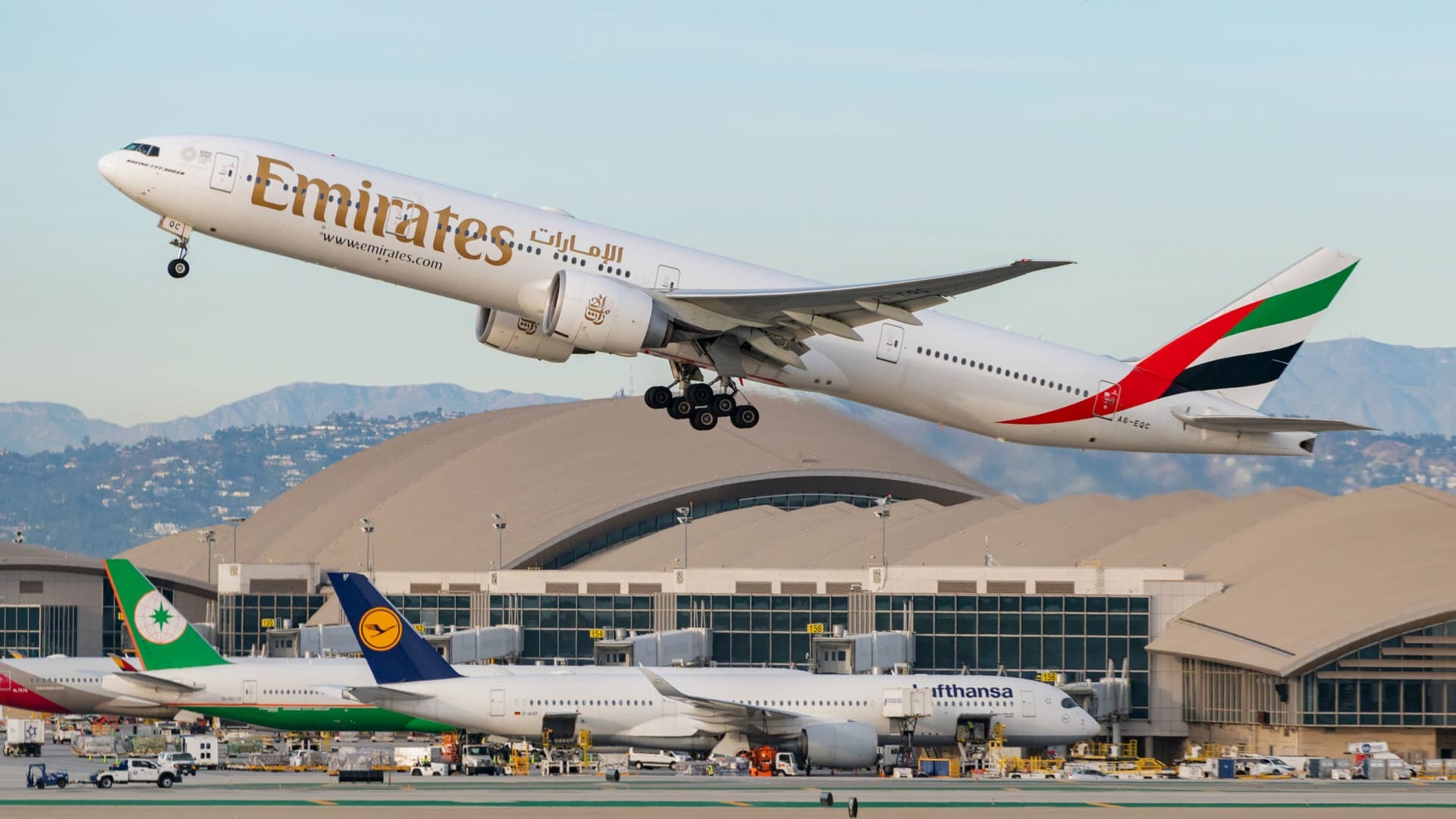
Perhaps the most pragmatic and powerful pivot comes from Emirates, a airline once synonymous with Boeing’s 777. Faced with continual delays to the 777X program, the Dubai-based giant has significantly expanded its orders for the Airbus A350. Emirates has been forced to invest billions refurbishing older aircraft, a costly stopgap underscoring its frustration with Boeing’s unreliability. The airline’s leadership has publicly criticized both manufacturers, but its capital is flowing toward Airbus. For an operator of Emirates’ scale, schedule certainty is non-negotiable, and Airbus currently holds the delivery advantage.
These defections are not isolated incidents but symptoms of a deep-rooted crisis at Boeing. The aftermath of the 737 MAX tragedies exposed systemic cultural and managerial failures that continue to reverberate. Certification hurdles plague the 737 MAX 7 and 10 variants, the 777X faces structural redesigns, and the 787 program has been hampered by production quality issues. Supply chain disruptions have compounded these self-inflicted wounds, creating a perfect storm of uncertainty. Airlines, under intense scrutiny from regulators and investors, are making survival decisions based on which manufacturer can reliably deliver efficient aircraft today.
In a further humiliation on Boeing’s home turf, American Airlines has introduced the Airbus A321XLR as the cornerstone of its long-haul growth strategy. As the first U.S. carrier to operate this type, American is using its exceptional range to profitably serve thinner transatlantic routes year-round, a capability that bypasses the need for larger Boeing wide-bodies.
This move by a major American airline underscores that the shift is driven by cold, hard economics and network strategy, not mere brand preference. The A321XLR allows for point-to-point travel to secondary cities, a market Boeing’s product lineup is currently ill-equipped to serve efficiently. The collective message from these aviation leaders is unequivocal. Trust eroded by safety scandals, confidence shattered by endless delays, and a competitive landscape demanding immediate efficiency gains have forced a historic realignment. Airbus, positioned with a mature, fuel-efficient product range and demonstrable production stability, is the clear beneficiary.
Boeing now faces an existential challenge that transcends any single aircraft program. It must not only rectify its engineering and production flaws but also embark on the monumental task of rebuilding shattered trust with its most important customers. The future of global fleet composition is being rewritten in real-time, and for the first time in generations, Boeing is not holding the pen.