


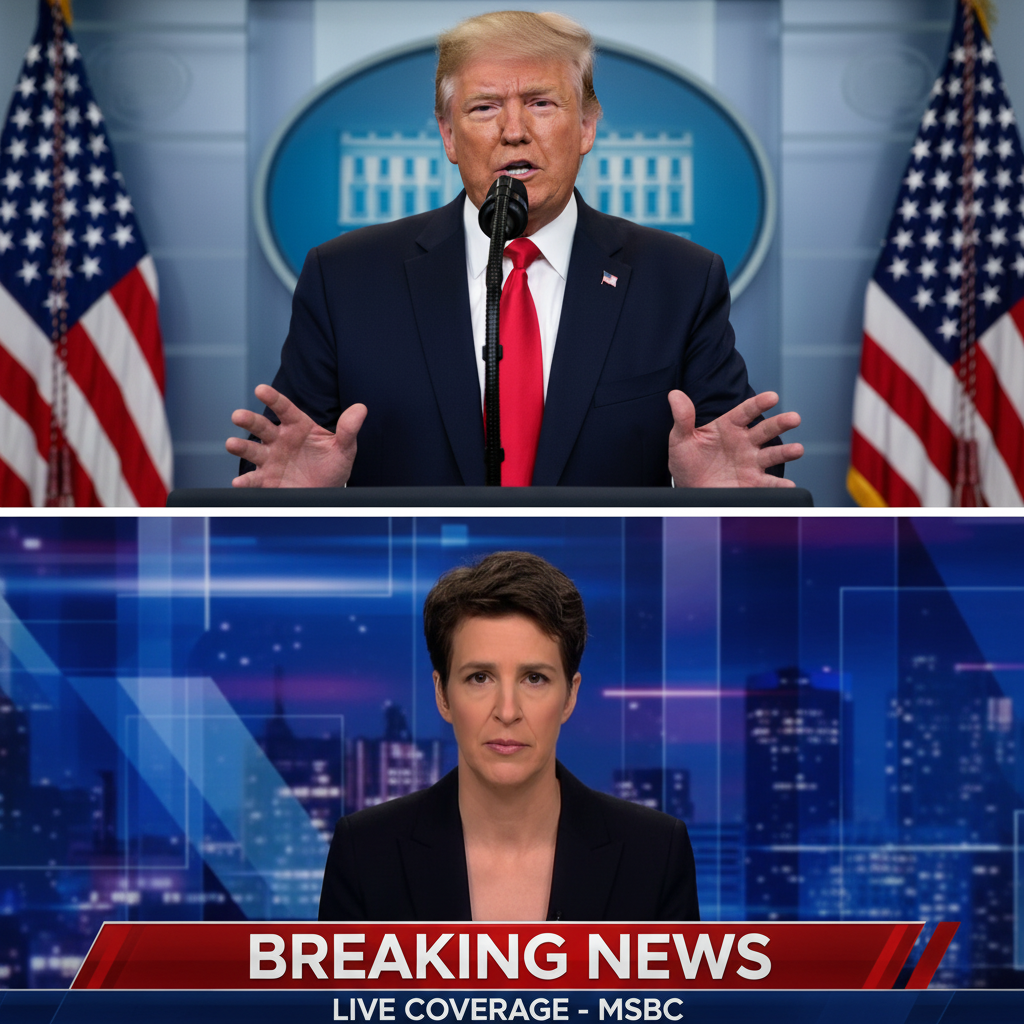
Rachel Maddow rarely needs theatrics to make a point. Instead, she lets contradictions speak for themselves. That was precisely the approach she took while breaking down the sudden announcement that the John F. Kennedy Center for the Performing Arts had supposedly been renamed in honor of a sitting president. According to the official claim delivered by Karoline Leavitt, the board had voted unanimously. Within hours, that version of events began collapsing under its own weight.
Maddow walked viewers through the timeline carefully, emphasizing how quickly reality diverged from the statement issued by the White House. Members of the Kennedy Center board publicly disputed the claim of unanimity, with at least one lawmaker stating she had been muted during the call and denied the opportunity to raise objections. The supposed consensus, Maddow noted, appeared to exist only in the press release — not in the meeting itself.
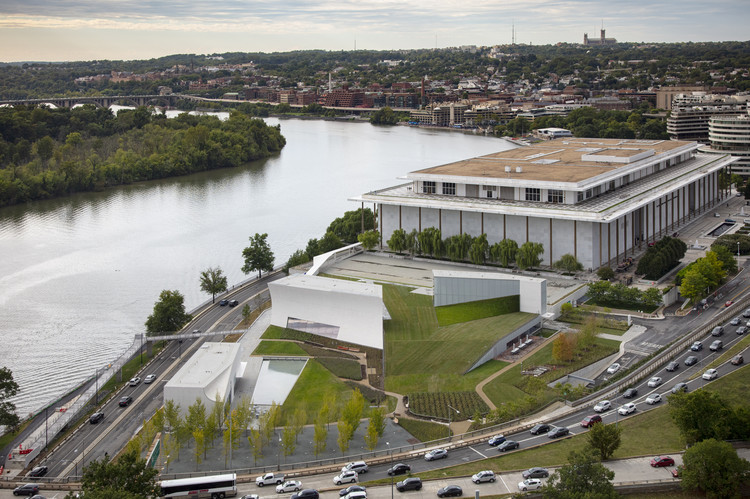
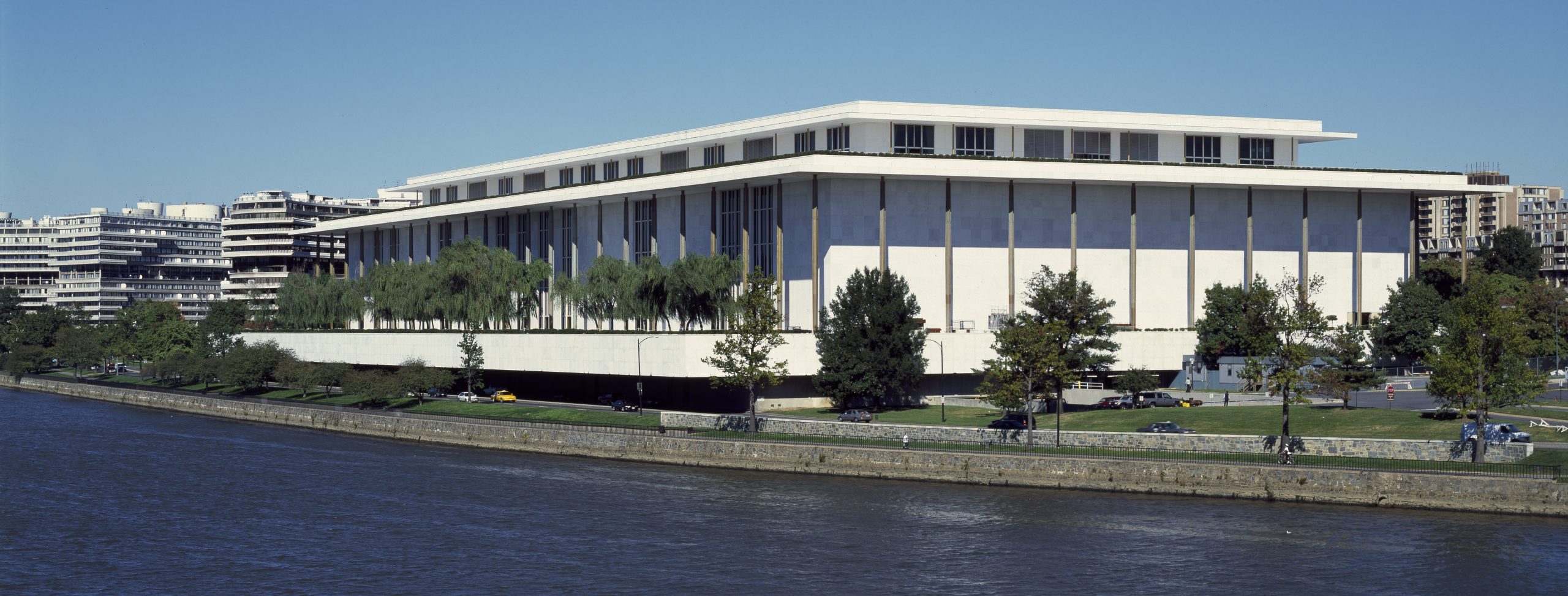
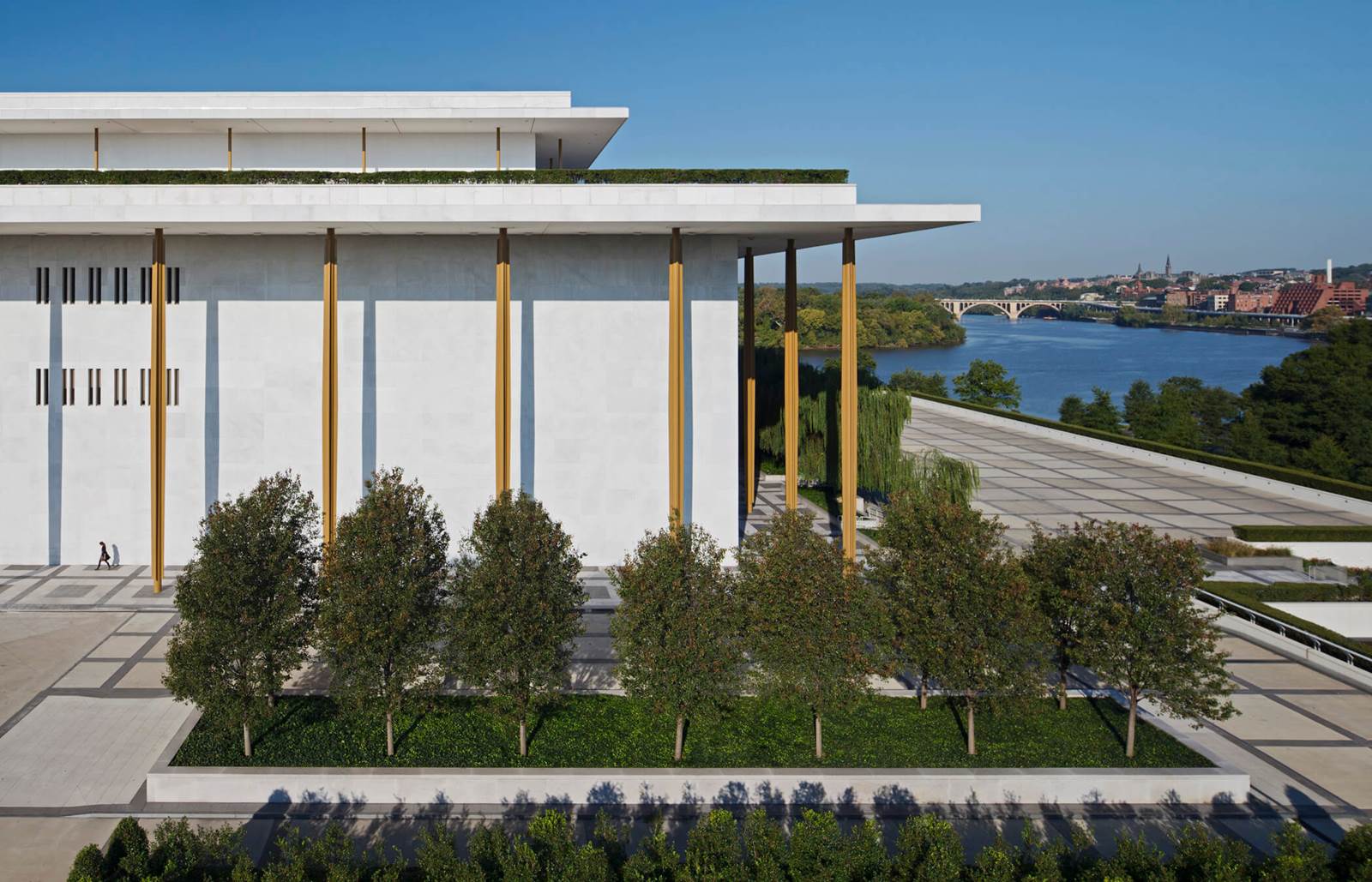
What made the situation more serious than a routine communications error, Maddow argued, was the legal context. The Kennedy Center is not simply another cultural venue. Its name was established by an act of Congress to honor President John F. Kennedy following his assassination. Changing that designation is not a branding exercise; it requires legislative authority. Maddow pointed out that no such authority had been granted, raising the question of why the administration would present the decision as a fait accompli.
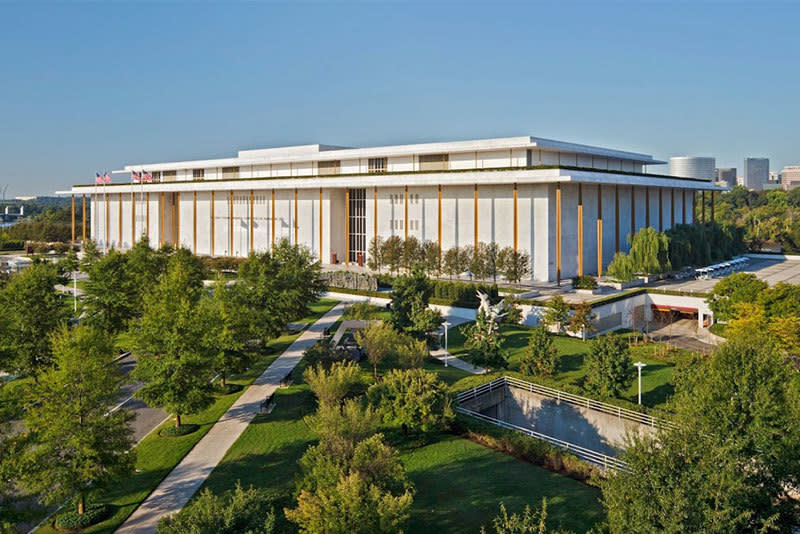
Then came the detail that shifted the segment from confusion to suspicion. Photographs surfaced showing the new name already affixed to the building — despite claims that the vote had only just occurred and that the president himself was “surprised” by the outcome. Maddow paused on that contradiction, letting it linger. Preparations had clearly been made in advance, suggesting coordination rather than coincidence.
“This is not how transparency looks,” Maddow remarked, framing the episode as part of a broader pattern rather than an isolated misstep. She connected it to earlier moments in which public institutions appeared to be reshaped to serve personal legacy-building, often with little regard for law, tradition, or political fallout.
Outside observers echoed that concern. One constitutional scholar, quoted during the broadcast, described the episode as “symbolic overreach masquerading as administrative routine.” Another commentator noted that cultural memorials function as shared civic property, not as platforms for self-commemoration by those currently in power. These reactions, Maddow suggested, underscored why the backlash was swift and bipartisan.
The political timing only sharpened the criticism. With polling already showing deep divisions and widespread voter fatigue, the decision struck many as tone-deaf. Maddow highlighted how even some allies struggled to defend the move, privately questioning why such energy was being spent on renaming landmarks instead of addressing economic pressure and legislative gridlock.
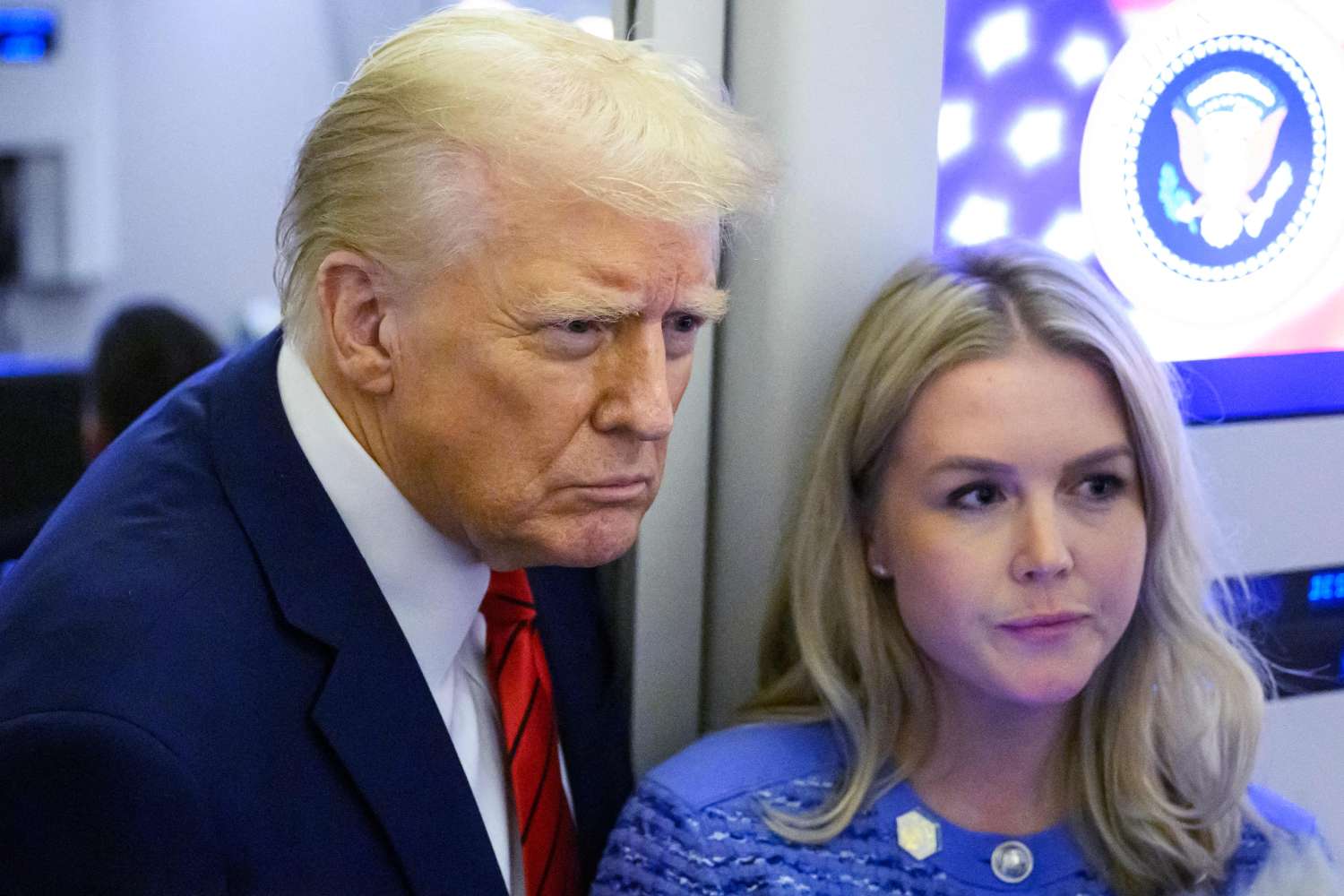
Yet Maddow’s most pointed observation came near the end of the segment. She argued that the controversy was not fundamentally about the Kennedy Center at all. It was about compulsion — the repeated urge to stamp a personal name onto institutions meant to outlast any one presidency. When legacy becomes an obsession, Maddow warned, governance often becomes secondary.
As one former federal official told her off-camera, “Monuments are supposed to honor history. When leaders try to insert themselves into them in real time, it signals insecurity, not strength.” Maddow let that assessment stand without embellishment.
By the close of the segment, the picture was unmistakable. What began as a bold announcement unraveled into a case study in overreach, misrepresentation, and institutional disregard. Maddow did not need to speculate wildly about motives; the evidence spoke plainly enough. The microphones that were muted, the laws that were ignored, and the signage that appeared too early all pointed in the same direction.
In Maddow’s telling, this was not merely a communications failure. It was a revealing moment — one that exposed how power, when left unchecked, begins to confuse permanence with entitlement. And as the narrative collapsed in real time, so too did the illusion that this was ever a harmless gesture.