


Canada is charting an independent course in the auto industry as U.S. manufacturers falter under the weight of President Donald Trump’s protectionist trade policies. With General Motors and Nissan reporting staggering declines in production volumes—down 25%—Canada is pivoting away from reliance on its southern neighbor. This strategic shift is underscored by comments from Flavio Vulp, head of the Automotive Parts Manufacturers Association, who emphasized that Canada will not let the turmoil in the U.S. auto sector dictate its industrial future.

As the Trump administration grapples with its own economic challenges, Canada is seizing the opportunity to reinforce its domestic manufacturing capabilities and diversify its trade partnerships. Prime Minister Mark Carney has made clear that the federal government will prioritize procurement from Canadian suppliers, a significant departure from past practices that favored American-made goods. This move signals a commitment to fortifying Canada’s supply chains and protecting jobs in the face of unpredictable U.S. policies.
The implications of this pivot are far-reaching. Canada is not merely reacting; it is proactively exploring new markets, including defense technology, aerospace, and robotics, while also preparing to compete for contracts across NATO countries. This strategic diversification comes at a time when U.S. tariffs and trade instability have rendered the American auto industry a risky partner. Vulp’s insights highlight a critical realization: Canada cannot afford to remain tethered to a declining U.S. market.
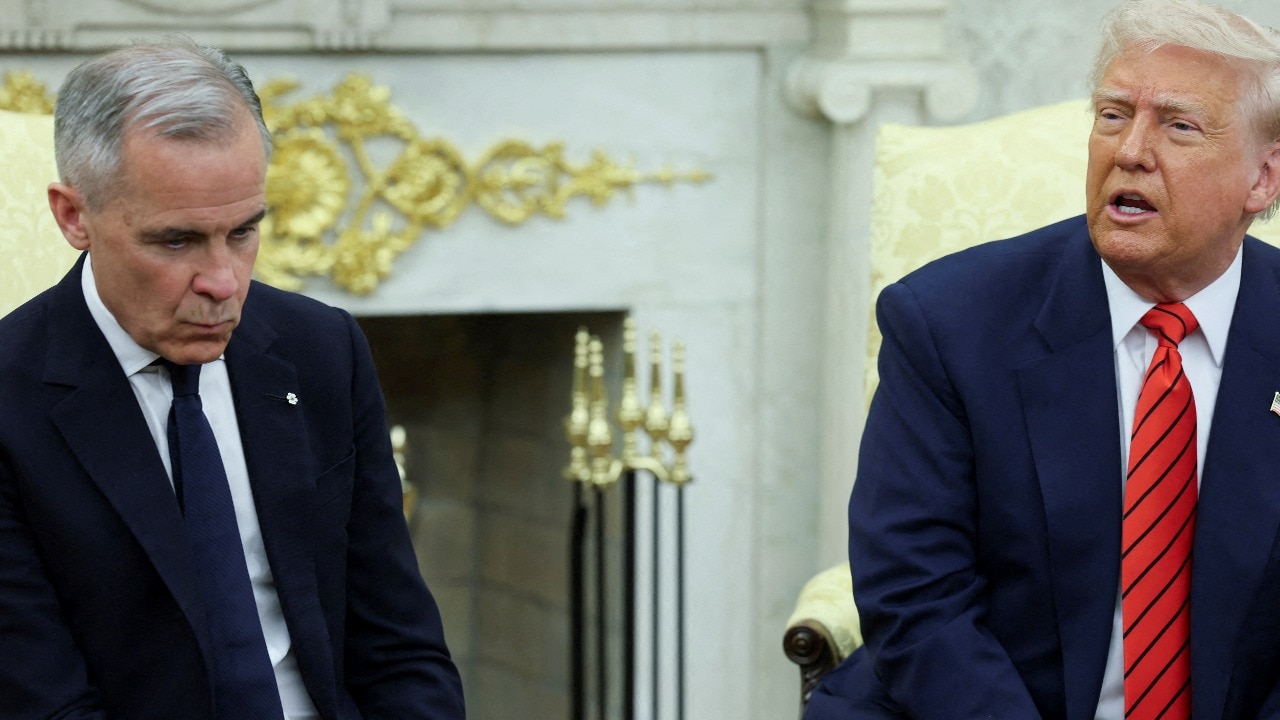
Moreover, the Canadian government is recalibrating its industrial policies to ensure that taxpayer dollars support domestic production rather than subsidizing an unstable American system. This is not an act of defiance against the U.S.; rather, it is a pragmatic response to the new economic reality shaped by Trump’s erratic trade agenda. As Canada strengthens its manufacturing base, it also positions itself as a reliable supplier to its NATO allies, potentially expanding its influence in global markets.
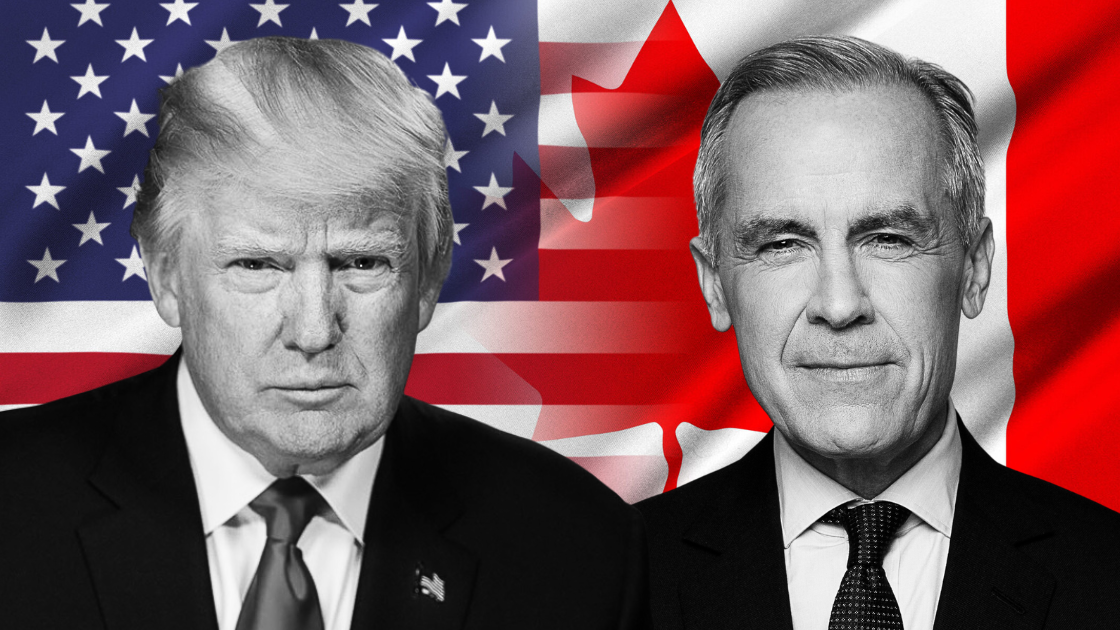
The ongoing trade war has inadvertently opened doors for Canada to become a more significant player in international supply chains. The country’s regulatory stability and abundant natural resources make it an attractive partner for nations seeking alternatives to U.S. suppliers. As the U.S. continues to grapple with its own economic and political turmoil, Canada is poised to emerge as a beacon of stability in North America
In the face of these challenges, Canadian leaders are united in their resolve to build a more resilient economy. The recent comments from Ontario Premier Doug Ford, who defiantly stated he would never apologize to Trump for the tariffs imposed on Canadian goods, reflect a growing sentiment across the country. Ford’s stance resonates with a populace weary of being treated as collateral damage in U.S. trade battles.
As Canada navigates this complex landscape, the question remains: how far will it go in asserting its independence? The answer lies in the collective determination of Canadian manufacturers, policymakers, and communities to build a strong and self-sufficient auto ecosystem capable of thriving in an increasingly uncertain world. With the pivot already underway, Canada is not merely surviving; it is actively redefining its industrial identity and preparing for a future unbound by the whims of Washington.