


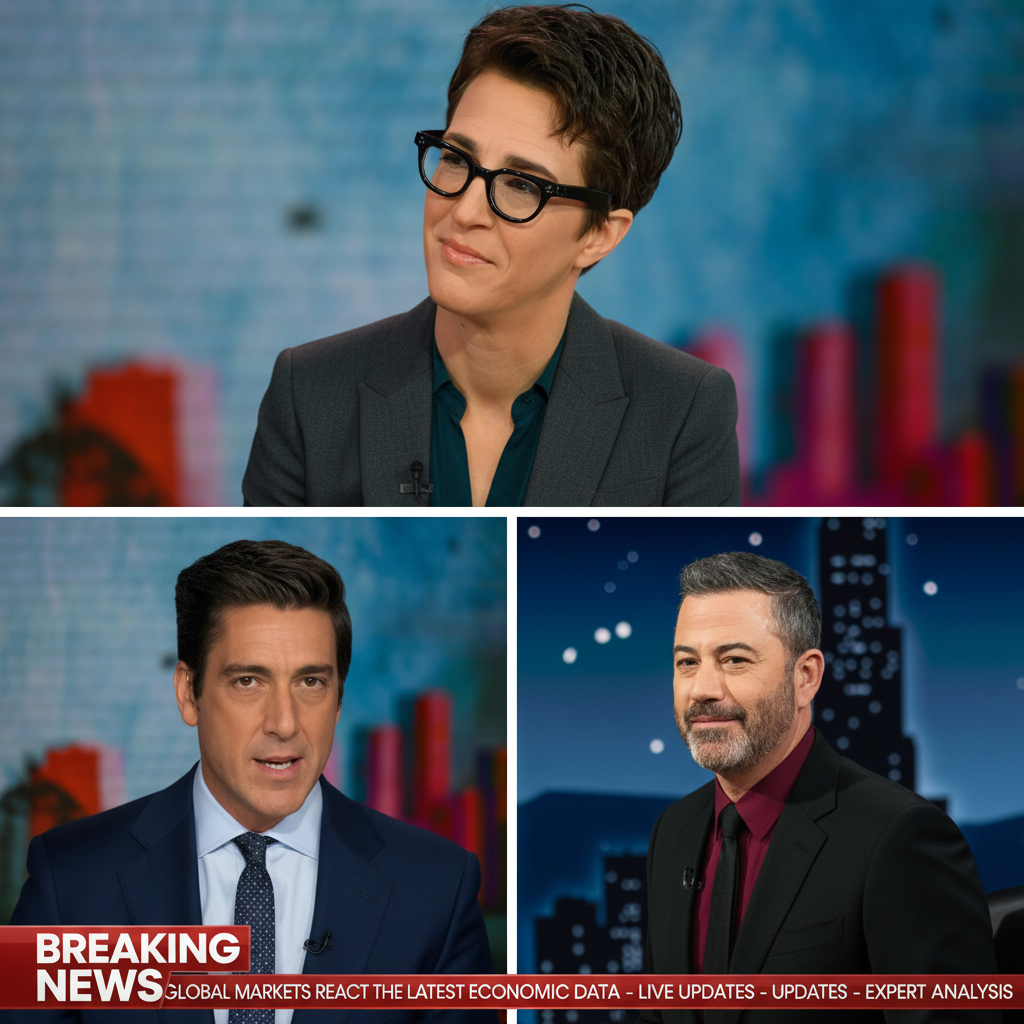
Social media is exploding with speculation after a viral claim suggested that three of the most powerful names in American media — Rachel Maddow, David Muir, and Jimmy Kimmel — could be linked to a bold new kind of news platform. According to the buzz, the idea centers on independence: no traditional advertising, no corporate pressure, and a promise of unfiltered storytelling.
The rumor ignited in late 2025, spreading rapidly across platforms like X and Facebook. Posts described a dramatic joint announcement where the trio allegedly quit their high-profile network roles to launch “The Real Room”—a subscriber-funded digital venture blending hard news, investigative archives, and satirical commentary. Maddow would reportedly handle deep-dive exposés, Muir anchor straightforward nightly reports, and Kimmel bring humor to dissect daily events. Supporters hailed it as a rebellion against “corporate censorship,” while skeptics dismissed it as wishful thinking.
Fueling the fire were ongoing frustrations in the industry. Maddow has publicly criticized MSNBC’s restructuring and layoffs, expressing concern over editorial directions. Muir, long the steady face of ABC’s World News Tonight, has navigated network shifts amid declining traditional viewership. Kimmel, after a controversial suspension and reinstatement, extended his ABC contract but has openly pondered the future of late-night TV.
Enthusiasts pointed to a pattern of media stars seeking autonomy. High-profile exits and independent launches have become more common, with journalists turning to podcasts, Substack, and streaming for direct audience connections. The idea of these three uniting seemed plausible to many—combining Maddow’s analytical depth, Muir’s trusted authority, and Kimmel’s sharp wit could attract millions tired of polarized cable news.
Yet, as the story circulated, cracks appeared. No official statements emerged from Maddow, Muir, Kimmel, or their networks. MSNBC, ABC, and representatives remained silent on any joint project. Mainstream outlets like Variety, The Hollywood Reporter, and Deadline reported nothing beyond routine contract updates—Maddow hosting weekly with temporary returns, Muir anchoring nightly, and Kimmel secured through 2027.
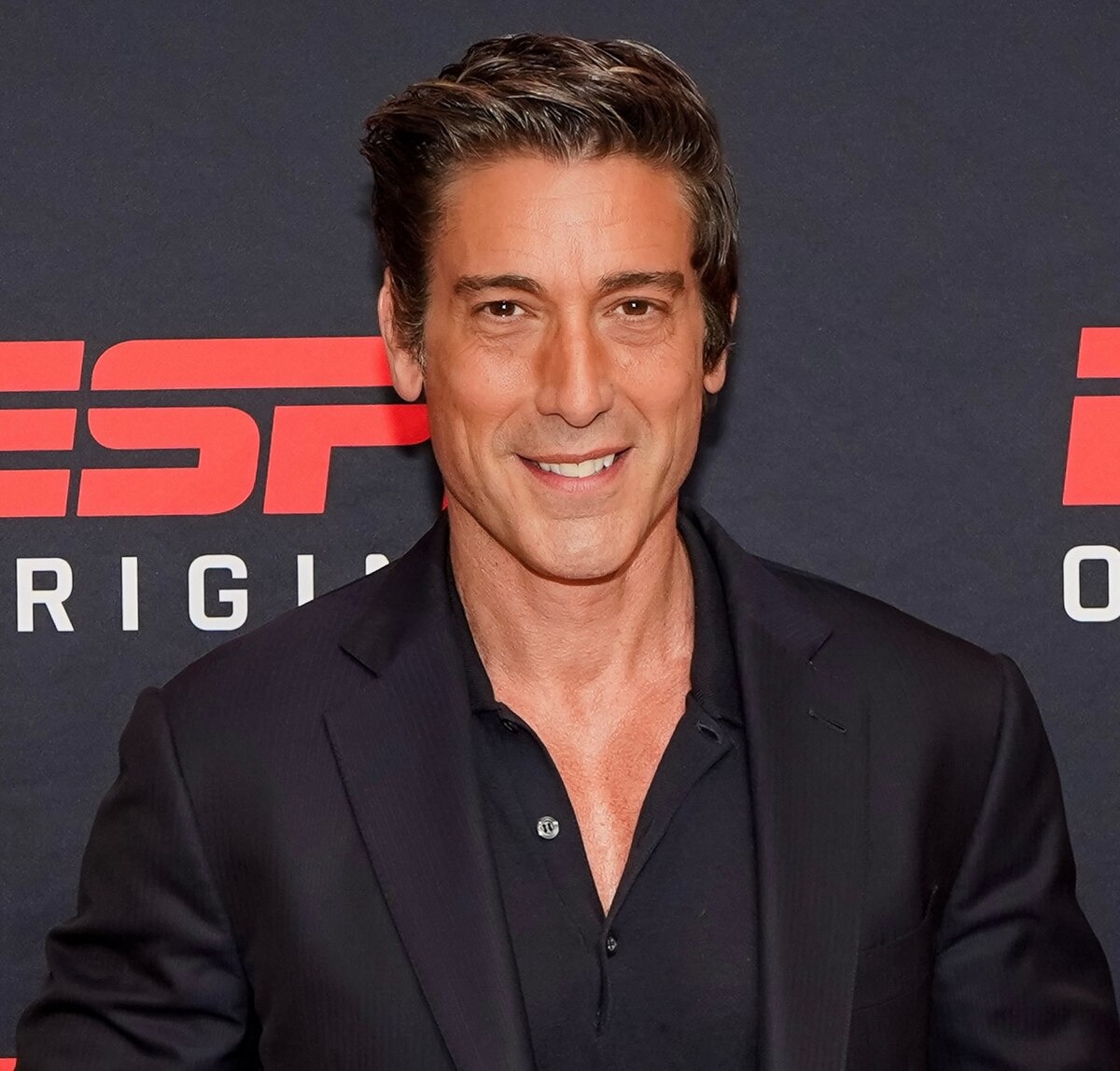
Fact-checkers quickly weighed in. Sites tracing the origins found the claims rooted in low-credibility blogs and viral posts, often recycling elements from earlier debunked rumors involving similar personalities. Variations named different platforms or swapped in hosts like Stephen Colbert, but lacked primary sources. Hashtags touted as trending turned out nonexistent, and alleged livestream views were unsubstantiated.
Insiders suggest the speculation reflects broader anxiety in television. With cord-cutting accelerating and trust in institutions waning, audiences crave alternatives. A platform free from ads and executive meddling appeals to those disillusioned with mainstream narratives. “It’s the dream scenario for many viewers,” one media analyst noted anonymously. “But dreams aren’t announcements.”
For now, the trio remains at their posts. Maddow continues her Monday show and podcasts, Muir delivers evening news with record viewership in pockets, and Kimmel hosts with renewed energy post-extension. Networks deny any departures, emphasizing ongoing commitments.
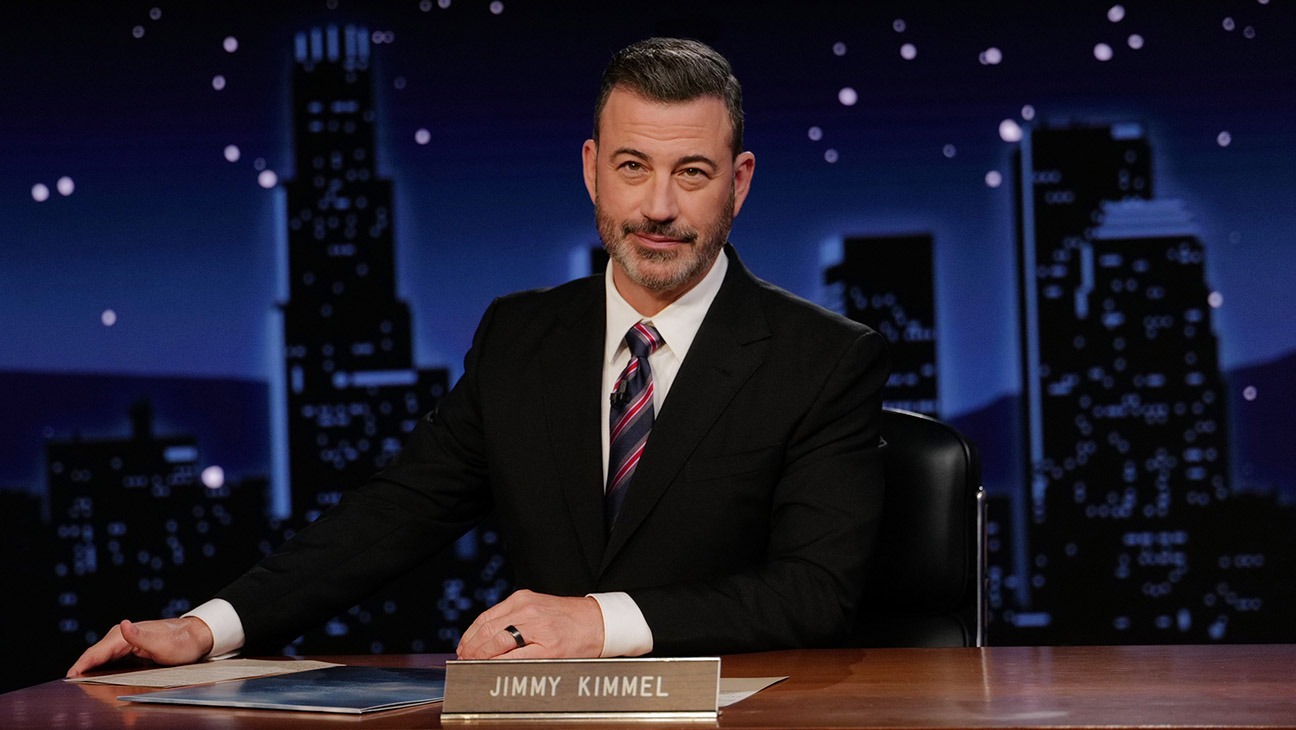
The viral frenzy highlights how quickly misinformation spreads in a fragmented media landscape. While no evidence supports a joint venture, the conversation has sparked real debate: Could independent models sustain big-name journalism? Would stars risk lucrative deals for uncertainty?
As 2025 closes, the supposed earthquake proves more mirage than reality. Fans hoping for radical change may need to wait—or support existing independent voices. In an era of endless rumors, this one captured imaginations but collapsed under scrutiny. Truth, it seems, still requires verification beyond viral claims.