


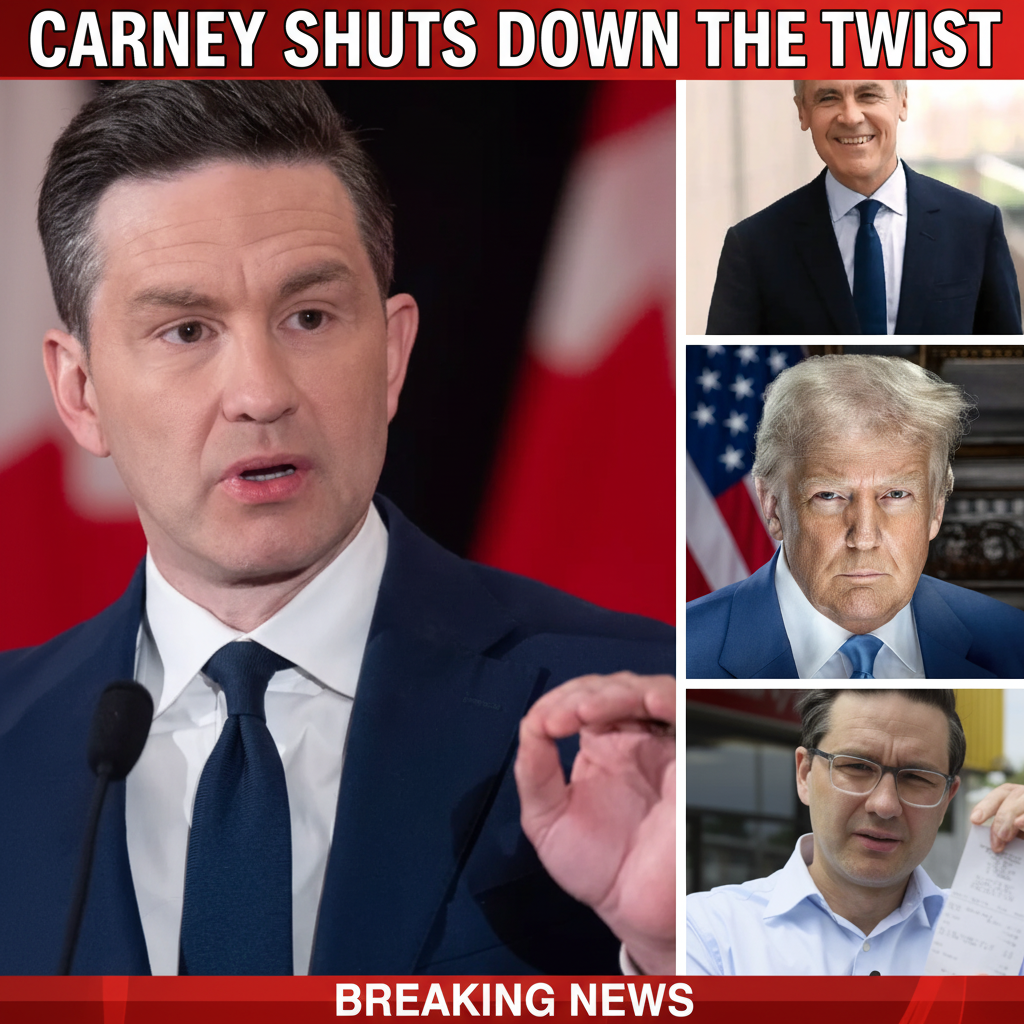
What was meant to be a damaging parliamentary ambush quickly turned into a cautionary tale for modern opposition politics. When Conservative leader Pierre Poilievre attempted to weaponize a clipped phrase from Mark Carney’s Johannesburg press conference, he assumed Canadians would only hear the echo, not the context. Instead, widespread access to unedited footage exposed the tactic as hollow—and the response from Carney’s team was swift, factual, and devastating. In a chamber long accustomed to political theater, the episode revealed something new: a growing gap between sound-bite politics and a public that now checks the tape.
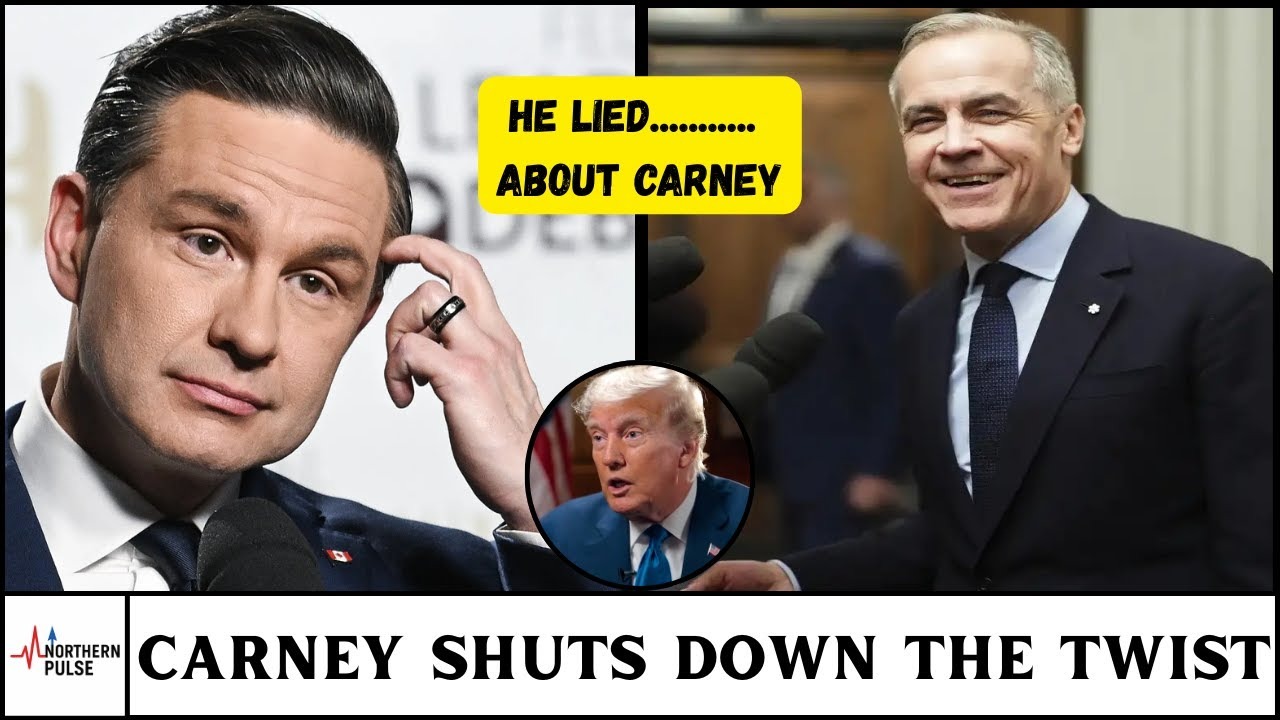
The phrase in question came from a press conference at the G20 summit in Johannesburg, where Carney was fielding a familiar line of questioning about Donald Trump. Asked—yet again—to comment on Trump’s rhetoric, Carney waved the question aside with a curt “Who cares?” before pivoting to Canada’s economic strategy, trade diversification, and investment agenda. The dismissal was not aimed at workers or families, but at what Carney clearly viewed as media fixation on personality over policy.
In Ottawa, that distinction mattered.

Poilievre’s decision to strip the phrase from its context reflected an older political instinct: repeat a line often enough, and it becomes reality. But in an era of instant video, searchable transcripts, and social media circulation, the tactic landed flat. Within minutes, clips of the full exchange were circulating online, undermining the opposition leader’s narrative in real time.
Carney’s team did not respond with outrage. They responded with receipts.
As Poilievre pressed his case, government ministers calmly dismantled the attack. Dominic LeBlanc, speaking with measured restraint, reminded the chamber that repetition does not transform misrepresentation into truth. His comment drew murmurs of approval, not because it was clever, but because it captured what many observers were already thinking.
Then came the facts.

François-Philippe Champagne followed with a detailed account of Canada’s recent engagement with U.S. officials, ongoing negotiations, and active measures to shield Canadian industries from tariff impacts. He cited investment flows, trade agreements, and policy initiatives that directly contradicted the suggestion of indifference or inaction. At one point, Champagne added a light remark about the opposition’s eagerness to manufacture outrage—an aside that drew laughter and further deflated the moment Poilievre had hoped to dominate.
What unfolded was less a clash of ideologies than a collision between two political styles.
On one side was Poilievre, leaning into performance, repetition, and emotional appeal. On the other was a government confident enough to let the record speak for itself. The contrast was stark. As the exchange continued, Poilievre appeared increasingly boxed in by his own framing, unable to escalate without further distancing himself from the documented reality.
Outside Parliament, the reaction was equally telling.
Canadians, accustomed to political spin, did not need intermediaries to interpret the exchange. Many had already watched the original Johannesburg press conference. They could see that Carney’s remark targeted media sensationalism, not public hardship. The gap between the opposition’s claim and the available evidence was too wide to ignore.
The episode highlighted a broader shift in political communication. In previous eras, selective quoting could dominate a news cycle. Today, context travels faster than distortion. Leaders who underestimate that reality do so at their own risk.
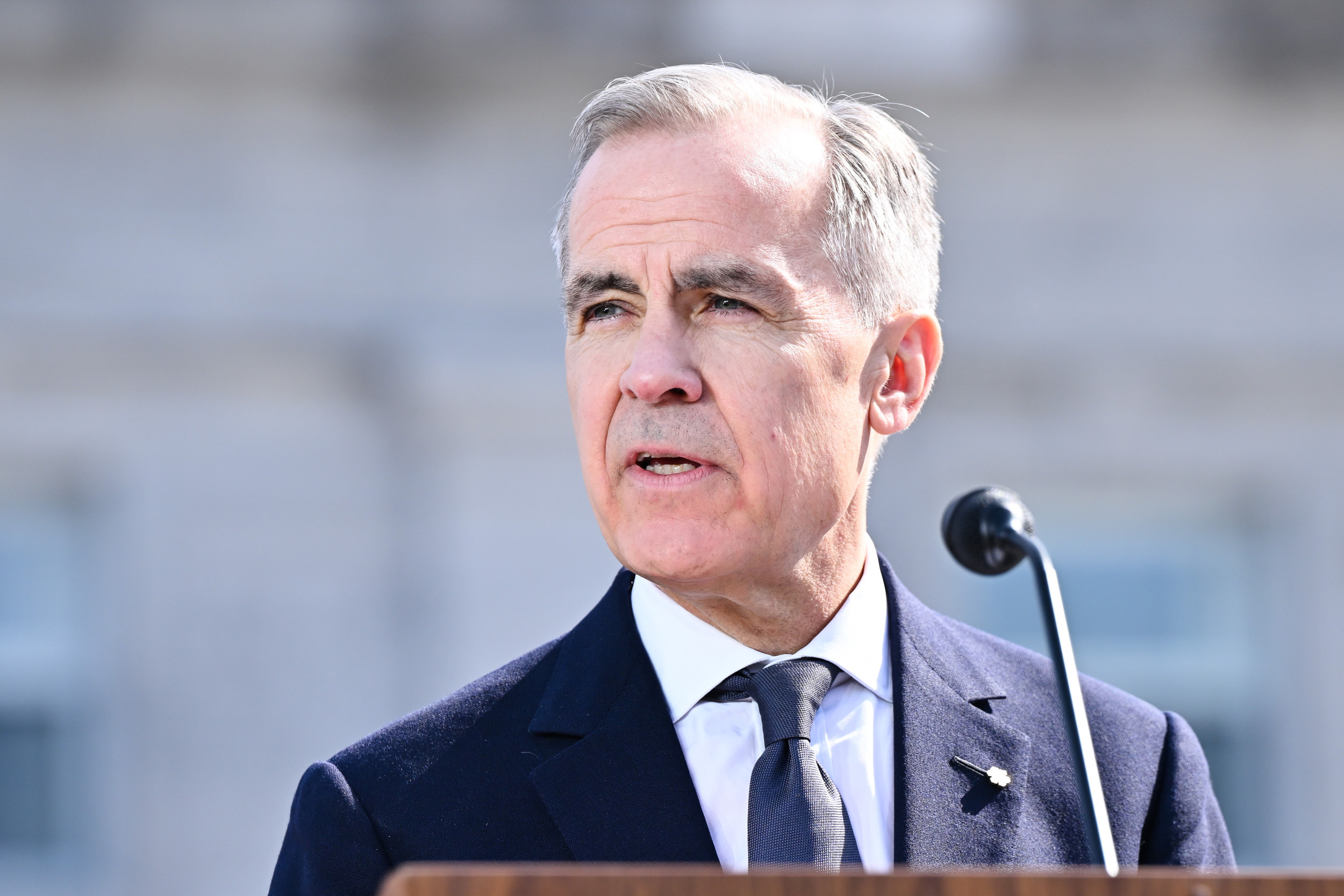
For Carney, the moment reinforced an image he has carefully cultivated: composed, globally focused, and largely uninterested in theatrical skirmishes. For Poilievre, it raised uncomfortable questions about strategy. If the sharpest attack collapses under basic scrutiny, what comes next?
By the end of the day, the narrative had flipped. What was intended as a scandal became a lesson. Not about a careless phrase, but about the limits of outrage politics in a media environment where the audience can—and increasingly does—check the source.
In that sense, the parliamentary exchange may mark more than a failed attack. It may signal a subtle recalibration in Canadian politics, where leadership is judged less by volume and more by substance—and where context, once lost, now has a way of finding its way back.