


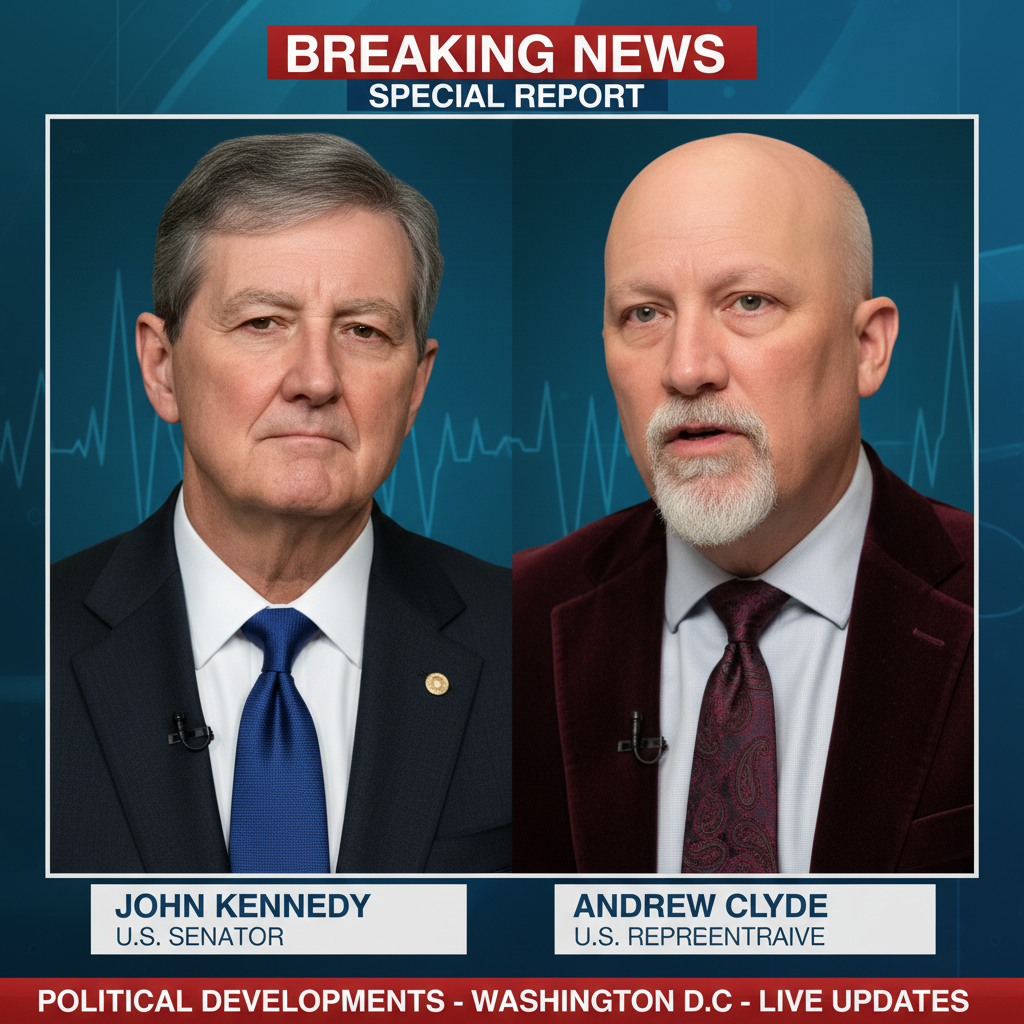
Introduction: The Launch of the American Sharia Freedom Act
In an explosive move that has rocked Washington, Representatives Chip Roy (R-TX) and John Neely Kennedy (R-LA) introduced the U.S. Courts Act of 2025, quickly dubbed the “American Sharia Freedom Act.” The bill, which aims to prohibit federal courts from enforcing any foreign legal system that conflicts with U.S. constitutional rights, has triggered a firestorm of political and public reactions.
The bill specifically targets Sharia law, a legal system followed by some Muslim-majority countries, while also addressing any foreign legal systems that might infringe upon the American constitution. The introduction of the bill has reignited the ongoing debate over the separation of church and state, religious freedoms, and the protection of American sovereignty in the face of global influences.
This article explores the implications of the American Sharia Freedom Act, its potential effects on the U.S. legal system, the political fallout from both sides, and the deep divide that this controversial proposal has created in the national conversation.
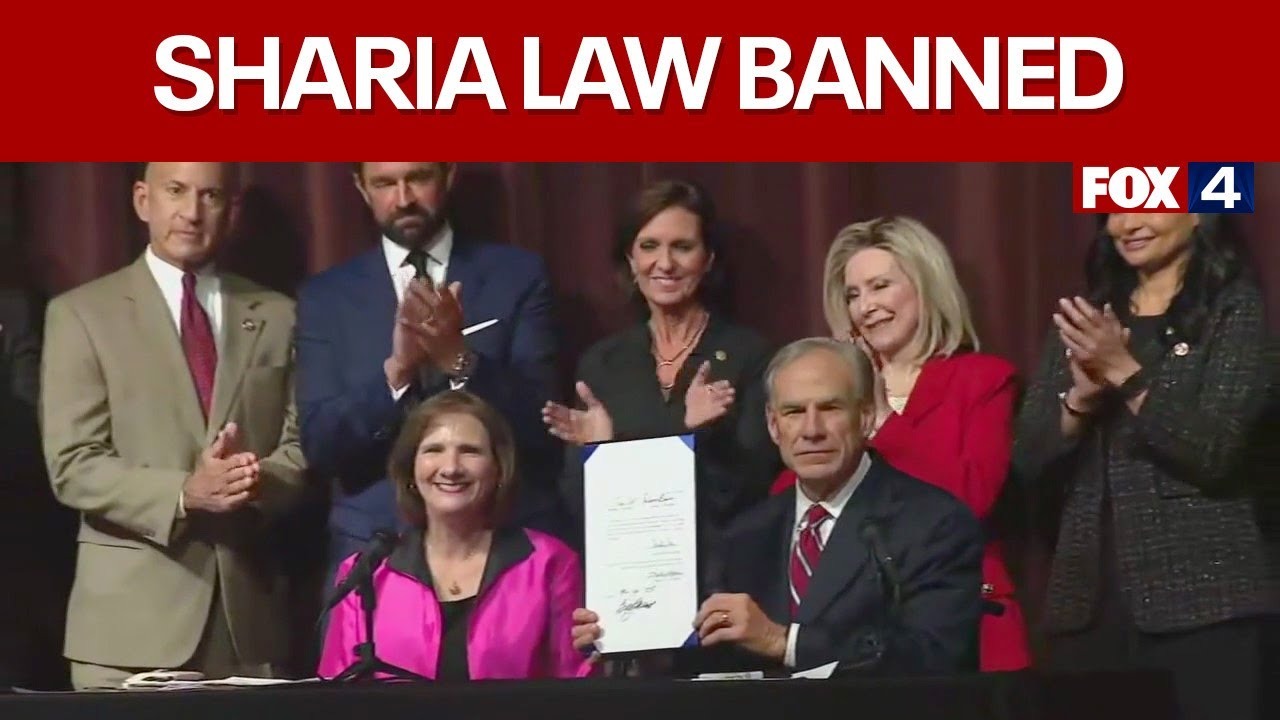
The American Sharia Freedom Act: Key Provisions and Objectives
The American Sharia Freedom Act is centered around one primary goal: to safeguard American constitutional rights from foreign legal systems that may contradict or undermine them. The bill outlines several key provisions:
Prohibition of Foreign Legal Systems: The bill states that no foreign legal system, including Sharia law, should be enforced by U.S. courts if it violates the principles enshrined in the U.S. Constitution. This includes legal systems that may support practices deemed unconstitutional in the United States, such as gender discrimination or the restriction of free speech.
Religious Freedom Clause: The bill clarifies that it does not seek to infringe upon the religious freedom of individuals. Religious practices will remain protected under the First Amendment, but the enforcement of religious legal systems in U.S. courts will be restricted if they conflict with constitutional values such as equality and freedom.
Focus on Gender Equality and Free Speech: The bill emphasizes the importance of upholding gender equality and freedom of speech, which some foreign legal systems may undermine. For example, the application of Sharia law in certain contexts has been criticized for its treatment of women, including practices such as stoning, forced marriage, and restrictions on personal freedom.
Legal Accountability: The bill sets up mechanisms for enforcing these provisions, ensuring that no foreign legal system can override U.S. law. This could involve penalties for those attempting to bring foreign legal claims that violate American constitutional principles.
The bill seeks to prevent any foreign ideology from superseding U.S. legal principles, ensuring that American citizens are protected under a uniform set of laws that align with democratic values.
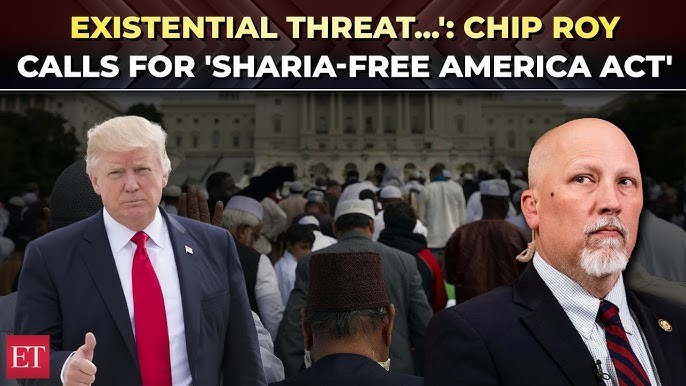
Political Reactions: Dividing the Nation
The introduction of the American Sharia Freedom Act has sparked an intense political divide. Supporters of the bill, including many conservative voices, have hailed it as a necessary measure to preserve the integrity of the U.S. legal system and protect the Constitution from foreign influences. They argue that the U.S. should not be subjected to foreign laws, particularly when those laws could infringe upon the rights of American citizens.
Representative Chip Roy, one of the bill’s sponsors, stated that no American should face “medieval law” that discriminates against women or punishes free speech and beliefs. He emphasized that the bill is not an attack on religion but rather a defense of constitutional values that Americans hold dear. Roy and Kennedy believe the bill is long overdue, considering the increasing number of cases where foreign laws have been applied to U.S. court decisions, particularly in areas involving family law and religious arbitration.
On the other hand, opponents of the bill, including many progressives and civil rights groups, have criticized it as an overreach and an unnecessary targeting of a specific religious community. They argue that the bill unfairly stigmatizes Muslims and could lead to greater discrimination and Islamophobia. Critics also contend that the bill could set a dangerous precedent by allowing the government to dictate which religious practices are permissible, potentially infringing on Americans’ right to freely practice their religion.
The Role of Religion in Politics: A Contentious Issue
The debate over the American Sharia Freedom Act also touches on deeper questions about the role of religion in politics. In a country founded on the principle of religious freedom, many argue that the government should not impose limitations on individuals’ religious practices unless they directly harm others or conflict with public order. The First Amendment guarantees the right to freely practice one’s religion, and many see the bill as an infringement on that freedom.
However, supporters of the bill argue that the Constitution’s protections do not extend to legal systems that violate the rights of others. They assert that religious freedom must not be used as an excuse to justify practices that go against fundamental principles of equality and human rights. The clash between religious liberty and constitutional rights is at the heart of the debate over this bill.
Public Opinion: A Divided Nation
A recent poll shows that 68% of Americans, including many Democrats, support banning foreign doctrines that violate constitutional protections. The poll results suggest that while the American Sharia Freedom Act is a controversial proposal, a significant portion of the public believes that U.S. courts should not enforce foreign legal systems that conflict with constitutional rights.
The support for the bill is particularly strong among conservative and right-wing voters, who see it as a safeguard against what they perceive as a growing threat from foreign ideologies that may undermine American values. However, progressives argue that the bill is a thinly veiled attack on Muslims and religious minorities, painting a target on a specific group of people in the name of national security.
The bill’s passage could have significant consequences for both the legal and political landscape of the United States. If enacted, it could reshape the way courts handle cases involving religious laws and foreign legal systems, potentially leading to a broader reassessment of how religious and cultural practices are treated under U.S. law.
The Political Strategy: Part of a Larger Agenda?
Some political analysts suggest that the American Sharia Freedom Act is part of a larger Republican strategy to rally the base ahead of the 2024 and 2028 elections. By positioning themselves as defenders of American values against foreign influence, conservative lawmakers like Roy and Kennedy may be attempting to galvanize voters who are concerned about the country’s changing demographic and cultural landscape.
The bill also fits within the broader Republican narrative of defending traditional values and opposing progressive policies that they see as undermining the nation’s identity. As the U.S. becomes more diverse, with a growing number of immigrants from Muslim-majority countries, conservative politicians may see this bill as a way to appeal to their base by drawing clear lines between American values and foreign influences.
What’s Next for the American Sharia Freedom Act?
The American Sharia Freedom Act has set the stage for a lengthy political battle, with both sides preparing for intense lobbying and public campaigns to sway public opinion. Supporters will likely continue to push for the bill’s passage, arguing that it is a necessary measure to protect American values and uphold the Constitution. Opponents, however, will likely mount a legal and public relations campaign to challenge the bill’s constitutionality and its potential to exacerbate discrimination.
As the bill progresses through Congress, it will continue to spark debates over religious freedom, national security, and the future of American democracy. Whether the bill becomes law or not, it will undoubtedly shape the national conversation on these critical issues for years to come.
Conclusion: The Battle for America’s Legal Future
The introduction of the American Sharia Freedom Act has brought to the forefront key questions about the role of religion, foreign legal systems, and constitutional rights in the United States. While the bill has garnered significant support from conservative circles, it has also faced fierce opposition from those who see it as a threat to religious freedom and a tool for discrimination.
As the debate continues, the outcome of this legislative battle could have far-reaching consequences for the future of American law and politics. The nation remains divided on the issue, and only time will tell how the American Sharia Freedom Act will ultimately shape the legal landscape and the political discourse surrounding religious freedom in the U.S.