


A major aerospace giant’s strategic pivot northward is igniting a fierce debate over the future of American industrial policy and global competitiveness. Boeing’s deepening investment footprint in Canada, underscored by a new multi-million dollar simulation center for V-22 Osprey training in Quebec, is being interpreted by industry analysts as a stark warning to U.S. policymakers. While the company maintains its massive U.S. manufacturing base is not at immediate risk, the consistent choice to expand critical operations across the border highlights a growing competitive disparity.

The newly inaugurated Blue Drop simulation facility in Mirabel, Quebec, represents more than just advanced technology for training military crews. It symbolizes a broader pattern of Canadian success in attracting high-value aerospace projects. Political and industry leaders in Canada have cultivated a reputation for long-term planning, investment security, and regulatory collaboration that major corporations find increasingly attractive. This approach provides a stable environment for complex, multi-year industrial projects.
In contrast, the business landscape in the United States is often characterized by what executives describe as a challenging mix of political uncertainty, stringent regulations, and protectionist trade policies like high tariffs. While designed to shield domestic industries and jobs, these measures can inadvertently raise costs, disrupt supply chains, and create a climate of unpredictability that complicates long-term capital planning. The contrast in governmental posture is becoming a decisive factor in corporate investment decisions.
Boeing’s commitment to its American workforce and manufacturing heartland remains substantial, with tens of thousands of employees across Washington, South Carolina, and other states. The company continues to deliver aircraft from its U.S. factories to global customers, and its domestic engineering expertise is irreplaceable. Officials stress this is not a zero-sum relocation but a strategic diversification of operations to mitigate risk and enhance efficiency across North America.

However, the sustained direction of investment flows tells a compelling story. Canada’s federal and provincial governments actively partner with aerospace firms, offering predictable incentives and a focus on smoothing the path for both research and development and final assembly. Their strategy explicitly links defense and commercial aviation, fostering technological cross-pollination and a more resilient industrial ecosystem. This consistent, partnership-driven model is paying dividends.
The U.S. approach, meanwhile, is frequently perceived as more reactive and bureaucratic. Policy shifts can occur with changes in administration, and legislative debates often inject volatility into long-term industrial planning. For a company like Boeing, which operates on decades-long product cycles, such instability represents a significant operational and financial risk that must be managed.

Industry experts warn that the cumulative effect of these pressures could gradually erode the United States’ premier position in aerospace. While an immediate, wholesale exodus is not occurring, the incremental movement of high-tech projects, research centers, and advanced manufacturing cells to more hospitable jurisdictions weakens the domestic industrial base over time. This “quiet leakage” of capability is a central concern for national security and economic leadership. The simulation investment in Quebec is a case study in this dynamic. Such facilities are not mere training tools; they are hubs for data analytics, software development, and human-machine interface innovation—all growth sectors within aerospace. By placing this capability in Canada, Boeing is also planting the seeds for future adjacent technologies and talent development outside the United States.
This trend extends beyond Boeing, as other multinational corporations make similar calculations about where to build next-generation facilities. The message from corporate boardrooms is clear: predictability and partnership are paramount. Nations that provide these conditions will continue to win a disproportionate share of new capital investment, regardless of an existing industrial base’s size.
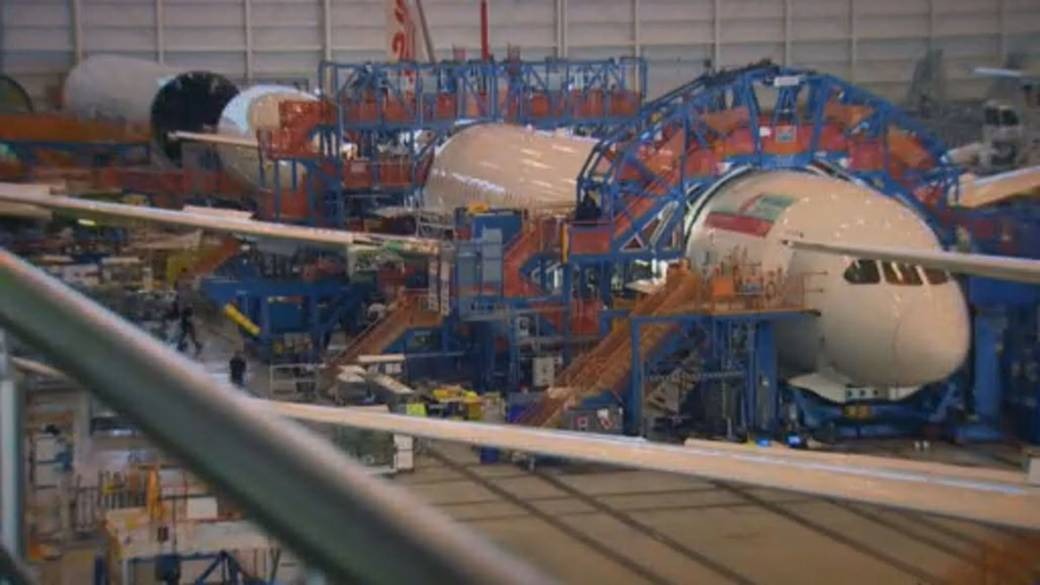
For American policymakers, Boeing’s Canadian investments serve as a critical market signal. Policies intended to protect domestic industry must be carefully calibrated to avoid incentivizing the very offshoring they seek to prevent. The challenge is to foster an environment that is both pro-worker and pro-business, ensuring that cutting-edge manufacturing and its associated high-wage jobs remain anchored on U.S. soil. The coming years will test the resilience of the U.S. aerospace ecosystem. Competing in a global market requires not only historical advantage but also forward-looking policy that supports innovation, supply chain stability, and competitive cost structures. Canada has demonstrated a successful model centered on collaboration and strategic support.
Boeing’s growing Canadian portfolio is a wake-up call written in multi-million dollar commitments. It underscores that industrial leadership is not a permanent state but a position that must be actively maintained and nurtured through smart, consistent policy. The competition for the future of aerospace is underway, and the rules of engagement are being written today in boardrooms and government offices on both sides of the border.
The ultimate impact on U.S. manufacturing is not yet a story of collapse, but one of concerning erosion. The pace of that erosion will be determined by the responsiveness of American leadership to these clear market signals. Without a concerted effort to enhance competitiveness and reduce friction, the United States risks ceding ground in one of the most critical, high-value sectors of the modern economy. The strategic decisions made now will echo for decades in the balance of aerospace power