



CNN medical analyst Dr. Jonathan Reiner said he was deeply troubled after watching President Donald Trump’s recent White House address, describing the president’s behavior and delivery as unlike anything he had seen before. While Trump’s nearly 20-minute speech on Wednesday night largely revisited familiar talking points about the economy, immigration, and criticism of his predecessor, Reiner emphasized that it was not the substance of the remarks that alarmed him, but the manner in which they were delivered.
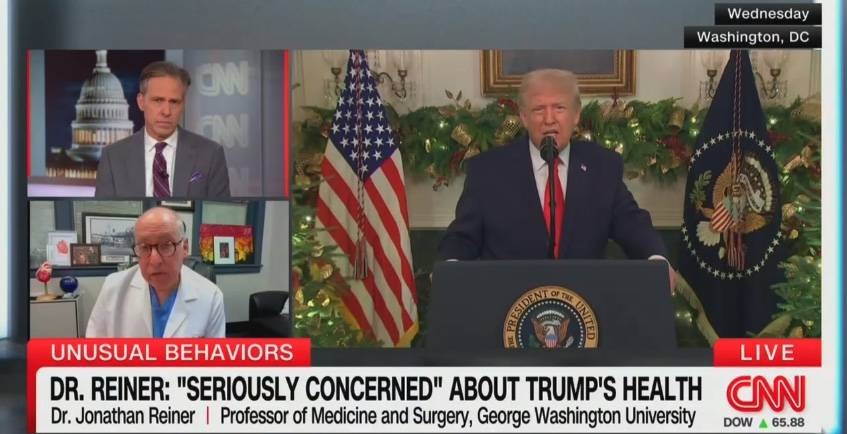
Trump’s speech immediately drew attention on social media, where viewers began questioning whether something seemed off about the president. Many noted that he spoke in an unusually loud, rapid, and halting tone. According to Reiner, a cardiologist and professor of medicine and surgery at George Washington University, those concerns were not unfounded. He said the president appeared noticeably different from how he has presented himself in the past, even during his most controversial or impassioned speeches.
Reiner’s concerns became public through a series of posts he shared during and after the address. In one post, he wrote that he was “seriously concerned about the health of the president.” In another, he added that “no one should be happy to see the president like this,” remarking that Trump “looks unwell.” Those statements caught the attention of CNN anchor Jake Tapper, who addressed them directly during Thursday’s edition of The Lead.
Tapper asked Reiner to clarify what, specifically, stood out to him while watching the president’s speech. He acknowledged that Trump has long been known for giving provocative and unconventional addresses, often filled with exaggeration and inflammatory rhetoric. Tapper asked why this particular appearance struck Reiner as different from Trump’s past behavior.
Reiner responded that the issue had nothing to do with the content of the speech, which he described as standard material the public has grown accustomed to hearing from Trump. Instead, he said it was the delivery that raised red flags. Reiner described Trump’s speaking style as having a “manic cadence,” explaining that it felt unusually fast, pressured, and almost frantic.
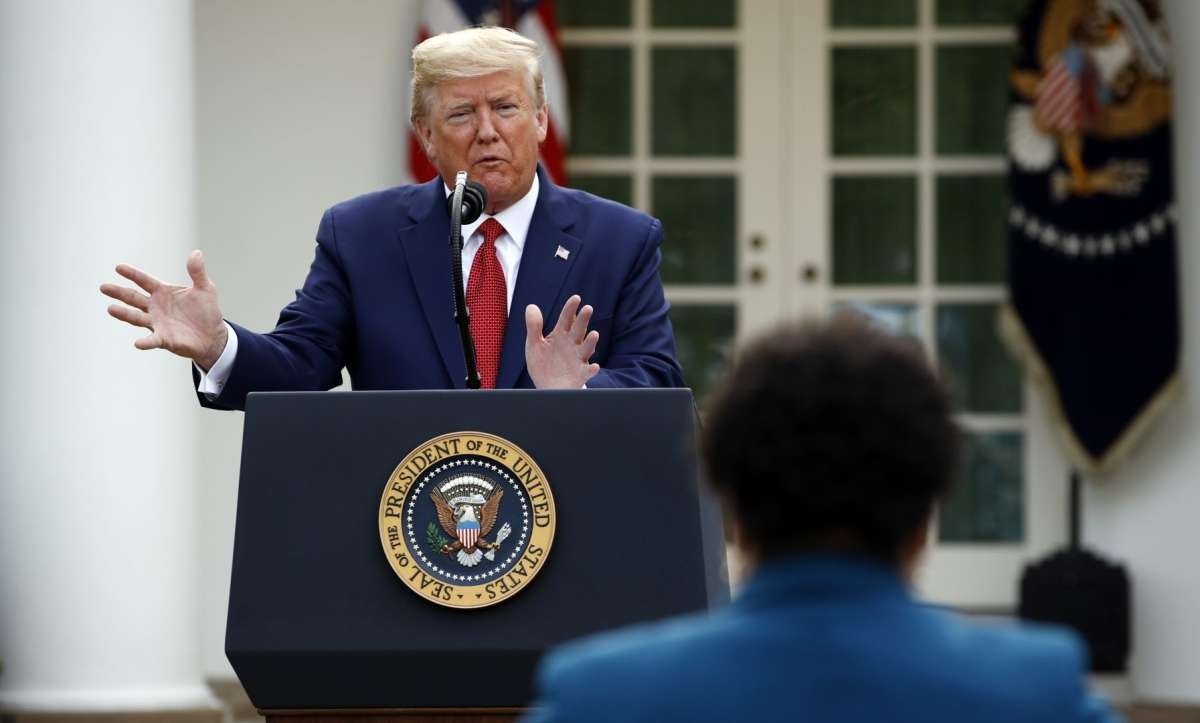
He compared the experience of listening to the speech to hearing a podcast played at double speed. According to Reiner, the president’s words came out rapidly and forcefully, creating a sense of urgency that felt unnatural and uncontrolled. He said the pressurized nature of the speech was deeply unsettling, particularly given the role Trump occupies.
As the address went on, Reiner said, the pace of Trump’s speech appeared to accelerate even further. The president seemed increasingly keyed up, almost breathless, which only heightened Reiner’s concern. He emphasized that this was not simply a matter of style or personality, but something that appeared physically and neurologically concerning.
Reiner said he had never seen the president present himself in this way before. He described Trump as seeming almost frantic, a word he repeated to underscore how unusual the behavior appeared to him. The moment was especially disturbing, Reiner explained, because Trump is not just a political figure or head of government. As commander in chief, he holds authority over the most powerful military force in the world. Seeing someone in that position appear so agitated and uncontrolled, Reiner said, was deeply troubling.
Tapper then pointed to another concerning detail that viewers had noticed earlier in the day. He referenced video footage showing Trump appearing to struggle to keep his eyes open, raising questions about fatigue or underlying health issues. Tapper asked Reiner to respond to those observations and explain what they might indicate.
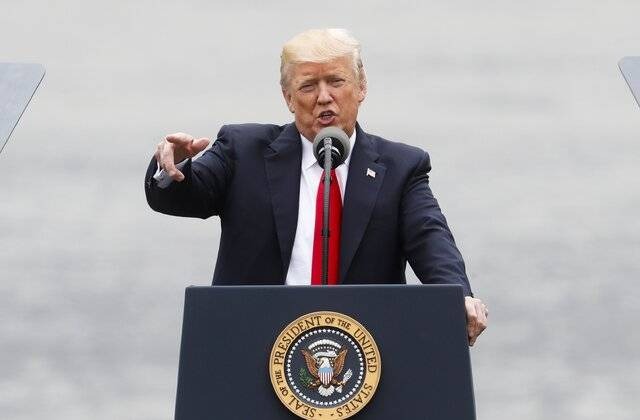
Reiner said the president has displayed similar behavior several times in recent weeks. He noted that Trump has appeared to fall asleep in the Oval Office, even in crowded settings. According to Reiner, there have also been instances in which the president seemed to nod off during cabinet meetings, including moments when people were speaking directly to him.
Reiner explained that this pattern is consistent with a condition known as increased daytime somnolence, which refers to excessive sleepiness during the day. He said there are multiple potential causes for this condition, one of the most common being sleep apnea. People with sleep apnea often wake up repeatedly during the night without realizing it, preventing them from getting restorative sleep and leading to significant daytime fatigue.
Sleep apnea, Reiner noted, is typically treated with the use of a CPAP machine or mask, which helps keep the airway open during sleep. However, he pointed out that the public has never been told that Trump has been diagnosed with sleep apnea or that he uses a CPAP device. Without official information from the White House, Reiner said, it is impossible to know the exact cause of the president’s symptoms.
What made the situation even more jarring, according to Reiner, was the dramatic contrast between Trump appearing nearly asleep earlier in the day and then delivering an extremely fast-paced, high-energy speech later that night. He observed that Trump managed to compress what would normally be a 30-minute address into roughly 18 minutes, speaking at a relentless pace that appeared physically taxing.
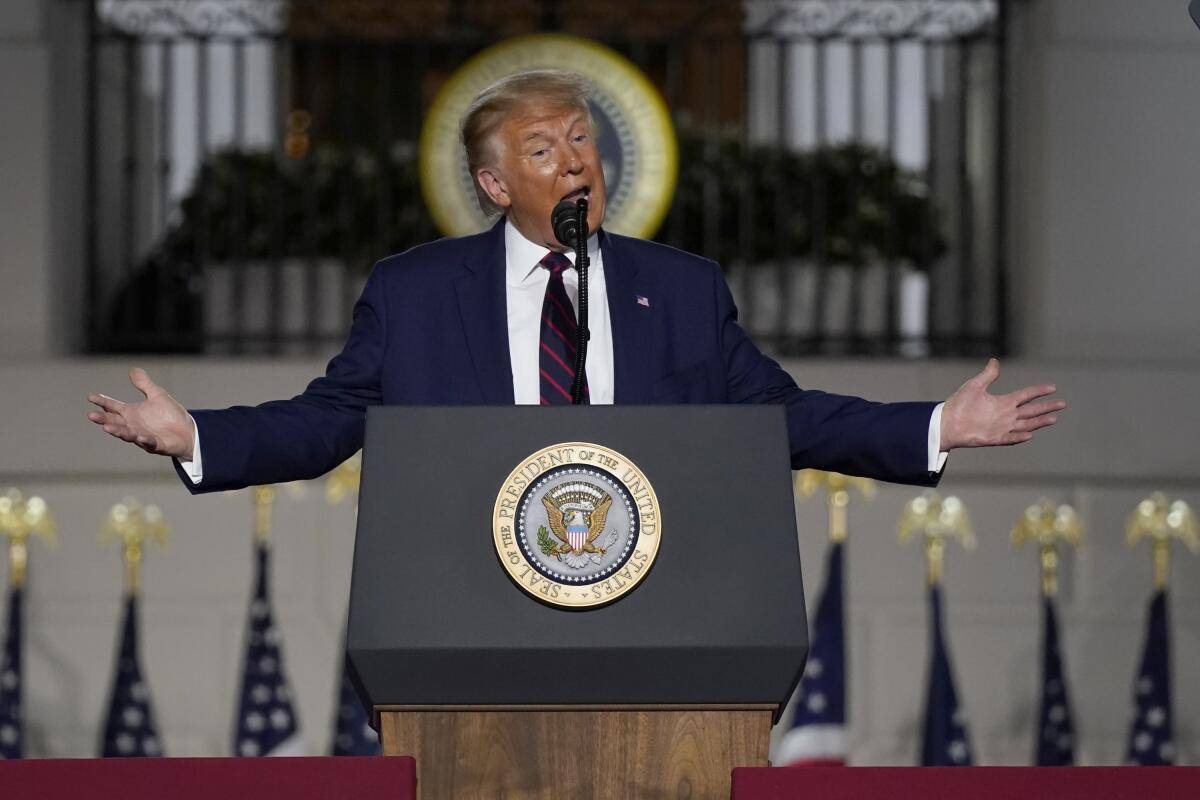
Reiner reiterated that his comments were not meant to mock or ridicule the president. On the contrary, he stressed that no one should take pleasure in seeing the president appear unwell. He framed his concern as a matter of public interest and national security, given the immense responsibilities of the presidency.
He also criticized the White House for what he described as a lack of transparency regarding Trump’s health. Reiner said the administration should be more forthcoming about the president’s medical condition, particularly in light of visible issues such as a bruised hand and swollen ankles, which have also drawn public speculation.
According to Reiner, greater openness would help ease concerns and prevent unnecessary rumors. He suggested that withholding information only fuels speculation and undermines public trust. As a physician, he said, he believes the American people deserve clear and honest communication about the health of their commander in chief.
The segment added to growing public discussion about Trump’s physical and mental well-being, especially as his appearances continue to be closely scrutinized. While Trump has long defied conventional expectations for presidential behavior, Reiner’s remarks suggested that what viewers saw during this particular address went beyond the norm.
Ultimately, Reiner said his reaction came from a place of genuine alarm rather than political disagreement. Watching the president struggle with apparent fatigue at one moment and then display what he described as manic energy at another raised serious questions for him as a medical professional. As he made clear during the interview, the stakes are simply too high for such signs to be ignored.