


A profound and alarming breakdown in Canada’s natural gas market is sending shockwaves through the nation’s energy sector and threatening household budgets. The crisis, marked by unprecedented negative pricing in Alberta and soaring costs at pumps nationwide, reveals a system pushed beyond its limits.
For an astonishing fourth consecutive day, the price for Alberta’s benchmark natural gas plunged below zero, reaching as low as negative $1.50 per gigajoule. This is not mere volatility but a catastrophic signal of physical gridlock. Producers are effectively paying to have their gas taken away, a scenario that underscores a market with nowhere to breathe.
The immediate cause is a perfect storm of overproduction and constrained infrastructure. The ramp-up of the massive LNG Canada export project in British Columbia spurred producers to increase supply in anticipation of new demand. However, that export capacity is not yet fully online, creating a domestic glut.
Compounding the issue, an extended season of unseasonably warm weather across Western Canada has drastically reduced home heating demand. Furnaces have remained off, leaving storage facilities full and the market drowning in excess supply. This timing mismatch has been devastating.
“Producers are still flowing gas into a negative price environment because stopping is actually worse than bleeding,” one analyst stated, referring to the severe technical and financial risks of shutting in wells. “That’s not strategy. That’s just brutal survival math.”
While the negative prices are a western phenomenon, the financial pain is spreading coast to coast. Drivers are facing staggering increases, with gasoline prices edging toward two dollars a liter in cities like Vancouver and Windsor. Utility companies are warning of significant hikes in monthly heating bills.
Enbridge has notified Ontario customers to expect annual increases between $7 and $44. Manitoba Hydro forecasts average bills rising nearly nine percent, with higher-volume users seeing jumps closer to twenty percent. The ripple effect of market instability is hitting Canadian consumers directly. Further squeezing the system, planned pipeline maintenance has reduced critical takeaway capacity from Alberta. This trapped even more gas within the province, violently disconnecting its price from the North American benchmark and exacerbating the collapse.
“This isn’t traders playing games. This is steel and capacity dictating outcomes,” the analysis continued. “When egress tightens, even profitable producers are forced into loss-making sales. They’re not being inefficient. They’re just trapped.”
The crisis exposes a deeper, structural vulnerability in North America’s energy landscape. Over the past decade, natural gas demand has surged approximately 60 percent, while storage capacity has remained stagnant. The system’s shock absorber has shrunk, making it acutely sensitive to any imbalance. This loss of flexibility means the market now reacts with violent volatility to every shift in weather or supply. The stability once provided by storage is gone, replaced by a twitchy system where prices must swing wildly to force immediate changes in production.
As the continent stares down winter, the risks are magnified. A late start to the cold season would keep storage full, forcing prices down to induce production cuts. An early and severe winter, however, could trigger a frantic scramble for gas and send prices to premium levels almost overnight.
“The market now demands precision,” the analyst warned. “Any distortion in timing triggers sharp moves because the buffer’s gone. It’s not drama, it’s math.”
Beyond the immediate price chaos lies a more insidious threat: a collapse in investor confidence. Persistent negative prices and extreme volatility make long-term planning impossible. Capital expenditure stalls, rigs stand idle, and projects are delayed, potentially undermining future energy security.
The situation stands in stark contrast to the energy crisis in Europe, where prices have skyrocketed due to supply shortages. Canada’s chaos is born of a paradoxical surplus and infrastructural paralysis, yet the outcome for consumers—soaring costs—feels equally punishing.
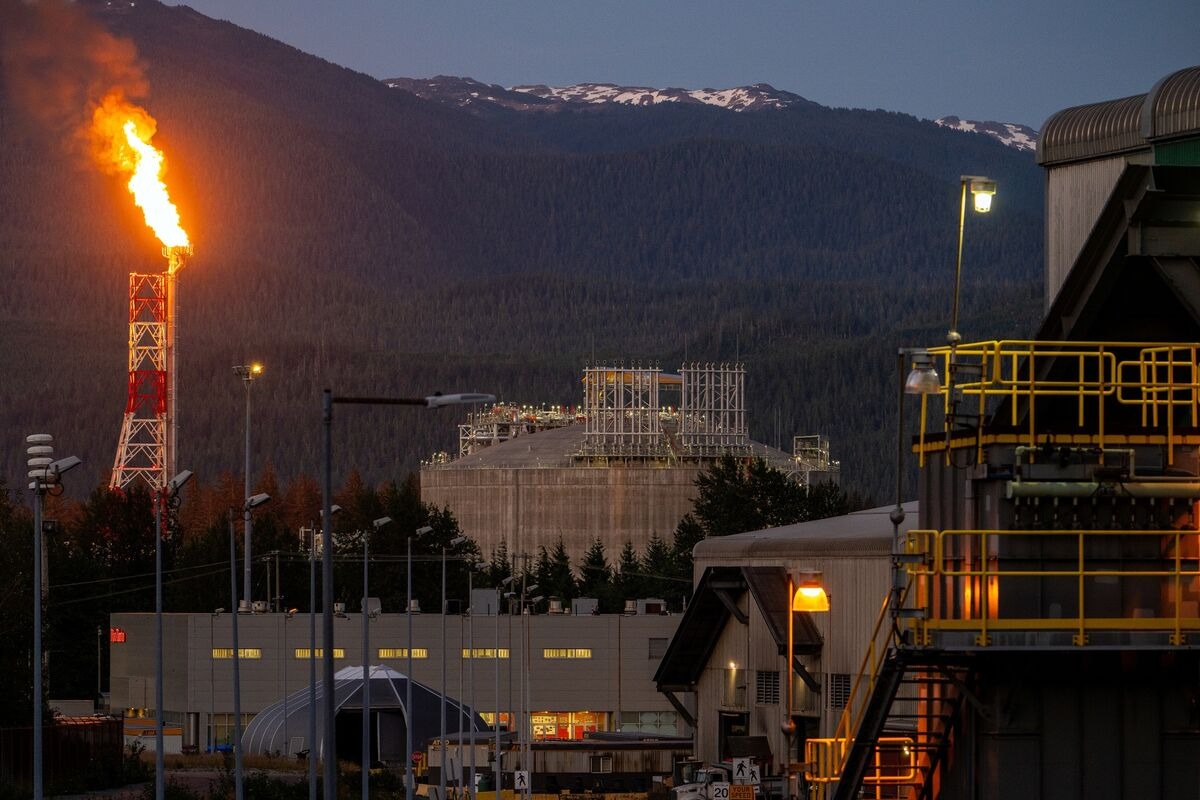
Officials and some forecasters maintain that the negative pricing is a temporary dislocation that will correct as LNG Canada reaches full capacity and winter demand arrives. However, the damage inflicted by weeks of market failure is real and immediate.
For now, Canada’s energy heartland is caught in a vise of its own making, a stark lesson in what happens when market expectations sprint ahead of physical reality. The entire nation is now bracing for the financial consequences and an uncertain winter where the only certainty appears to be volatility.