


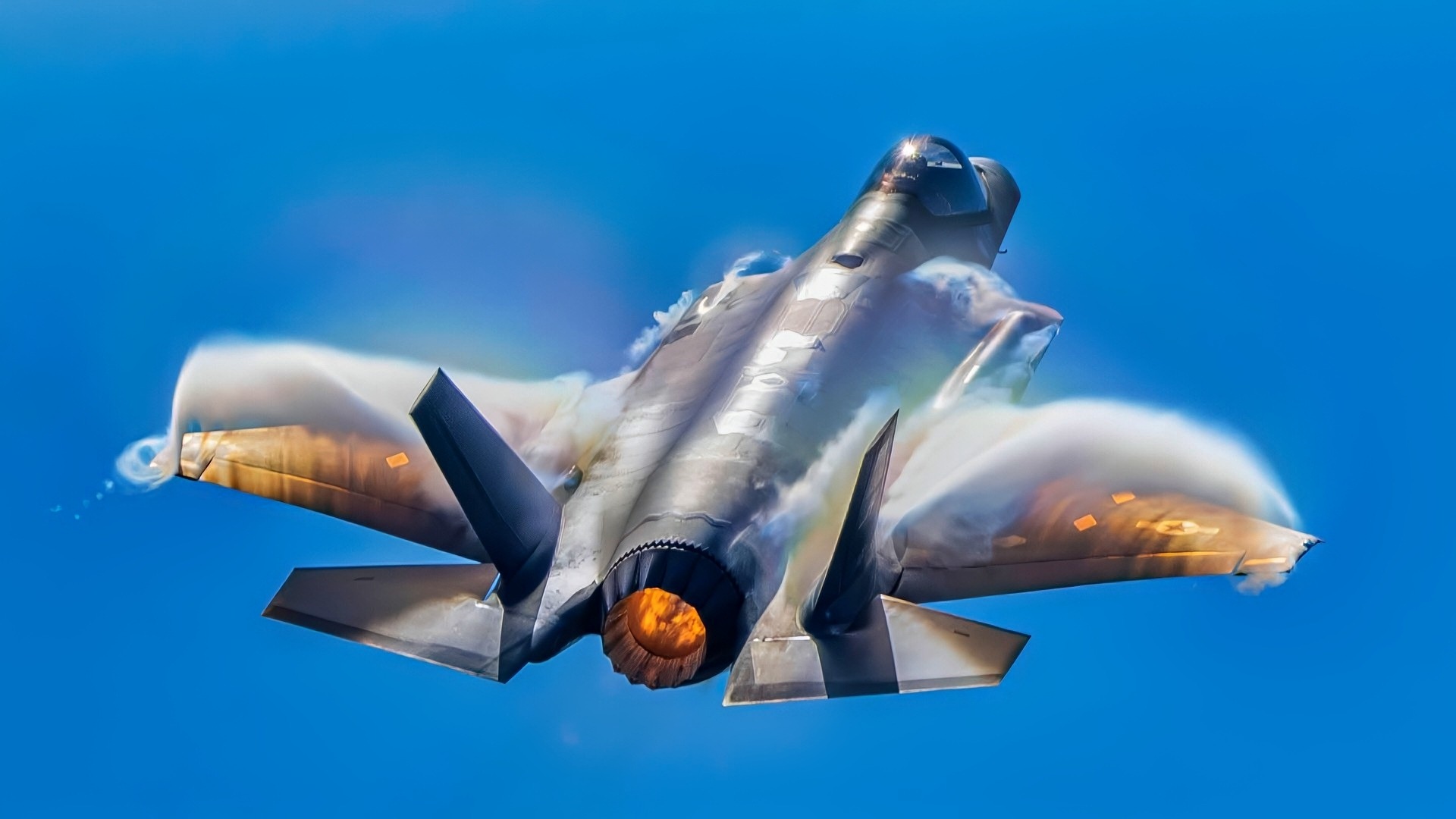
A long-standing pillar of Canadian defense and foreign policy has fractured, sending shockwaves through Ottawa and Washington as the nation’s commitment to the F-35 fighter jet program faces an unprecedented and public reckoning.
For years, the deal to acquire the Lockheed Martin-built stealth fighter was considered settled, a multi-billion dollar testament to alliance loyalty and military interoperability. That assumption has now been shattered by a quiet but seismic shift in Canada’s strategic calculus, exposing deep frustrations over sovereignty, jobs, and control.

The turning point arrived not with a dramatic press conference but in measured parliamentary testimony. Foreign Minister Mélanie Joly delivered a pointed critique, stating Canada had not seen sufficient industrial benefits from its decades-long partnership in the F-35 program. Her words carried extraordinary weight, signaling that symbolic participation was no longer acceptable.
“Canadians expect more,” Joly stated, framing the issue as one of tangible returns on investment. Canada, an early program partner, has contributed funding and political capital for years, anticipating deep integration into the global supply chain and high-value manufacturing roles.
Instead, Canadian firms have largely been relegated to subcontracting work—supplying parts without owning the intellectual property or controlling the ecosystem. The core research, software, and system integration remain firmly anchored in the United States.
Joly’s testimony acted as a signal flare, and an immediate answer emerged from an unexpected quarter. Sweden’s Saab presented a formal, detailed proposal for its Gripen E fighter that fundamentally rewrote the rules of engagement for Canadian defense procurement.

The headline figure was staggering: up to 10,000 high-tech jobs. The true disruption, however, lay in the structure. Saab offered a full “Gripen for Canada” production line on Canadian soil, supported by comprehensive technology transfer, training, and a domestic supplier network.
This was not an offer to assemble kits or manufacture components. It was an invitation to transition Canada from a perpetual buyer to a sovereign builder, capable of maintaining, modifying, and upgrading its fleet independently for decades.
The proposal directly targets Canada’s growing unease with dependency. The Gripen’s open-architecture design allows for the integration of non-proprietary systems and weapons, a stark contrast to the F-35’s tightly controlled software ecosystem governed by Lockheed Martin and the Pentagon.
With the F-35, critical software updates, diagnostics, and even certain repairs require external authorization. For Canada, this translates to limited sovereignty over its own fleet, where control is shared unequally with a foreign gatekeeper.

Capability comparisons further fueled the debate. Analysts note the Gripen’s design aligns with Canada’s core missions: vast territorial defense, Arctic patrols, and operations from dispersed, austere locations. The aircraft is engineered for extreme cold and short runways.
Operating cost disparities are equally dramatic. Estimates place the Gripen’s cost at roughly $8,000 per flight hour. The F-35’s cost ranges between $35,000 and $47,000 per hour, a difference that severely impacts training and readiness over a fleet’s lifespan.
Officially, Washington’s concern centers on NATO and NORAD interoperability, where common platforms streamline joint operations. Unofficially, the reaction reflects a deeper anxiety about the F-35’s role as a strategic binding mechanism.
Commitment to the fighter locks allies into decades of logistical, software, and maintenance dependence, creating diplomatic leverage and influence. A Canadian pivot away from this model suggests allies can pursue autonomy without sacrificing security.
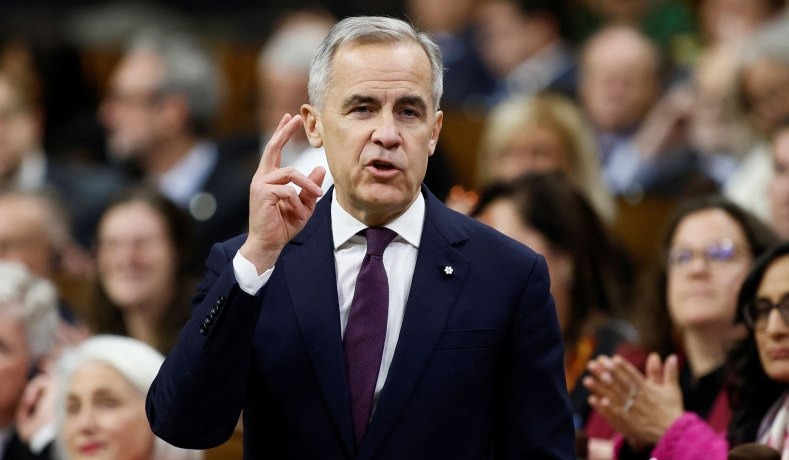
This fighter jet debate is not an isolated procurement dispute. It is the most visible manifestation of a profound strategic recalibration underway in Ottawa, championed by Prime Minister Mark Carney.
Carney, a systems thinker focused on long-term economic resilience, views defense procurement as a lever for industrial transformation. His philosophy rejects a cycle where Canada exports raw materials and imports finished, proprietary goods, surrendering knowledge and control.
Under this vision, fighter jets are industrial ecosystems. Building them sustains engineering pipelines, research bases, and advanced manufacturing. Buying them off-the-shelf, while politically simpler, exports sovereignty and perpetuates dependency.
This shift is evident in Canada’s broader outreach. Deepening defense cooperation with South Korea, a nation that transformed into a global arms exporter while maintaining alliance ties, provides a compelling model for achieving security without industrial stagnation.
The government is actively exploring partnerships that emphasize co-production and technology sharing, aiming to diversify supply chains and strengthen Canada’s bargaining power on the world stage. The ultimate question now facing the Canadian government transcends aircraft specifications. It is a foundational choice about the nation’s future character: will it remain a country that rents military and industrial power, or one that produces it?

Choosing the path of industrial independence, as exemplified by the Gripen offer, entails significant risk. It demands sustained investment, political courage, and acceptance of full responsibility for maintaining sovereign capability. The alternative—continued dependence on a single foreign supplier—guarantees ongoing vulnerability. It means future decisions on deployment, upgrades, and foreign policy could be shaped by access rather than sovereign choice.
Pressure from Washington and within NATO circles is intense, underscoring how a Canadian decision reverberates globally. It challenges a long-standing order built on quiet compliance, proving that a reliable ally can also demand autonomy. The debate has laid bare the true mechanics of modern power, which resides not in owning hardware but in controlling software, supply chains, and upgrade paths. Ottawa’s signal is clear: loyalty need not mean subordination.
As evaluations continue behind closed doors, the implications are already cascading through diplomatic and industrial channels. Canada’s final decision will define its strategic posture and economic destiny for the next half-century, proving that the most powerful battles are often fought not in the sky, but on the drawing boards and factory floors where sovereignty is forged.