


Washington expected a rubber stamp. Ottawa delivered a pause—and it rattled the room.
What looked like a routine defense purchase has quietly become one of the most consequential sovereignty tests in North American politics.
Canada’s ongoing review of its planned $28 billion F-35 fighter jet acquisition has exposed a reality Washington didn’t want to confront: automatic compliance is no longer guaranteed. The United States had assumed the deal—88 F-35s from Lockheed Martin—would glide to approval. Instead, Prime Minister Mark Carney extended the review, forcing allies and defense contractors alike to reconsider how much leverage America actually holds.
That shift was made unmistakable when U.S. Ambassador Pete Hoekstra publicly conceded the obvious but rarely admitted truth: Canada can do what it wants. The comment wasn’t defiant—it was resigned. And in diplomatic language, that matters.
Carney took office in early 2025 amid heightened tensions, fueled in part by Donald Trump’s repeated rhetoric about Canada as a “51st state.” In that climate, approving a massive U.S. defense contract without scrutiny would have sent a dangerous signal. So Carney did the opposite. He ordered a comprehensive review—one that has now stretched through the year, defying predictions that it would quietly fade away.

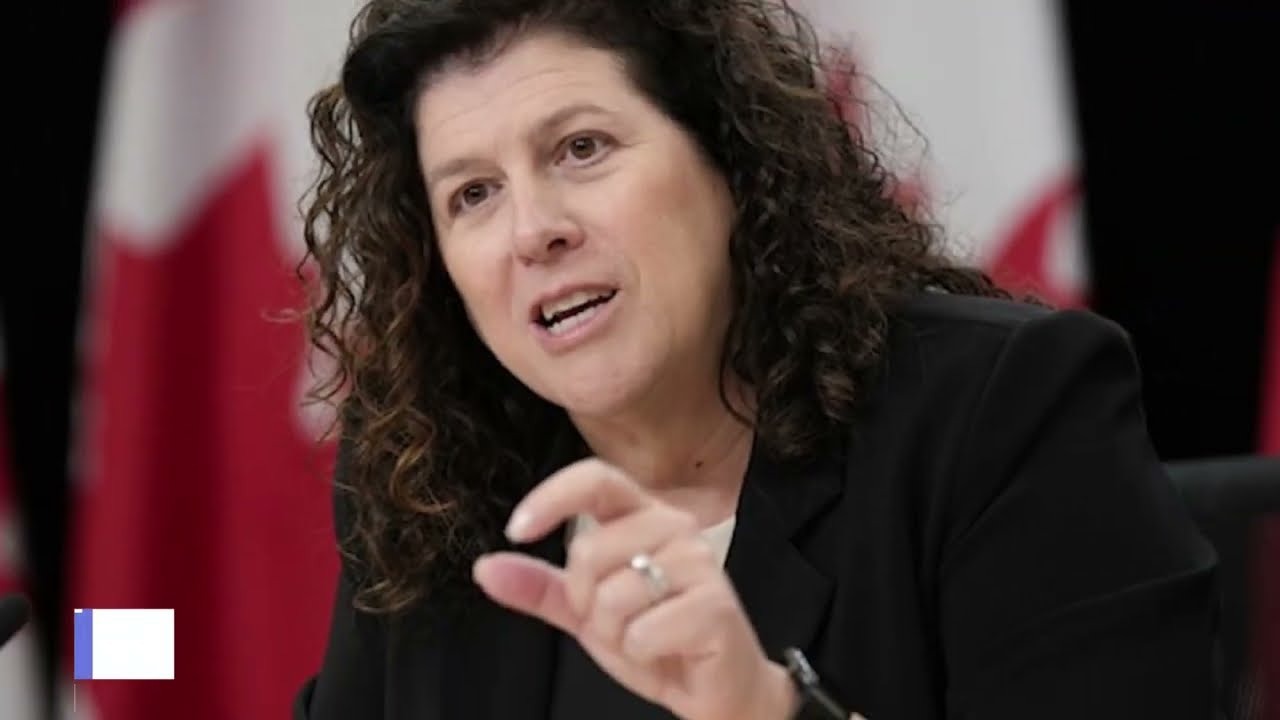
Originally announced in 2023, the F-35 plan carried a price tag of $19 billion. But by mid-2025, Canada’s Auditor General reported that costs had ballooned to nearly $28 billion, with another $5.5 billion required to make the jets fully operational. That’s a staggering increase for aircraft that haven’t even been delivered yet. Ottawa’s message was simple: decisions of this scale don’t get rushed—especially not under pressure.
What truly shifted the balance, however, was choice.
As Canada paused, Sweden’s Saab stepped forward with its Gripen fighter jet, offering a credible alternative—one free of political baggage, territorial rhetoric, or assumptions of obedience. The Gripen may not dominate headlines like the F-35, but its presence changed the negotiation entirely. For the first time, Washington wasn’t the only option on the table.
That reality unsettled U.S. expectations. Ambassador Hoekstra emphasized that around 30 Canadian companies are embedded in the F-35 supply chain, arguing the deal supports jobs and aerospace investment. But those arguments now have to compete—not with loyalty, but with leverage.
Even when Canadian defense officials reportedly recommended sticking with the full 88-jet purchase, Carney chose to continue the review. The message was unmistakable: technical advice informs decisions, but sovereignty decides them.
This isn’t a cancellation. It’s a recalibration.

Canada isn’t rejecting the F-35 outright—it’s refusing to be hurried into a commitment shaped more by alliance pressure than national interest. And that stance is being watched closely across NATO. If a close U.S. ally like Canada can assert strategic independence on a deal of this magnitude, other nations may feel empowered to do the same.
That’s why this moment matters far beyond fighter jets.
It challenges decades of procurement culture where American defense contracts were treated as foregone conclusions. It reframes interoperability not as obedience, but as partnership. And it signals that even in an alliance, respect for autonomy still counts.
As the review continues, one truth is becoming impossible to ignore: this isn’t about planes—it’s about power.
And Canada is reminding the world that sovereignty isn’t granted by allies. It’s exercised.