



Rachel Maddow has never fit neatly into the traditional mold of American television journalism.
From the beginning of her rise at MSNBC, she positioned herself not as a neutral newsreader but as a methodical storyteller, one who treats politics as a system of incentives, consequences, and power rather than a series of isolated events.
This approach has helped her build one of the most loyal audiences in cable news, even as viewership habits fragment and public trust in media erodes.
Maddow’s style—dense, document-driven, and unapologetically opinionated—has made her both influential and polarizing.
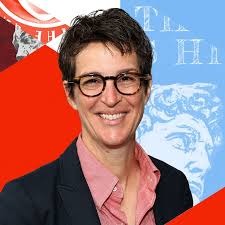
To supporters, she represents rigor and accountability; to critics, she embodies the blurring line between journalism and activism.
What distinguishes Maddow most is her commitment to historical context.
Unlike the rapid-fire panels that dominate cable news, her segments often unfold slowly, tracing current controversies back through decades of policy decisions, court rulings, and political strategy.
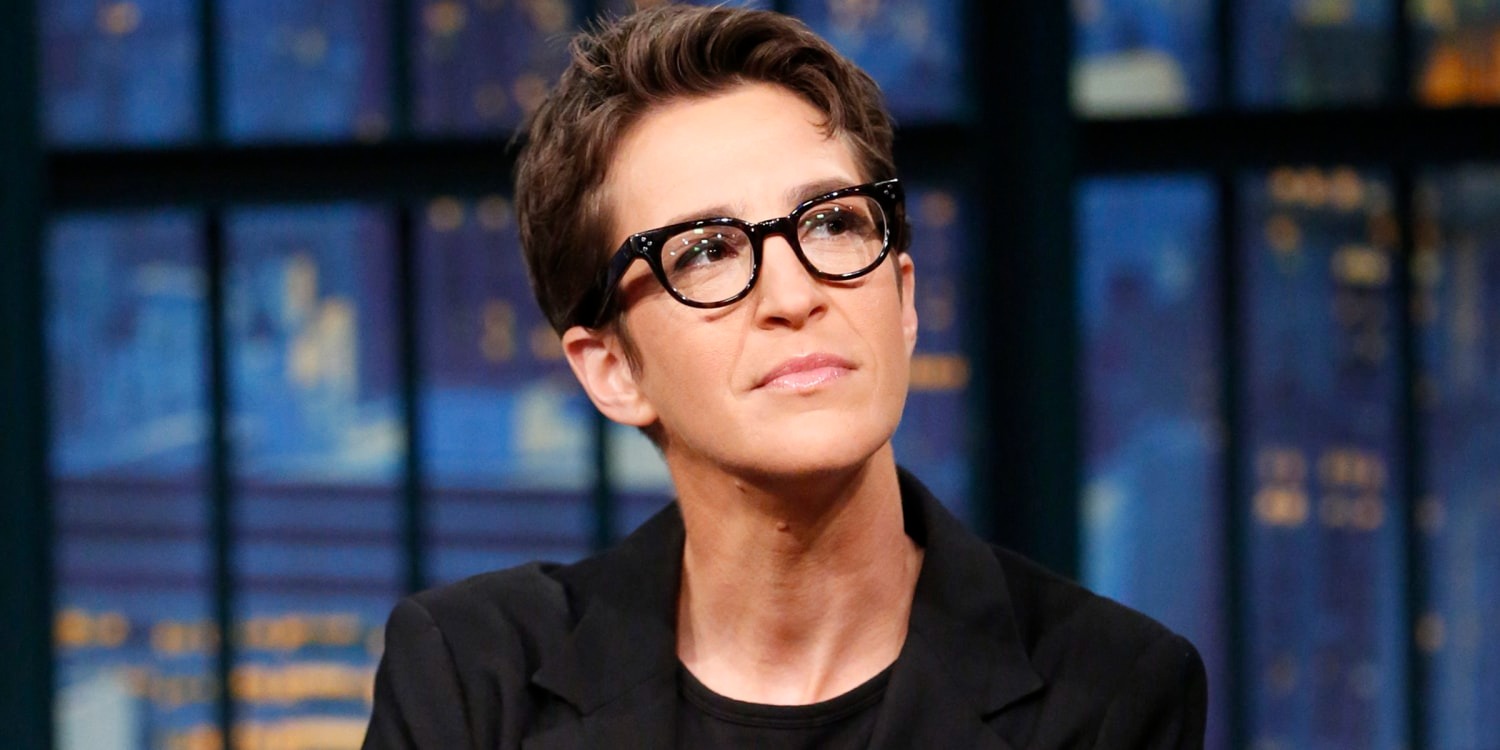
This emphasis on continuity has shaped how many viewers understand modern American politics, particularly the evolution of conservative legal and media infrastructure.
Through television, podcasts, and bestselling books, Maddow has argued—implicitly and explicitly—that today’s political crises are not accidental but the result of long-term planning.
In doing so, she has helped popularize a form of explanatory journalism that prioritizes causality over immediacy.
Yet Maddow’s influence also raises questions about the future of political journalism.
As she has stepped back from a nightly hosting schedule, MSNBC has struggled to replicate her unique blend of authority and narrative discipline.
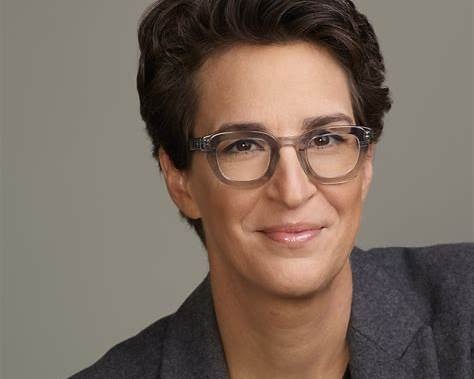
Her success underscores a paradox: audiences claim to want less opinionated news, but they gravitate toward voices that offer clear moral frameworks.
Maddow’s career suggests that the real currency in modern media is not neutrality but credibility built through consistency, depth, and intellectual confidence.
Whether this model can survive without becoming overtly partisan remains one of the central challenges facing American news organizations.