


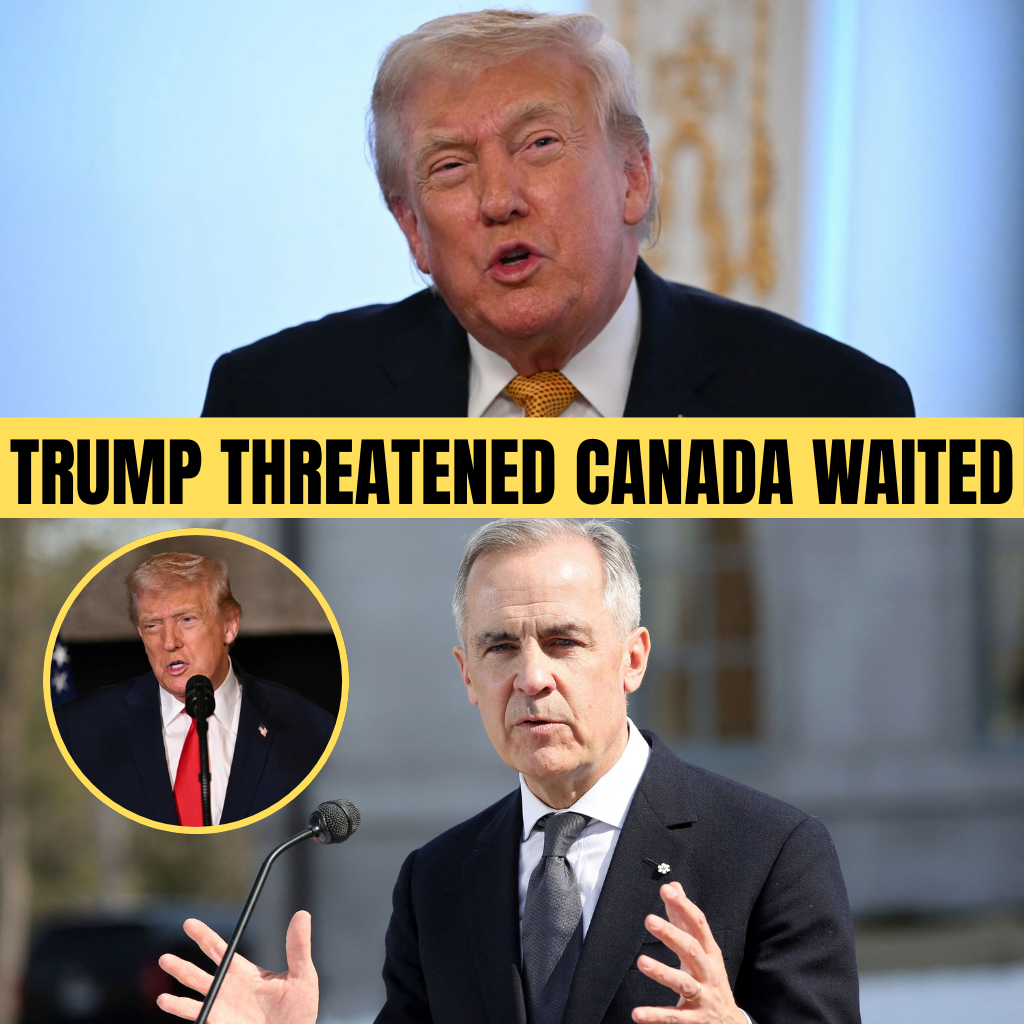
In a quiet but consequential shift, Canada is redefining how it negotiates with the United States. Rather than reacting to escalating pressure from Washington with urgency or concession, Ottawa is choosing patience, discipline, and strategic restraint. Canadian leaders are signaling that sovereignty, stability, and long-term strength now outweigh short-term deals. As talks stall and pressure tactics lose their bite, Canada is rebuilding leverage — economically, diplomatically, and militarily. What emerges is a country no longer scrambling for approval, but calmly reshaping its role in North America and the world.
For decades, Canada’s relationship with the United States has followed a familiar script: when Washington applies pressure, Ottawa responds quickly, often defensively, driven by the assumption that access to the U.S. market is existential. That script is now being rewritten.
Recent political interviews and public statements reveal a notable change in tone from Canadian leadership. Gone is the urgency, the rhetorical reassurance, the reflexive need to de-escalate. In its place is a measured calm — a willingness to wait, to absorb pressure, and to respond on Canada’s own timetable. This is not passivity. It is strategy.
At the heart of this shift is a clear message: Canada will not trade away its workers, industries, or sovereignty for temporary relief. Officials are no longer signaling fear of disruption. Instead, they are projecting confidence in preparation. In high-stakes negotiations, that confidence changes everything.
The approach marks a sharp departure from the reactive diplomacy that has long defined middle-power behavior. Rather than racing to appease Washington’s demands, Canada is emphasizing structure, process, and long-term positioning. Negotiations are no longer framed as emergencies, but as components of a broader national strategy.
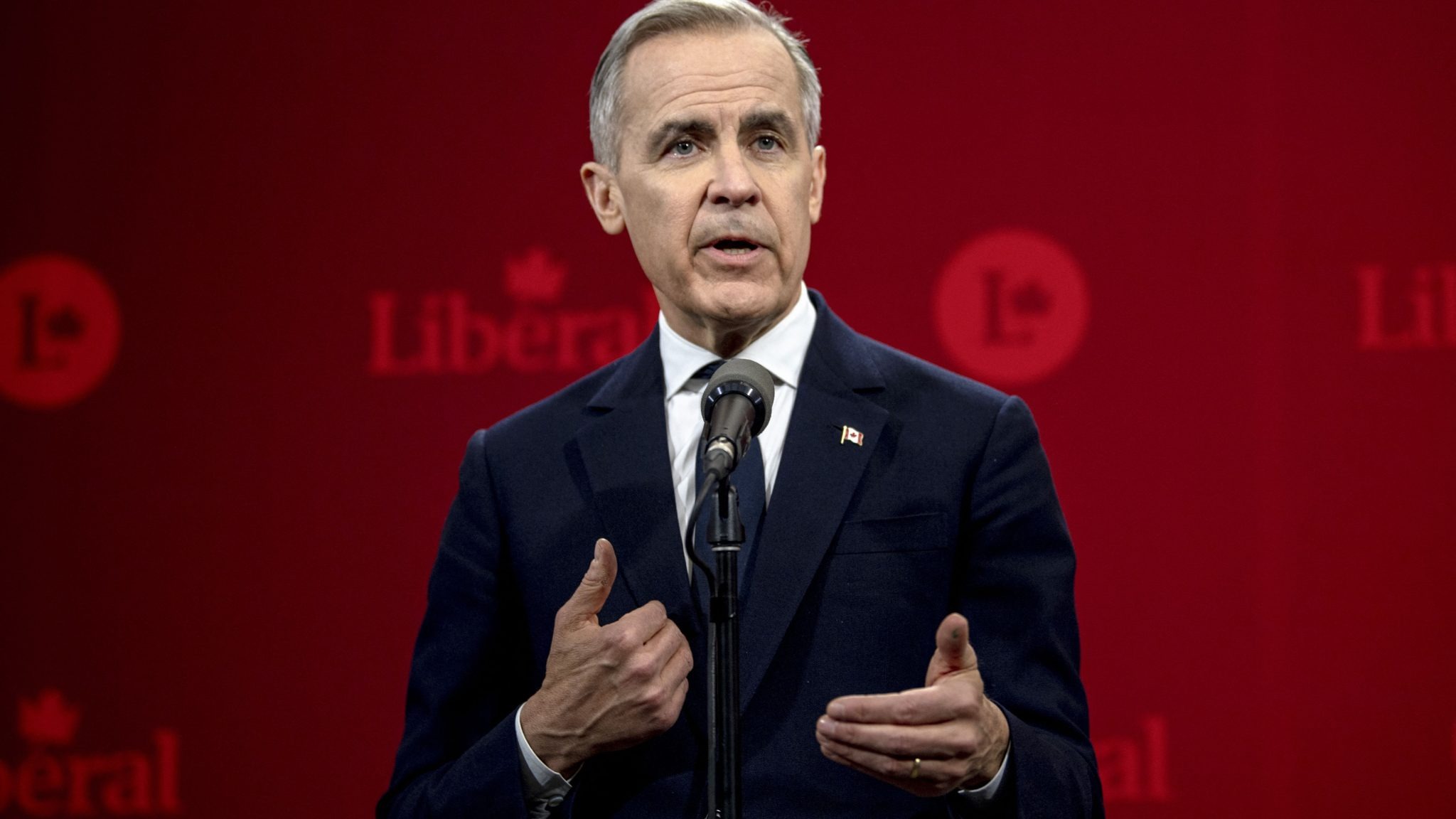
This recalibration is already altering the dynamics at the negotiating table. Pressure tactics depend on urgency — on the belief that delay harms one side more than the other. Canada’s willingness to wait undermines that assumption. By demonstrating it can endure uncertainty while building alternatives, Ottawa is quietly reclaiming leverage.
That leverage is being reinforced at home. As talks with the U.S. slow, Canada is accelerating its domestic economic strategy. Investments are being redirected toward internal capacity: supply chains, manufacturing resilience, energy security, and industrial expansion. At the same time, Canada is broadening its trade relationships beyond North America, deepening ties that reduce reliance on any single partner.
The result is a subtle but important power shift. Historically, Canada was seen as needing the U.S. more than the U.S. needed Canada. That narrative is now under strain. As Canada diversifies, the asymmetry narrows — and Washington’s ability to dictate terms weakens.
This strategic patience extends beyond trade. Canada is undergoing a structural shift in defense policy, redirecting investment inward to strengthen national capacity. The goal is not only military readiness, but sovereignty in production, technology, and logistics. Defense spending is being reframed as industrial policy — one that creates jobs, anchors advanced manufacturing, and supports multiple sectors of the economy.
Notably, this transformation has attracted rare bipartisan support. Opposition parties, often critical on fiscal and security matters, have largely aligned behind the emphasis on stability and discipline. In a period of global volatility, political unity itself becomes a strategic asset. Investors and allies take note when policy direction appears durable rather than cyclical.
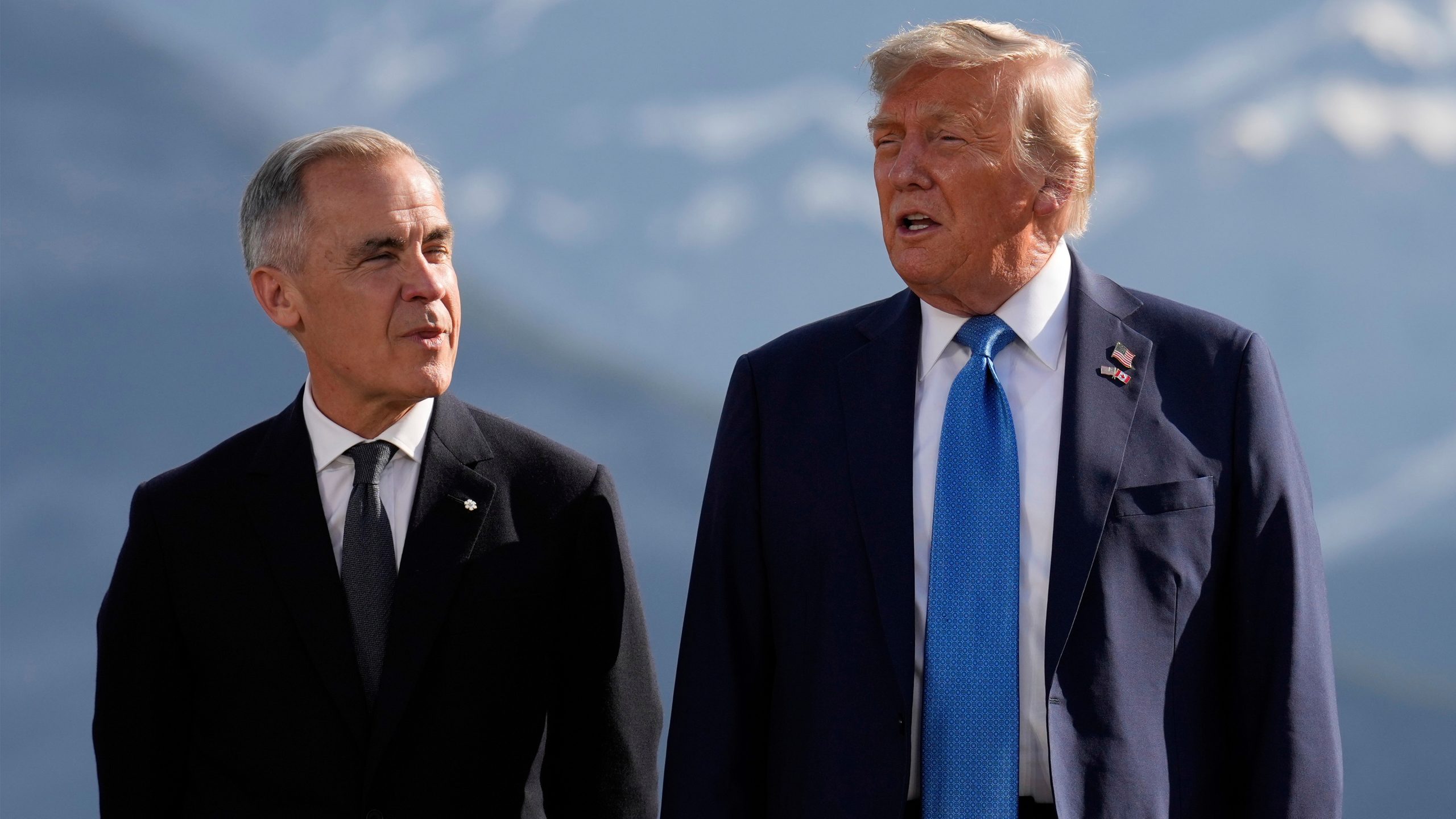
That durability is increasingly Canada’s calling card. In contrast to the unpredictability emanating from Washington — where policy can shift sharply with electoral cycles — Canada is positioning itself as a steady, rules-based partner. It is no longer chasing confidence; it is attracting it. Long-term contracts, consistent regulatory frameworks, and deliberate diplomacy are drawing interest from global investors seeking predictability in an uncertain world.
Equally important is Canada’s evolving identity on the global stage. Rather than aligning exclusively with one dominant power, it is building a network of diverse partnerships. This flexibility allows Canada to adapt as relationships warm or cool, ensuring it is never overexposed to a single source of pressure. Dependency is replaced with optionality — a powerful negotiating tool.
This shift carries psychological weight. International actors are beginning to perceive Canada not as a follower, but as a connector — a country capable of navigating complex geopolitical terrain without being absorbed by any one bloc. That perception fosters more respectful negotiations and enhances Canada’s influence beyond what its size alone would suggest.
In a global environment defined by volatility, speed, and confrontation, Canada is choosing something different: patience. The strategy may lack spectacle, but its implications are profound. By slowing down, Canada is gaining control — over negotiations, over policy, and over its future.
The era of reflexive accommodation appears to be ending. In its place is a Canada that waits, prepares, and negotiates from strength — quietly reshaping the balance of power in North America, one deliberate step at a time.