


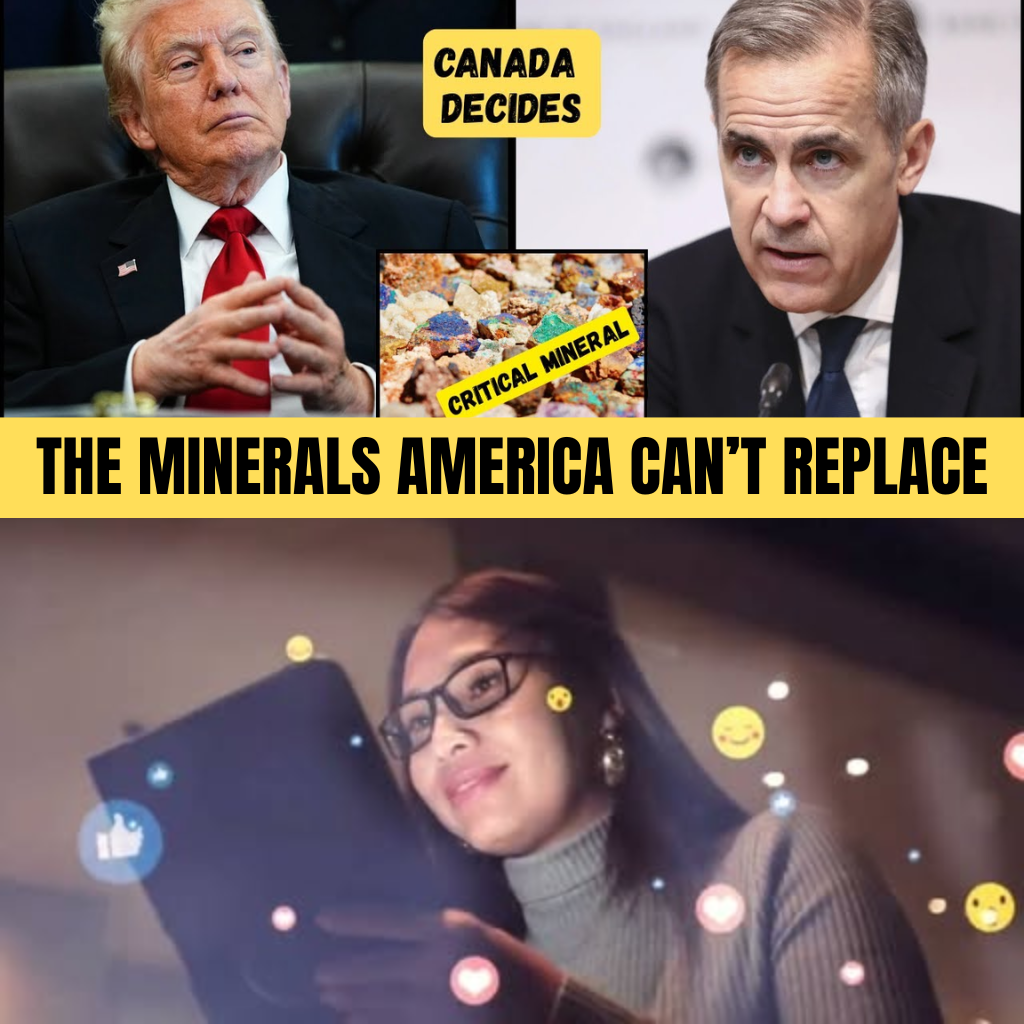
Once treated as a background supplier in North America’s industrial machine, Canada is now rewriting the rules of economic power. By tightening control over its vast reserves of critical minerals, Ottawa is reshaping supply chains, recalibrating alliances, and sending a clear message to Washington: access is no longer automatic. What looks like a technical resource shift is, in reality, a strategic assertion of sovereignty with far-reaching consequences for U.S. industry and security.
For decades, Canada’s role in the North American economy was predictable. It supplied resources, the United States consumed them, and the system ran largely on trust. That era is ending.
In an unexpected but deliberate shift, Canada has begun wielding its critical mineral wealth as a strategic bargaining chip — one that has the potential to reshape the balance of power across the continent. At the center of this transformation lies northern Ontario’s Ring of Fire, a vast, mineral-rich region long discussed but rarely urgent. Today, it is no longer a future project. It is a geopolitical asset.
Canadian leaders now speak of the Ring of Fire not as an economic opportunity, but as a strategic imperative. Infrastructure commitments have accelerated. Regulatory processes are being streamlined. What once moved at a glacial pace is suddenly advancing with purpose.
The timing is no coincidence.
Critical minerals such as lithium, cobalt, nickel, and rare earth elements are essential to electric vehicles, advanced weapons systems, artificial intelligence infrastructure, and clean energy technology. The United States is heavily dependent on imports for more than a dozen of these materials — and Canada has long been one of its most reliable suppliers.
But reliability, Ottawa has concluded, does not mean obligation.
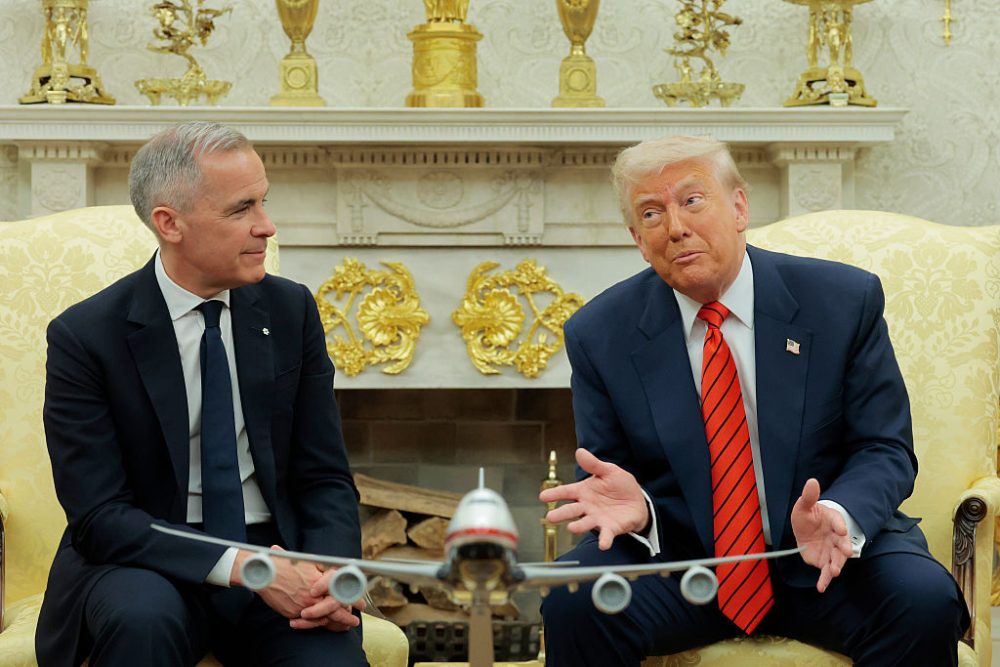
The deterioration of U.S.-Canada relations during the Trump years marked a turning point. Tariffs, public threats, and dismissive rhetoric forced Canadian policymakers to confront a reality they had long avoided: dependence cuts both ways. Assuming guaranteed access to Canadian resources, they realized, was a vulnerability — not a partnership.
The response was quiet but decisive.
Rather than retaliating publicly, Canada began redirecting strategy. Long-term contracts were signed with European and Asian partners eager to diversify away from China. Processing and refining capacity — historically outsourced — became a domestic priority. Access to Canadian minerals would now be conditional, structured, and strategic.
The message was subtle but unmistakable: Canadian resources would flow toward respect, stability, and long-term alignment — not political volatility.
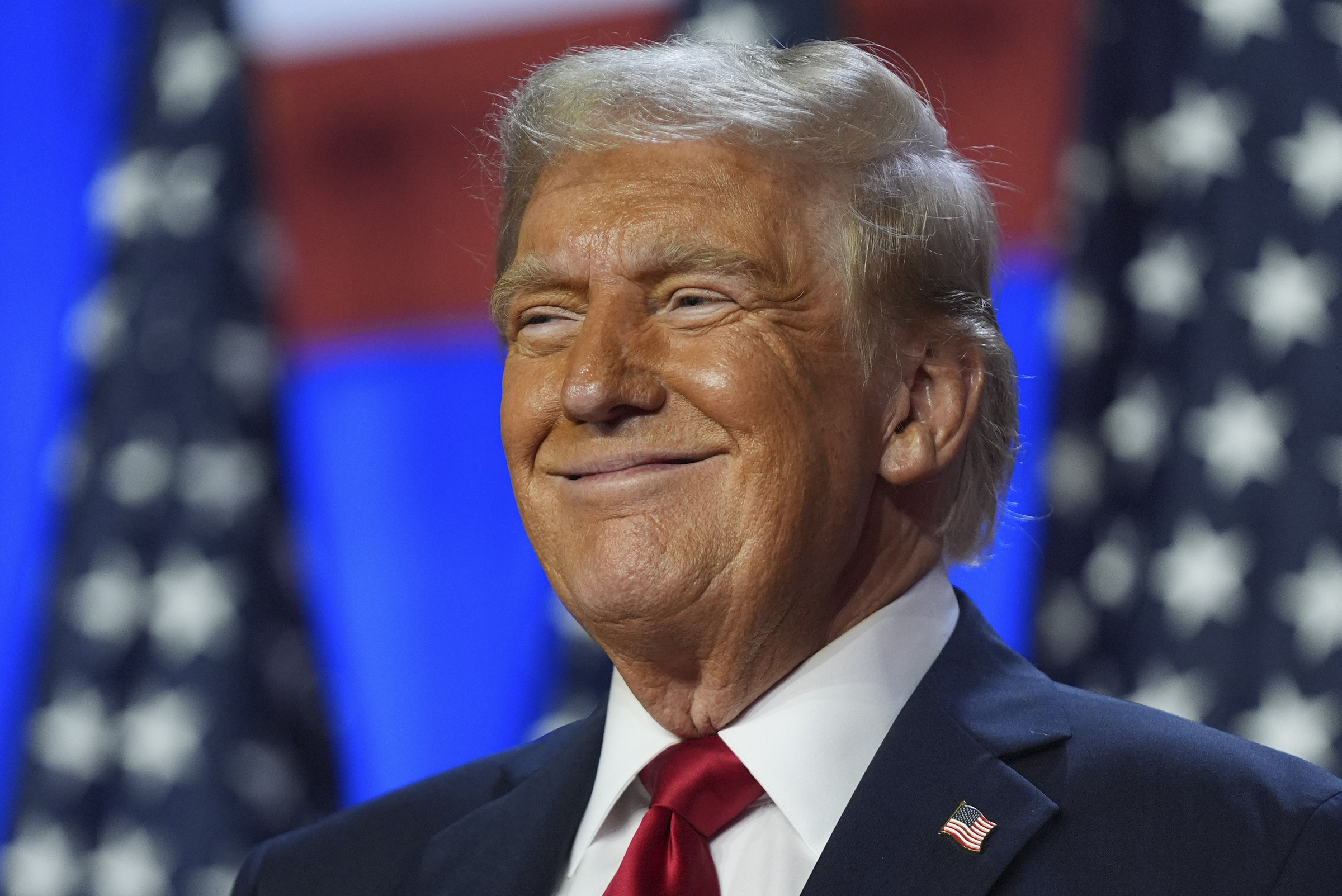
For American industry, the implications are profound.
U.S. manufacturers, already struggling with fragile supply chains, now face a more precarious future. Automakers, defense contractors, and tech firms depend on minerals they cannot source domestically at scale. Canada’s new posture introduces uncertainty into systems that were built on assumption rather than contract.
Even Washington appears to recognize the risk.
In a striking contradiction to public rhetoric, the U.S. Department of Defense has quietly invested more than $70 million into Canadian mining projects. The move underscores a growing realization inside the Pentagon: regardless of politics, Canadian minerals are indispensable to U.S. national security.
That paradox defines the current moment.
Publicly, the relationship is strained. Privately, dependency remains. But Canada is no longer content to let that dependency go unacknowledged or unmanaged.
By prioritizing partnerships with Europe — nations desperate for secure alternatives to Chinese supply chains — Canada is locking in long-term agreements that will be difficult for the U.S. to displace. These contracts do more than guarantee buyers; they restructure global mineral flows in ways that reduce American leverage.
This shift is about more than economics. It is about control.
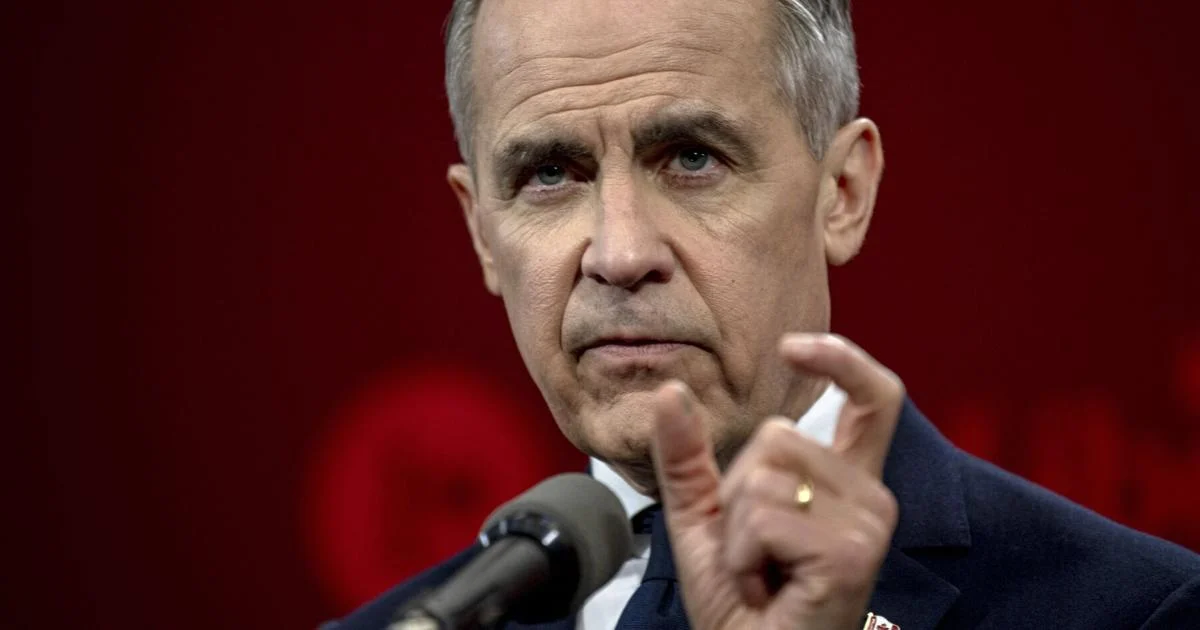
Canada is crafting a new narrative around sovereignty — one in which natural resources are not merely commodities, but instruments of policy. By pairing extraction with domestic processing and strategic partnerships, Ottawa is multiplying its influence without raising its voice.
The United States, long accustomed to seamless access based on geography and history, appears to have underestimated this evolution. Geography no longer guarantees supply. Trust now requires structure.
As supply chains realign, American policymakers face a stark choice: adapt to a new, more equal relationship — or risk watching critical inputs flow elsewhere.
The minerals are still there. Abundant. Accessible. But the pathways to them have changed.
In this new era of resource politics, Canada has done something rare. It has protected its sovereignty — and expanded it at the same time. Quietly, methodically, and with long-term intent, Ottawa has turned geology into leverage.
And in North America’s next chapter, control over critical minerals may prove to be the clearest measure of power.