


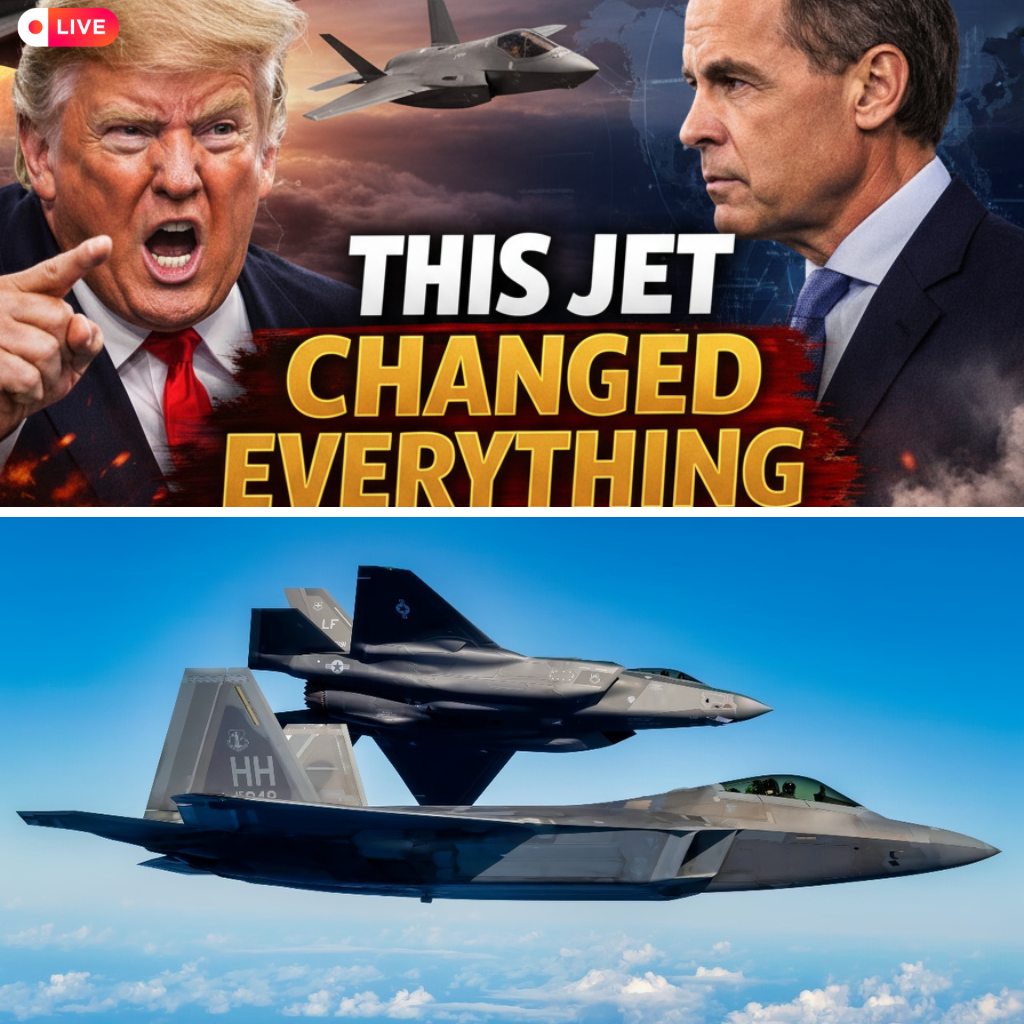
NATO’s unity is no longer being tested only on the battlefield—it is being tested in contracts, software codes, and procurement clauses. At the center of the unease stands the F-35 fighter jet, once hailed as the ultimate symbol of allied military integration. Today, it has become a flashpoint for deeper anxieties about sovereignty, trust, and political leverage. As European nations and Canada quietly reassess their dependence on U.S.-controlled defense systems, NATO is entering a new phase—one defined less by unquestioned alignment and more by cautious recalibration.

For decades, NATO operated on a simple premise: collective defense required collective trust. American military leadership and technology were seen not as constraints, but as guarantees. That assumption is now under strain.
The shift did not happen overnight. It accelerated during periods when Washington openly tied alliance loyalty to defense spending targets and procurement decisions. What began as pressure to meet budget benchmarks slowly evolved into something more unsettling for many allies—the realization that their most advanced weapons systems were not entirely under their control.
Nowhere is this more evident than with the F-35.
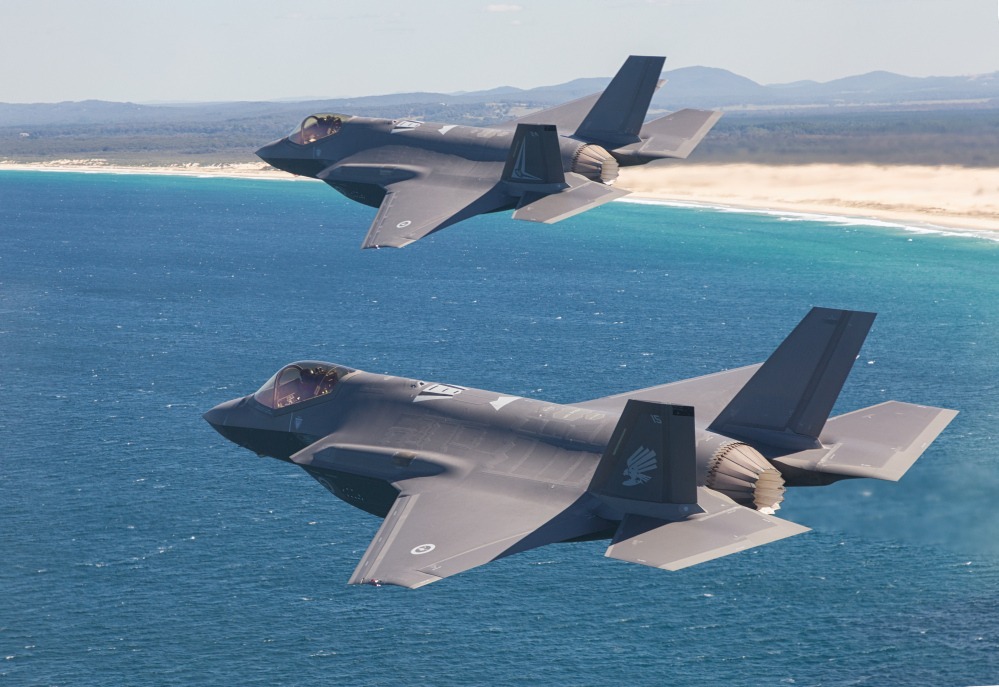
Marketed as a fifth-generation stealth fighter designed to unify NATO air power, the F-35 instead exposed the hidden mechanics of modern military dependence. While partner nations purchase the aircraft, the United States retains control over critical software updates, mission systems, data flows, and long-term maintenance pipelines. In practical terms, this means operational autonomy is conditional.
For smaller or neutral countries, that condition has become politically sensitive.
Switzerland offers a revealing case. Long proud of its neutrality, the country approved the F-35 amid assurances of cost stability and strategic compatibility. Those assurances quickly unraveled. Rising expenses, opaque pricing, and questions about U.S. oversight sparked public backlash. Calls for a national referendum are no longer fringe—they reflect a broader fear that neutrality cannot coexist with foreign-controlled military infrastructure.
Germany’s response has been more strategic than emotional.
Berlin has committed to acquiring a limited number of F-35s to fulfill NATO’s nuclear-sharing obligations. At the same time, it is doubling down on European defense autonomy—investing heavily in the Eurofighter Typhoon and the Future Combat Air System (FCAS). The message is carefully calibrated: interoperability with the U.S. remains essential, but dependence is no longer acceptable.
This balancing act is spreading across Europe.
Governments are increasingly talking about “mixed fleets,” regional supply chains, and redundancy—concepts that were once dismissed as inefficient. Today, they are reframed as insurance against political volatility. Hundreds of billions of euros are being redirected toward domestic and European defense firms, not just to stimulate industry, but to reclaim strategic control.

Canada finds itself at a particularly delicate crossroads.
Ottawa is deep into the process of replacing its aging CF-18 fleet, with the F-35 long positioned as the default solution. Yet memories of trade disputes, tariff threats, and abrupt policy shifts remain fresh. Defense planners are now forced to confront an uncomfortable reality: what happens when national security depends on a partner whose political climate can change overnight?
Canada’s dilemma encapsulates NATO’s broader tension. The alliance demands interoperability and speed, but sovereignty demands flexibility and trust. Meeting both goals simultaneously is becoming harder.
Defense analysts warn that the issue is no longer purely technical—it is psychological. When access to spare parts, updates, or mission data could theoretically be influenced by political disputes, military readiness becomes entangled with diplomacy in dangerous ways. Allies begin planning not just for external threats, but for internal uncertainty.
This does not mean NATO is collapsing. Far from it.
What is happening instead is a quiet transformation. European nations are signaling that cooperation must be resilient to politics. Autonomy is no longer framed as defiance of the United States, but as a necessary evolution of alliance maturity. NATO, in this view, survives not by enforcing dependence, but by accommodating independence.
Ironically, the F-35 may be remembered less for its stealth capabilities than for what it revealed about modern alliances. It forced countries to confront a question long avoided: in an age of software-driven warfare, who truly controls the weapons—and what does that control mean?
As NATO adapts to a more fragmented and unpredictable world, trust will remain its most valuable asset. Whether that trust can coexist with asymmetric control may define the alliance’s future more than any battlefield outcome.