


Canada is quietly rewriting its national security playbook, and the catalyst is not a distant adversary—but political volatility south of the border. As former U.S. President Donald Trump revives rhetoric that questions trade agreements, alliances, and even territorial norms, Canadian leaders are abandoning long-held assumptions about stability. Mark Carney, now central to Ottawa’s strategic thinking, is signaling a decisive shift: sovereignty can no longer rest on goodwill alone. From trade exposure to Arctic defense, Canada is preparing for a world where unpredictability is no longer the exception—but the rule.
For decades, Canada’s national security posture rested on a comforting premise: geography, alliances, and shared values would shield it from serious strategic shocks. That premise is now being dismantled—methodically and deliberately.
At the center of this recalibration is a growing recognition that U.S. political volatility has become a strategic variable Canada can no longer ignore. Donald Trump’s return to the political spotlight, coupled with his confrontational rhetoric toward allies, has triggered alarm in Ottawa—not because of any single threat, but because of what his words reveal about a broader mindset.
Trump’s repeated suggestions that trade agreements could be abandoned, rewritten, or weaponized have struck a nerve in Canada. Framing Canada as an unfair beneficiary of U.S. generosity, his rhetoric challenges the foundation of an economic relationship that underpins millions of Canadian jobs and stabilizes cross-border supply chains. Analysts warn that when trade becomes leverage, economic interdependence can quickly transform into vulnerability.
That concern extends beyond tariffs and markets.
Security experts point to Trump’s past comments and actions—whether toward Venezuela, Greenland, or NATO—as evidence of a worldview that prioritizes transactional power over institutional trust. From this perspective, allies are not partners but pressure points. For Canada, that realization has prompted a shift from optimism to preparedness.
Mark Carney’s evolving tone reflects that change. Once known for emphasizing cooperation and economic resilience, Carney is now articulating a harder truth: diplomacy without credible capability is fragile. In a world where commitments feel conditional, preparedness becomes the price of sovereignty.
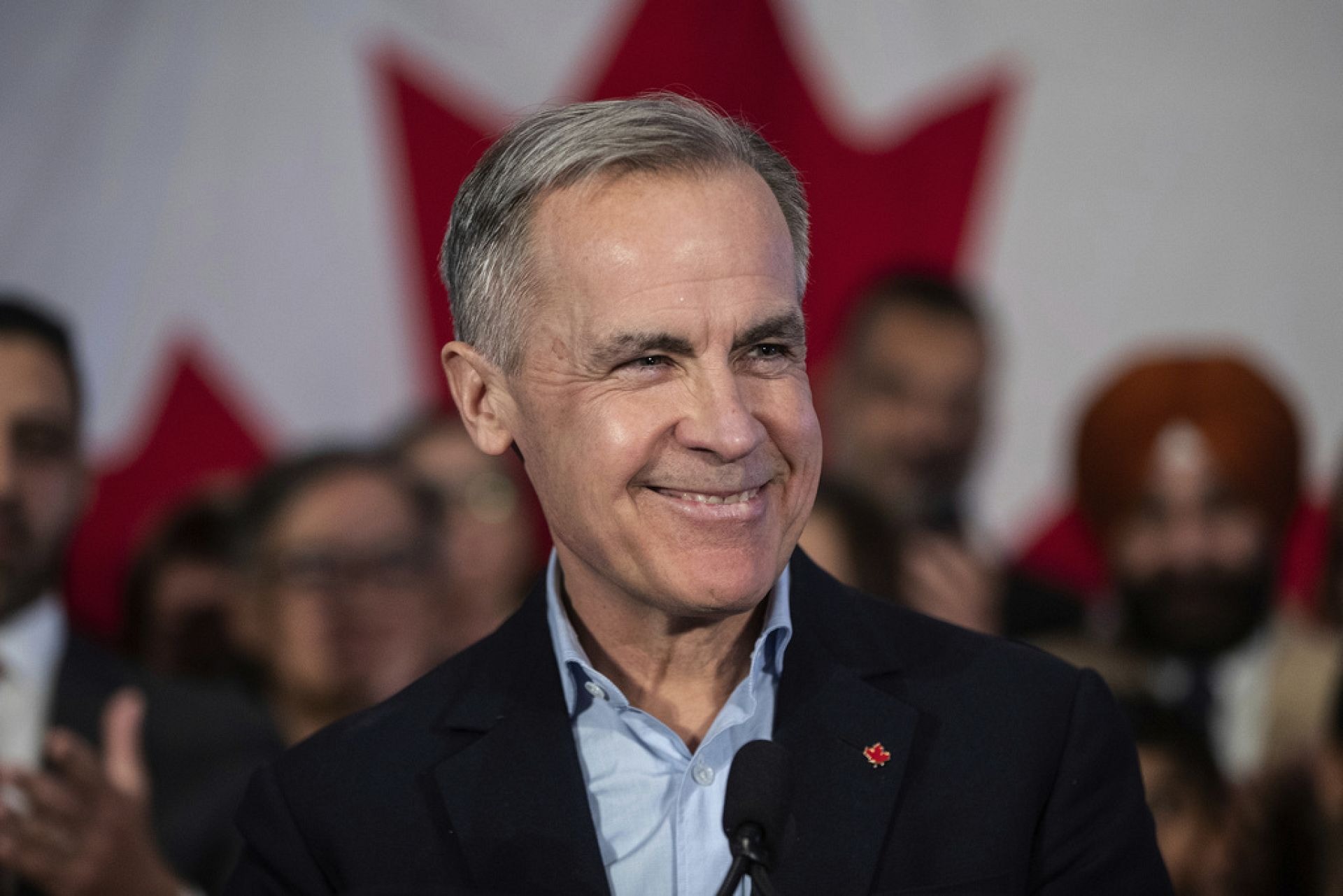
Nowhere is this shift more visible than in Canada’s renewed focus on the Arctic.
For much of modern history, Canada treated its northern territories as strategically quiet—vast, frozen, and largely inaccessible. Climate change has upended that reality. Melting ice is opening new shipping routes, exposing untapped resources, and drawing the attention of global powers, including Russia and China. What was once a geographic buffer is becoming a geopolitical front line.
In response, Canada is accelerating defense modernization efforts, particularly in Arctic mobility and response capabilities. Among the most significant moves under consideration is the acquisition of amphibious landing platforms—assets designed to operate in harsh environments with minimal infrastructure. The goal is not power projection abroad, but credible presence at home.
Defense analysts stress that this posture is defensive by design. Canada is not seeking confrontation, but deterrence. The logic is straightforward: a nation that can clearly demonstrate its ability to defend its territory is less likely to face coercion—economic or otherwise.
This represents a philosophical shift.
For years, Canada’s security strategy leaned heavily on assumptions of stability: stable alliances, stable trade, stable norms. Today’s strategy acknowledges that those assumptions no longer hold universally. Preparedness, not prediction, is now the organizing principle.
The timing is politically sensitive. Trump’s influence over U.S. policy—formal or informal—forces Canadian leaders to plan for a wide range of scenarios, including sudden policy reversals that could ripple across trade, defense, and diplomacy. The lesson Ottawa appears to have absorbed is that resilience requires optionality.
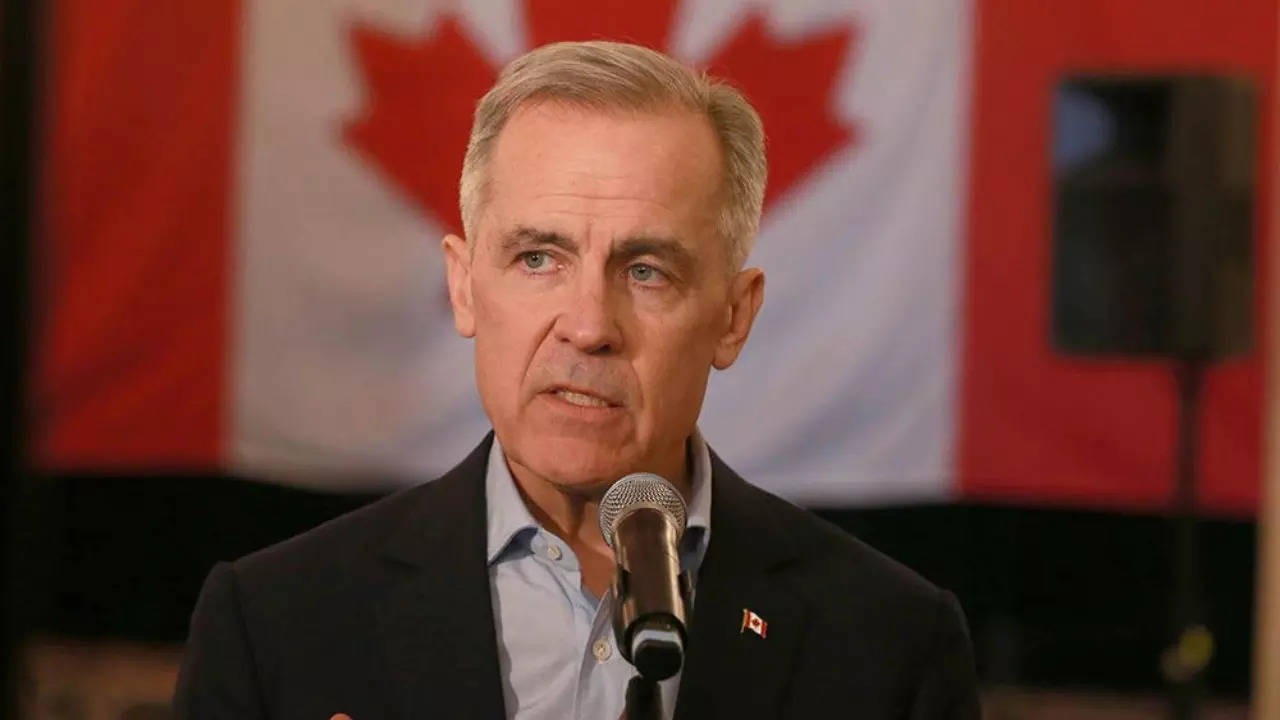
That means reducing single-point dependencies, strengthening domestic capabilities, and ensuring that national decisions remain sovereign decisions.
Critics argue that Canada risks overreacting to rhetoric rather than reality. Supporters counter that history is shaped not just by actions, but by the assumptions leaders make before those actions occur. In that sense, Canada’s pivot is less about Trump himself and more about a world where political unpredictability is increasingly normalized.
What emerges is a doctrine of disciplined readiness. Not alarmist, but alert. Not aggressive, but firm.
As Carney and Canada’s leadership chart this new course, the message is unmistakable: the era of strategic complacency is over. In an age of leverage politics and shifting alliances, Canada is determined to ensure that its future is shaped by preparedness—not by surprise.
And in doing so, it is quietly redefining what sovereignty looks like in the 21st century.