



A silent rupture is unfolding across the world’s longest peaceful border. In 2025, Canadians are canceling trips to the United States at historic levels, triggering an estimated $5.7 billion loss for the American tourism industry. Flights are empty, border crossings are down sharply, and tourism-dependent towns are struggling to survive. This collapse isn’t driven by inflation or recession—it’s emotional. Polls and travel data suggest Canadians no longer feel welcome in the U.S., and that sentiment is reshaping travel habits in ways that may not be easily reversed.

For decades, Canadians were the most reliable foreign visitors to the United States. They filled hotels in New England, crowded Florida beaches in winter, and sustained small-town economies from Maine to Arizona. In some border states, Canadian tourists were not just guests—they were lifelines.
That relationship is now fracturing.
In 2025, air travel from Canada to the U.S. dropped 24%, while land border crossings plunged nearly 30%. In certain regions, Canadian road trips fell as much as 40%. The scale of the decline has stunned tourism officials and local business owners alike.
What makes this downturn unusual—and politically explosive—is its cause. Canada is not facing a travel affordability crisis. The Canadian dollar remains stable, employment is strong, and international travel overall is rising. Canadians are still vacationing. They’re just choosing not to vacation in the United States.
Polling points to a shared emotional response rather than economic calculation. A majority of Canadians surveyed say they are actively avoiding U.S. travel, citing feelings of being disrespected, unwelcome, or dismissed by American political leadership. The comments and rhetoric of former President Donald Trump, in particular, are repeatedly cited as a breaking point.
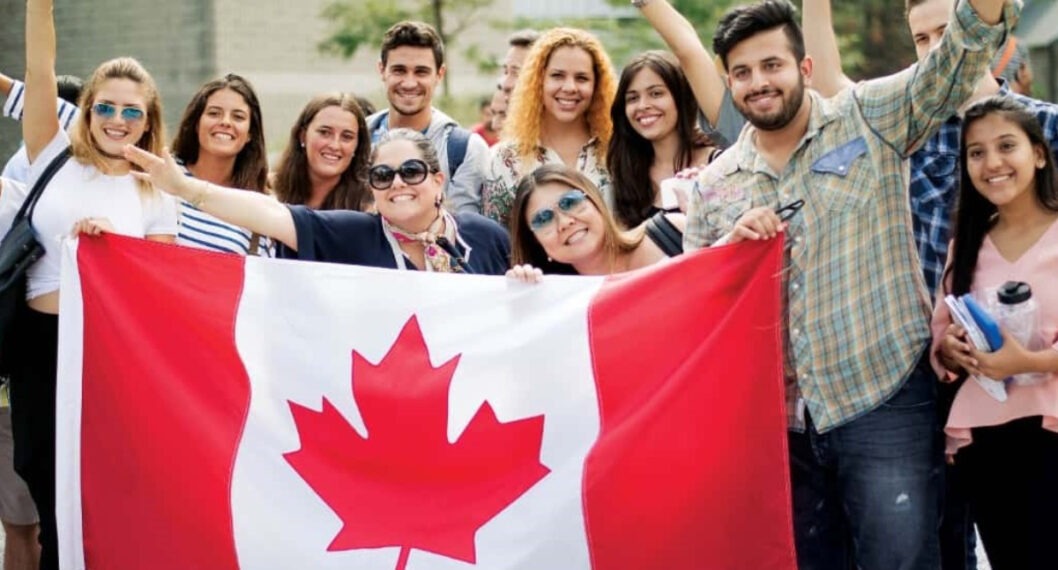
For many Canadians, the shift wasn’t sudden—it was cumulative. Years of hostile trade rhetoric, casual insults toward Canada’s sovereignty, and portrayals of allies as expendable appear to have eroded goodwill that once seemed unshakeable. The result is not protest signs or official sanctions, but something quieter and more damaging: consumer withdrawal.
Nowhere is the impact more visible than in tourism-dependent regions.
Maine’s coastal towns, long reliant on Canadian summer traffic, reported their worst tourism year on record. In New Hampshire, Canadian visitor numbers fell nearly 30%, devastating seasonal businesses that depend on predictable cross-border travel. Hotels, restaurants, ferry services, and retail shops are closing early—or closing for good.
Local officials describe the losses as “catastrophic,” not because Americans stopped traveling, but because Canadians did.
Tourism boards across the U.S. have scrambled to respond. Discounts, ad campaigns, and “Welcome Back Canada” initiatives have rolled out across border states. But industry insiders admit the problem isn’t pricing—it’s trust. Promotions can’t easily undo years of political messaging that made a neighboring country feel taken for granted.
Meanwhile, Canadian travelers are forming new habits.
Mexico, Central America, and parts of Europe have seen a surge in Canadian bookings. Airlines report expanded routes south, and travel agencies note that first-time destinations are quickly becoming repeat choices. For younger Canadians especially, the U.S. is no longer the default vacation option—it’s just one choice among many, and often not the preferred one.
That shift worries American lawmakers.
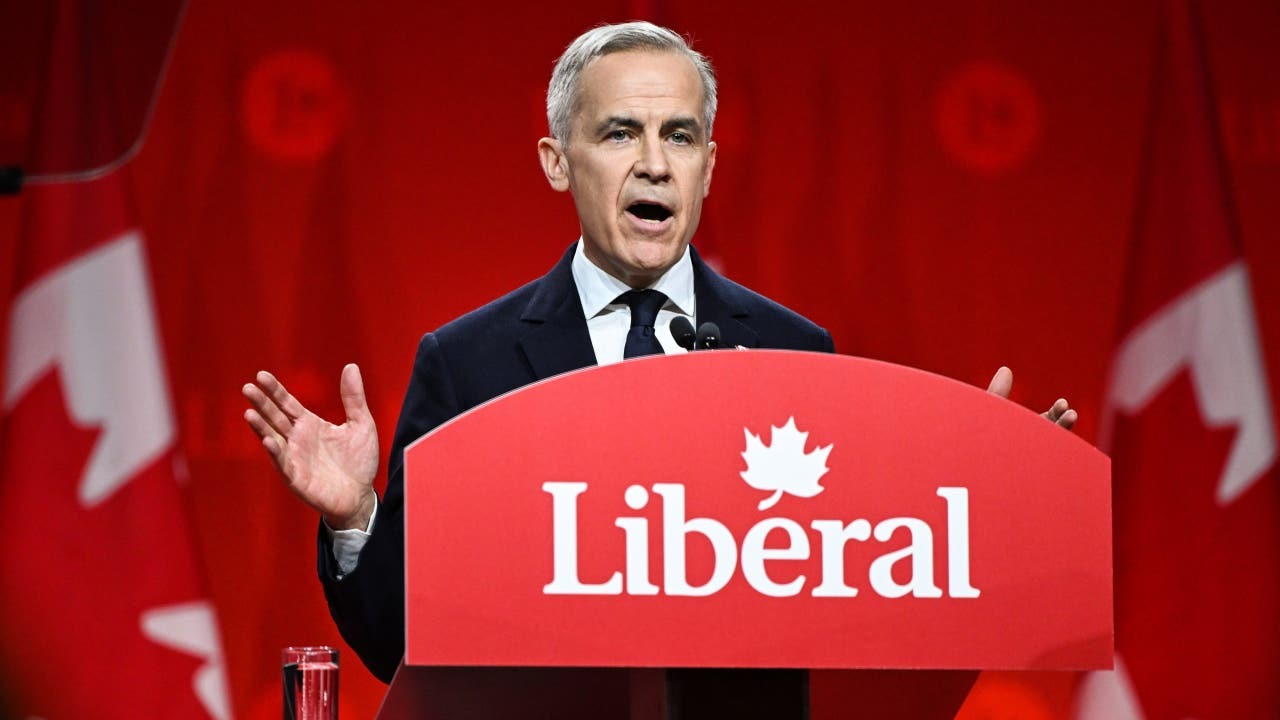
Congressional committees have begun examining the economic fallout, not only in lost tourism revenue but in jobs tied to hospitality, transportation, and retail. In some states, Canadian visitors accounted for more than a quarter of international tourism spending. Losing that base threatens long-term economic stability in regions already struggling with workforce shortages and rising costs.
More troubling is the durability of the change. Behavioral economists warn that travel habits, once broken, don’t automatically return. Emotional decisions—especially those tied to identity and respect—can outlast political cycles. Even if leadership changes or rhetoric softens, the sense of estrangement may linger.
This moment marks a broader lesson in modern geopolitics: economic relationships are built on perception as much as policy. Allies don’t just trade goods—they trade goodwill. When that goodwill erodes, the consequences can arrive quietly, without protests or headlines, but with enormous financial impact.
Canada’s pullback is not a formal boycott. It is more powerful than that. It’s millions of individual decisions, made calmly and repeatedly, to take money elsewhere.
And for the United States, the message is increasingly clear: trust, once lost, is expensive to rebuild.