


A quiet but consequential shift is unfolding within the global security order. Canada, Australia, Japan, and South Korea—four of America’s closest allies—are reportedly considering participation in SAFE, a $150 billion European defense financing mechanism backed by the European Union. The move is not driven by anti-American sentiment, but it reflects a growing concern: the increasing unpredictability of Washington’s foreign policy and security commitments. If this trend continues, the United States’ “default” role in the global defense supply chain may no longer be taken for granted.
For decades, the global security architecture has revolved around a seemingly irreplaceable pillar: American military power and U.S.-led defense systems. Allies relied on Washington not only for security guarantees, but also to shape the entire defense ecosystem—from weapons and technology to operational standards. Today, however, the first visible cracks in that order are beginning to appear.
According to diplomatic sources, Canada, Australia, Japan, and South Korea are exploring potential participation in the EU’s Security Action for Europe (SAFE), a newly launched defense financing initiative valued at up to $150 billion. SAFE is designed to enable countries to jointly invest in, produce, and co-own military capabilities, reducing dependence on a single dominant supplier.
Initially viewed as a strictly European project, SAFE took on new significance when Canada formally joined. What was once seen as symbolic quickly became strategic. Canada’s participation demonstrated that SAFE could function beyond Europe—and more importantly, that it could offer a viable alternative for long-standing U.S. allies.
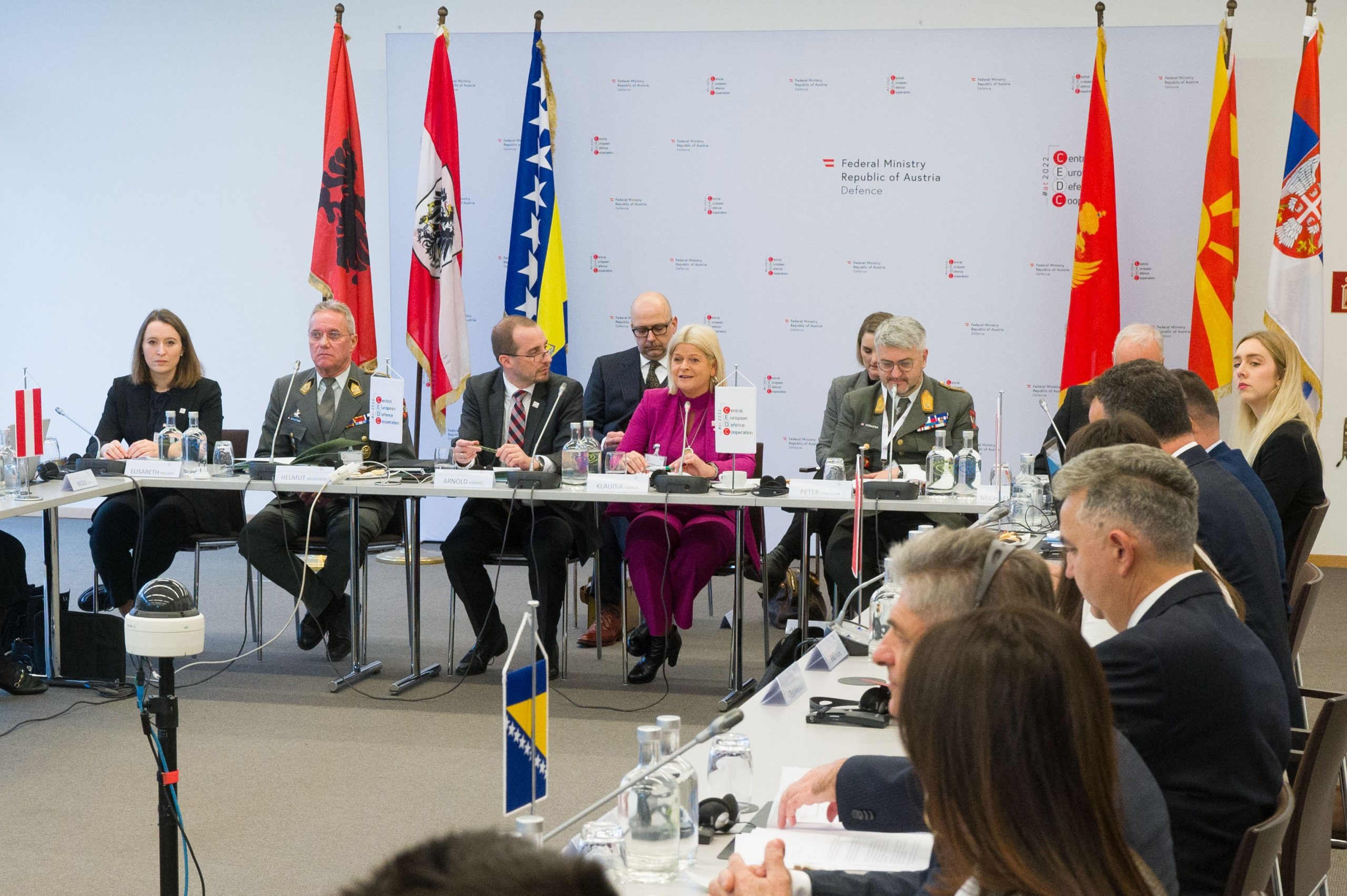
Following Canada’s move, informal discussions are reportedly underway in Canberra, Tokyo, and Seoul. While no official commitments have been announced, the mere expression of interest has been enough to draw attention in Washington. Among U.S. policymakers, this is no longer viewed as a technical or budgetary issue, but as a signal that strategic trust may be under strain.
SAFE’s strongest appeal lies in two qualities many allies increasingly feel are missing from U.S. defense policy: stability and predictability. The program offers long-term contracts, clear financing mechanisms, and insulation from domestic political volatility. At a time when U.S. foreign policy is often shaped by partisan battles and abrupt shifts tied to election cycles, these features carry growing weight.
Countries considering SAFE are not seeking to abandon the United States. Instead, they are engaging in pragmatic risk management. Policymakers worry that near-total reliance on Washington could leave them exposed to sudden policy reversals—whether through conditional security guarantees, political leverage, or the prioritization of U.S. domestic interests during crises.
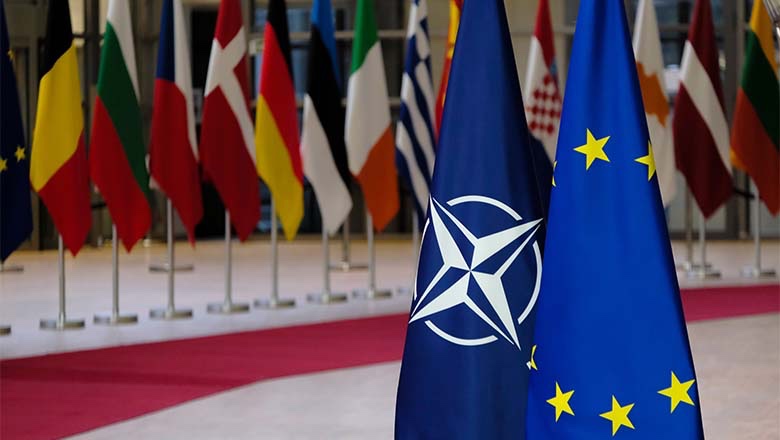
Notably, SAFE allows participating nations to develop their own defense-industrial capabilities rather than simply purchasing finished weapons systems. This opens the door to job creation, technology transfer, and industrial sovereignty—objectives many allies have long pursued but struggled to achieve while dependent on American defense giants.
If the shift continues, the impact on the United States will not be immediate, but it could be profound. As portions of allied defense budgets flow toward European systems, America’s influence over global military standards, strategy, and technology may gradually erode.
Analysts suggest the clearest indicators will emerge from industry: joint production facilities, co-development projects, and multi-decade contracts. Once these structures are in place, reverting to near-total dependence on U.S. systems will become far more difficult.
SAFE, then, is more than a financing mechanism. It is a symbol of transition—a moment when America’s allies are beginning to ask whether U.S. security guarantees remain automatic, or whether they are commitments that must be continually reinforced.
The central question now is not whether SAFE will succeed, but how the United States will respond. In a world where influence is no longer assumed, Washington may need to compete—not only through military strength, but through consistency, reliability, and a long-term vision for its alliances.