

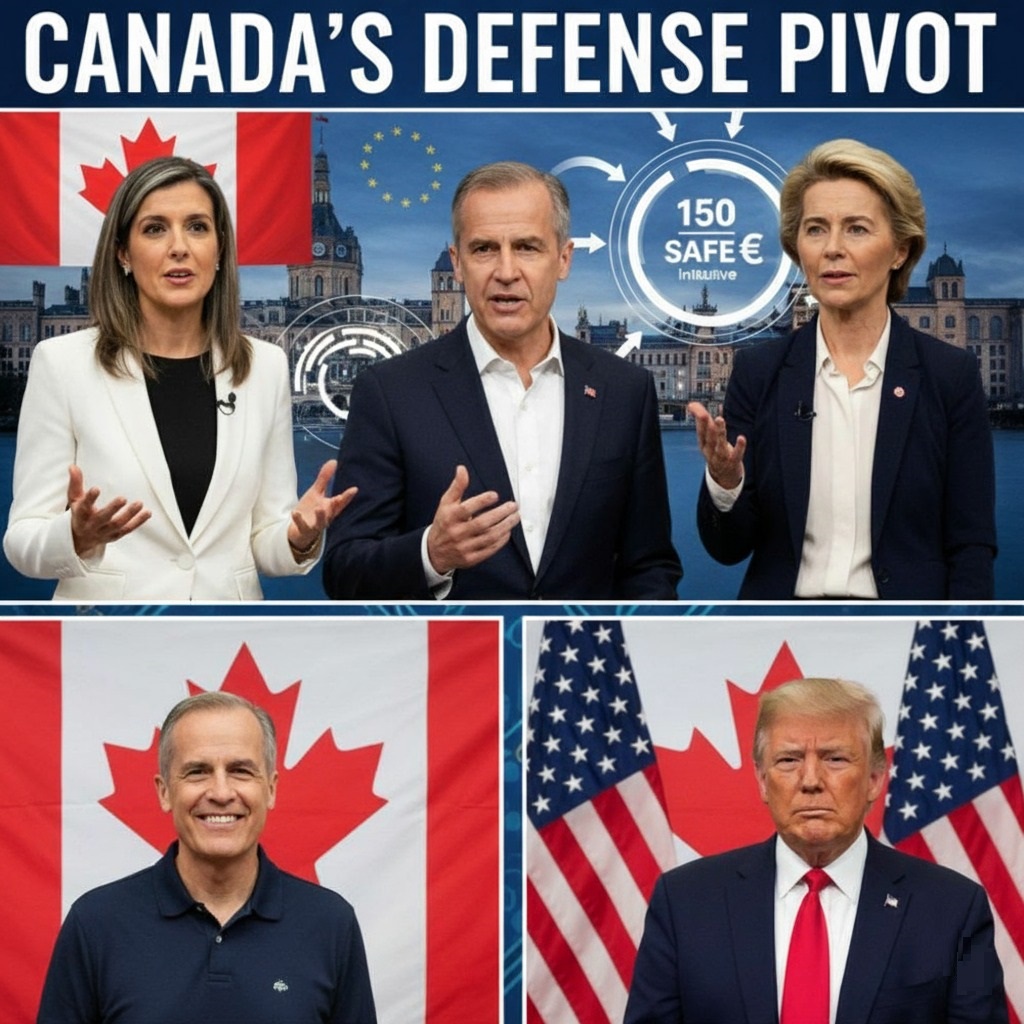
In an unprecedented move that could reshape global security dynamics, Canada has officially joined SAFE, Europe’s latest multi-billion euro defense alliance. This significant development, shrouded in secrecy until now, positions Canada as the only non-European nation welcomed into this strategic partnership, marking a pivotal moment for its defense industry and geopolitical influence.
The announcement, made discreetly, reveals a strategic shift that many Canadians were unaware of until recently. SAFE, or Security and Defense Action for Europe, is Europe’s response to escalating global tensions, particularly in light of Russia’s aggressive posture and instability in the Middle East. By inviting Canada into this alliance, Europe is signaling a desire for reliable, long-term partnerships that transcend traditional alliances.
Canada’s inclusion in SAFE is not merely symbolic; it fundamentally alters the landscape of European defense procurement. Canadian companies can now access a market projected to exceed €1.3 trillion in the next decade, providing opportunities for manufacturers of drones, armored vehicles, and advanced military technologies. This access could invigorate Canada’s defense sector, which has long operated under restrictive conditions.
The implications of this deal extend beyond economic benefits. By integrating into Europe’s defense framework, Canada gains leverage and influence in a sphere it has historically observed from the sidelines. This new role allows Canada to diversify its military partnerships, reducing its reliance on the United States while enhancing its standing in global security discussions.
Questions abound regarding the terms of Canada’s entry into SAFE. Reporters have pressed the government for details on potential costs and obligations, but officials have remained tight-lipped, citing ongoing negotiations. Speculation has intensified, particularly regarding the rumored costs that led the UK to withdraw its own bid for membership.
European negotiators have emphasized trust as a key factor in Canada’s acceptance into SAFE. In an era marked by political volatility, Canada’s reputation for stability and predictability makes it an attractive partner. This trust is crucial as Europe seeks suppliers who can deliver consistent support without the risk of sudden shifts in policy.
For Canadian defense firms, the opportunities are immense. Analysts are already heralding this as the most significant defense opportunity in Canadian history. Companies that have struggled to scale may now find themselves at the forefront of a booming market, potentially leading to job creation and economic growth across various sectors.
The geopolitical ramifications are equally profound. Canada’s military posture has long been tied to the U.S., but joining SAFE allows Canada to assert itself as an independent player in international defense. This shift not only enhances Canada’s influence but also strengthens Europe’s strategic autonomy in a rapidly changing global landscape.
As the world grapples with shifting power dynamics, Canada’s role in shaping Europe’s defense future is now more critical than ever. This deal represents a turning point, positioning Canada not just as a participant but as a key player in global security.
While the details of this alliance continue to unfold, one thing is clear: Canada has stepped into a larger, more influential role on the world stage. The implications of this membership will reverberate for years to come, marking a new chapter in Canada’s defense strategy and international relations.