

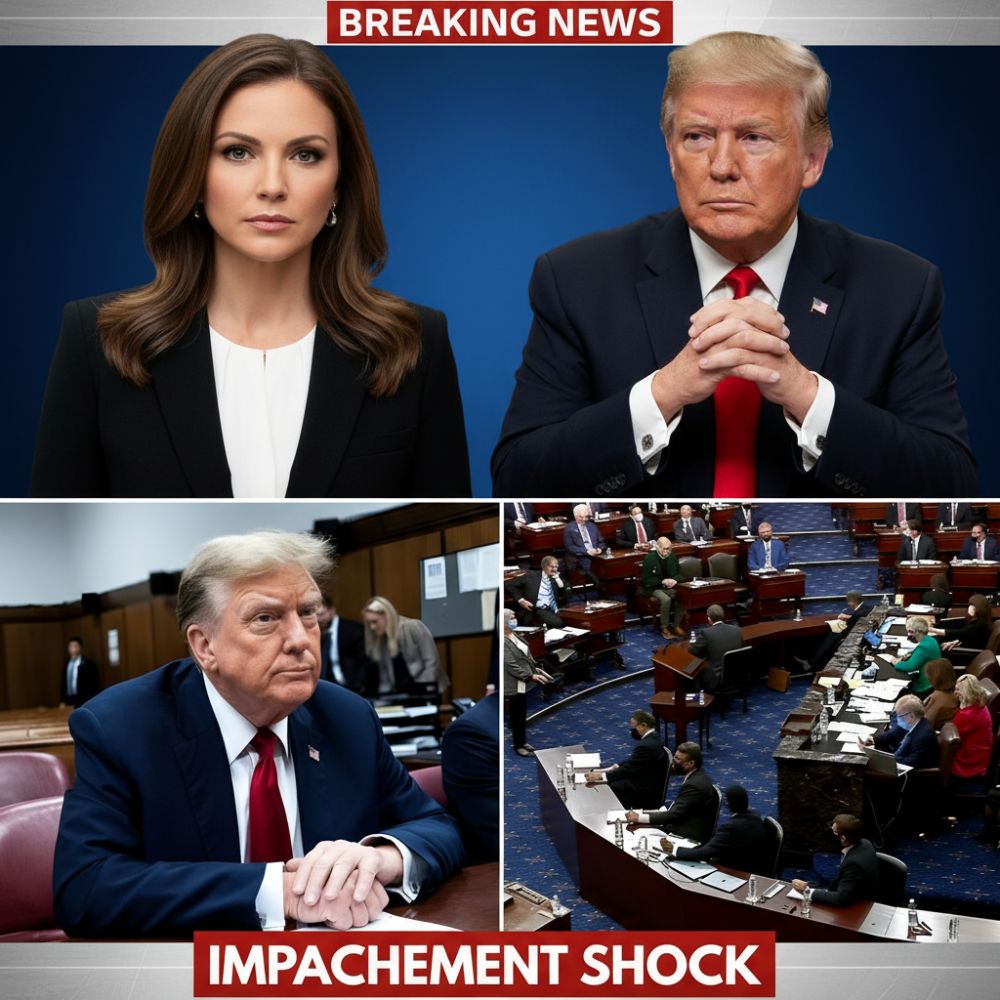
A Viral ‘Impeachment Conviction’ Claim Races Ahead of Reality as Noem Faces Intensifying Scrutiny
WASHINGTON — Late this week, social media erupted with breathless claims that Kristi Noem had been “convicted on impeachment,” that the House had delivered a stunning rebuke, and that a Senate trial was imminent. Short clips labeled “historic vote” surged across X, TikTok, and YouTube, amassing millions of views and fueling a sense that Washington had crossed a decisive constitutional threshold overnight.
It had not.
The episode underscores a widening gap between viral political storytelling and the slower, procedural reality of Congress. While Noem is under mounting political pressure and faces serious criticism from lawmakers and advocacy groups, no impeachment conviction has occurred, and no Senate trial is underway. The claims, experts say, conflated distinct steps in the impeachment process — and in doing so, transformed scrutiny into spectacle.
What Actually Happened — and What Didn’t
Under the Constitution, impeachment is a two-step process: the United States House of Representatives may impeach by passing articles with a simple majority; the United States Senate then conducts a trial and votes on conviction, requiring a two-thirds majority. “Conviction” cannot occur in the House.
This week, there was no House vote to impeach Noem and no Senate action to convict her. Congressional calendars showed no emergency sessions; committee schedules reflected routine business; and leadership offices confirmed that no articles had advanced to the floor.
What did happen was an escalation in rhetoric and organization: Democratic lawmakers publicly discussed draft impeachment articles; civil liberties groups intensified calls for hearings; and cable news segments debated whether recent actions by the Department of Homeland Security warrant formal congressional review. Those developments are real — but they are not the constitutional events circulating online.
How the Story Went Viral

The surge began with high-engagement posts that stitched together unrelated signals — draft documents, critical interviews, and past committee statements — into a single, urgent narrative. The phrasing was absolute (“House votes,” “Senate scrambling”), the tone declarative, and the visuals compelling. Algorithms did the rest.
“Impeachment claims are catnip,” said a former congressional reporter. “They’re rare, dramatic, and procedural — which makes them easy to misstate and hard for audiences to verify quickly.”
On TikTok, creators played clips of Noem’s recent press appearances beneath captions implying an immediate downfall. On X, aggregator accounts cited unnamed “insiders.” YouTube reaction videos interpreted silence from leadership as confirmation. None provided verifiable documentation — roll calls, resolution numbers, or official statements — that would accompany real impeachment action.
The Substance Behind the Noise
The viral exaggeration does not mean scrutiny is baseless. Noem’s leadership of DHS has drawn sustained criticism over immigration enforcement tactics, the scope of federal authority during domestic unrest, and statements suggesting consideration of extraordinary measures. Lawmakers have called for hearings; advocacy groups have filed complaints; and state officials have demanded clearer guardrails.
Representative Robin Kelly and others have said they are evaluating options, including whether to introduce articles of impeachment. Those discussions — preparatory and political — are often quiet by design. But preparation is not passage, and discussion is not conviction.
Why ‘Conviction’ Keeps Appearing Online
Media scholars point to a pattern: high-stakes words travel faster than precise ones. “Convicted” conveys finality; “under review” does not. In a fragmented media ecosystem, the incentive to compress complex processes into dramatic outcomes is strong.
The effect is cumulative. As more posts repeat the same claim, it gains the appearance of consensus. By the time corrections appear, the emotional response has already landed.
The Cost to Public Understanding
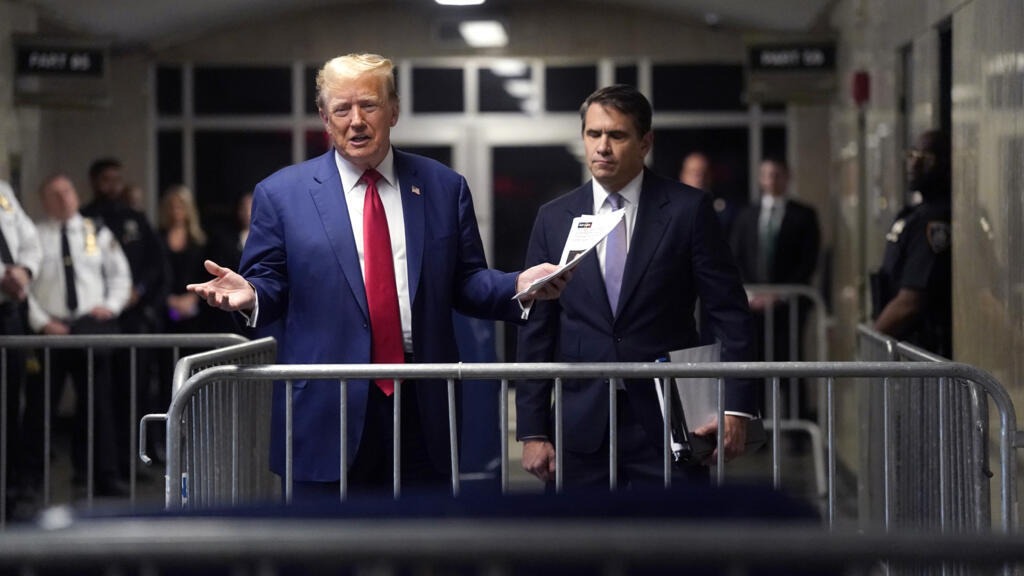
Mischaracterizing impeachment erodes trust in the process itself. When audiences are told a conviction occurred — and then learn it did not — cynicism deepens. Some conclude the media misled them; others assume institutions are hiding the truth. Neither conclusion serves democratic accountability.
Editors at major outlets, including The New York Times, have taken a cautious approach, emphasizing verifiable steps and resisting viral framing. “Impeachment leaves fingerprints immediately,” one editor said. “If there’s a vote, it’s public. If there’s a trial, it’s unmistakable.”
Where Things Stand Now
As of this writing, Noem remains in office. No articles of impeachment have been adopted by the House. No Senate trial has been scheduled. What has changed is the intensity of oversight talk and the volume of public pressure — signals that often precede hearings, subpoenas, or legislative proposals, but do not guarantee them.
For supporters, the viral claims read as misinformation designed to inflame. For critics, they reflect a hunger for accountability amid slow-moving institutions. For Congress, they present a challenge: how to conduct oversight deliberately when the public expects instant verdicts.
A Familiar Cycle
This is not the first time impeachment claims have raced ahead of reality — and it will not be the last. The combination of complex constitutional mechanics and algorithm-driven media makes misfires likely.
The takeaway is not that scrutiny lacks merit, but that precision matters. Impeachment is consequential precisely because it is formal, documented, and rare. When that gravity is borrowed by viral narratives without the facts to support it, the public conversation drifts from accountability toward confusion.
For now, the firestorm continues online, even as Congress moves at its customary pace. Whether that scrutiny culminates in hearings, articles, or nothing at all remains uncertain. What is certain is that, in Washington, words like “convicted” still mean something specific — and the distance between clicks and constitutional reality has rarely been wider.