

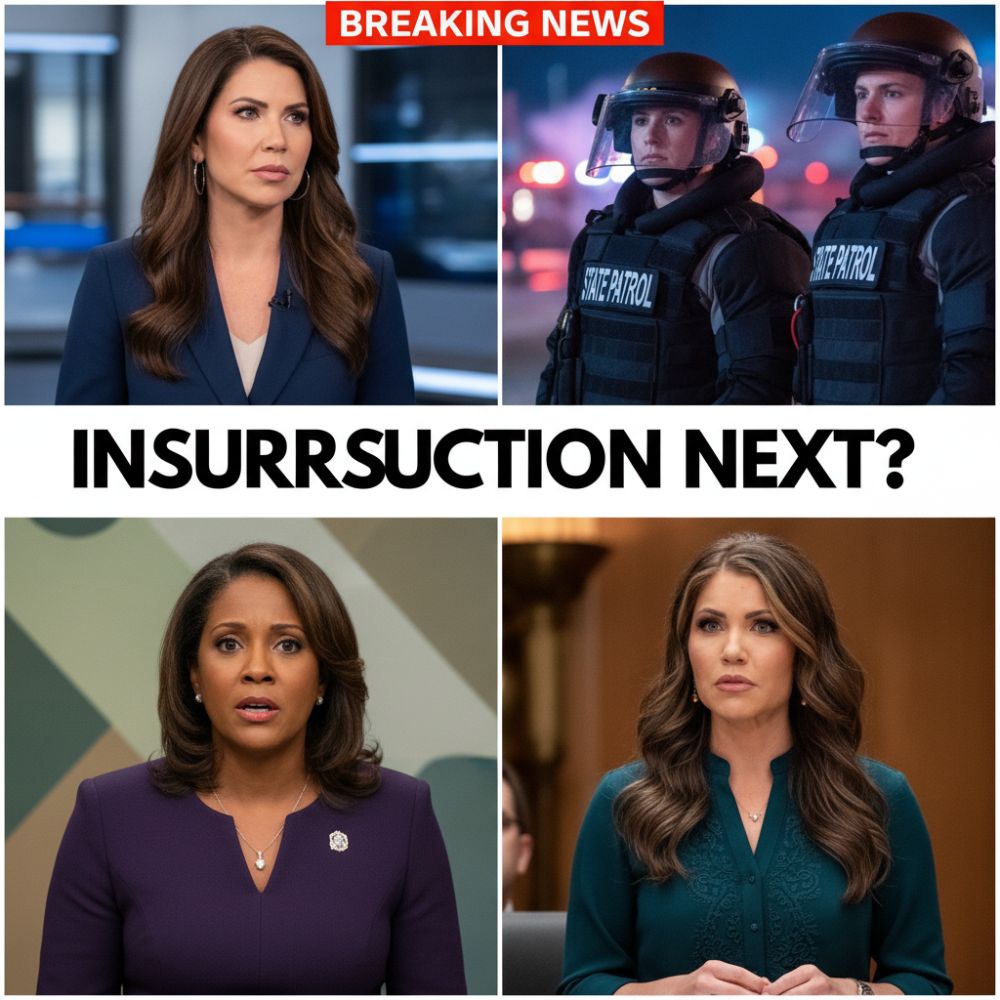
A Flashpoint in Minneapolis Puts Homeland Security Under Scrutiny
WASHINGTON — A tense press conference by the Secretary of the Department of Homeland Security this week has intensified a widening national debate over immigration enforcement, civil liberties, and the limits of federal power during domestic unrest. The remarks, delivered outside the White House as violence and protests continued in Minneapolis, have drawn sharp reactions from lawmakers, civil rights groups, and commentators across the political spectrum.
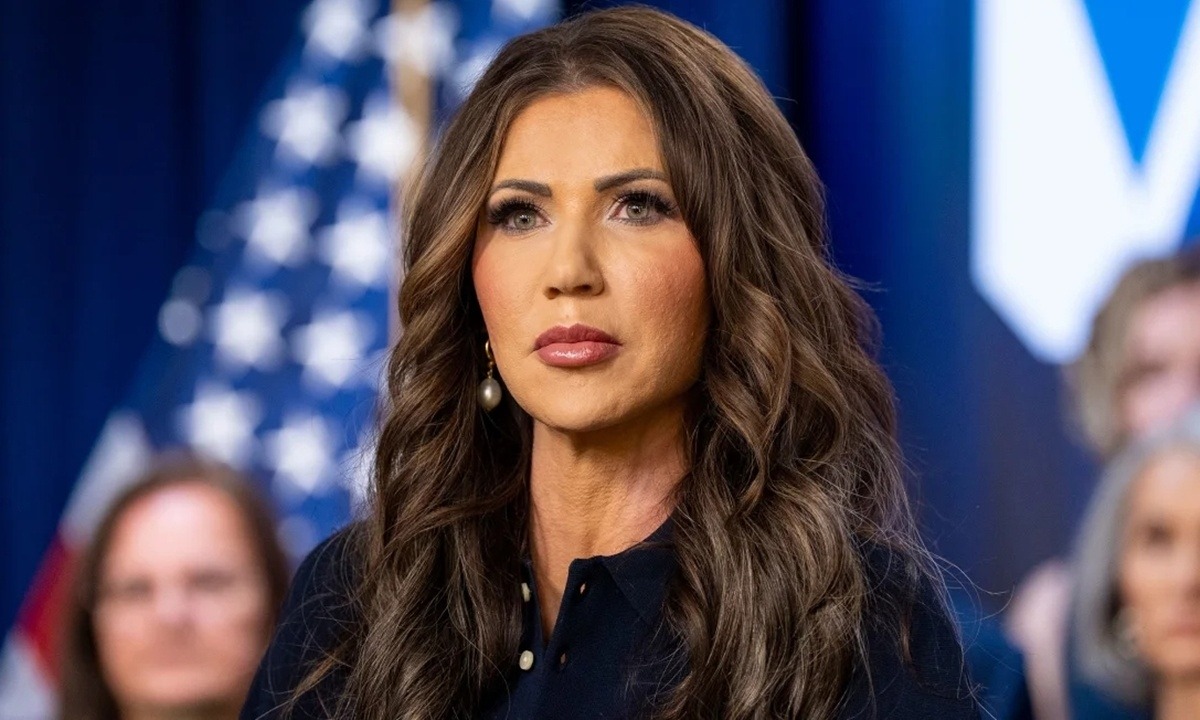
At the center of the controversy is Kristi Noem, who has defended an expanded role for Immigration and Customs Enforcement in Minneapolis following a fatal encounter involving federal agents that remains under investigation. Her statements — including comments acknowledging discussions about the possible use of the Insurrection Act and the practice of asking individuals to verify their identity during operations — have triggered accusations of overreach and renewed calls for congressional action.
A City Under Strain
Minneapolis has been on edge for days amid demonstrations, clashes with law enforcement, and heightened federal presence. Federal officials say the deployment of additional ICE personnel was intended to target individuals with serious criminal records. Local leaders and civil liberties advocates dispute that characterization, arguing that the operations have swept too broadly and escalated tensions.
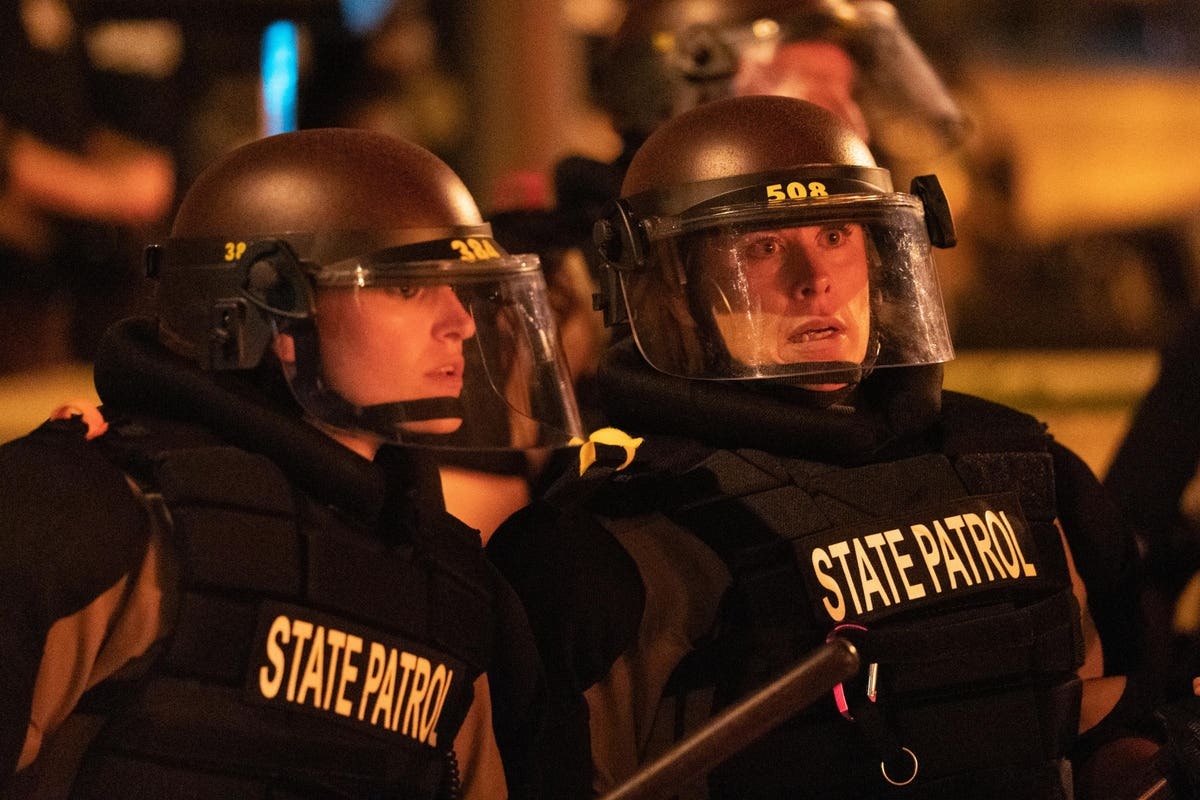
Videos shared widely on platforms such as X, TikTok, and Instagram show confrontations between demonstrators and officers, as well as scenes of residents being questioned during enforcement actions. The imagery has fueled outrage online, where critics accuse the administration of blurring the line between targeted law enforcement and intimidation.
The CNN Exchange
The debate sharpened after Noem appeared on CNN, where she argued that the administration was enforcing federal law consistently and urged lawmakers who disagreed with those laws to change them legislatively. The exchange became contentious when the host pressed her on past pardons related to attacks on law enforcement, challenging the notion of equal enforcement.
Clips from the interview spread rapidly on social media, where they were dissected and reframed by commentators with millions of followers. Media analysts note that such moments increasingly shape public understanding of policy disputes more than official statements or press releases.
Impeachment Efforts Emerge
On Capitol Hill, the controversy moved quickly from rhetoric to procedure. Representative Robin Kelly announced that she had introduced articles of impeachment against Noem, citing what she described as abuses of authority and a failure to protect constitutional rights. By midday, her office said dozens of Democratic lawmakers had signaled support.
Whether the articles will advance remains uncertain. The House leadership has not indicated that a vote is imminent, and no Republicans have publicly endorsed the effort. Still, the move underscores the degree to which immigration enforcement has become a flashpoint not only between parties, but within Congress itself.
The Press Conference
Hours after Kelly’s announcement, Noem addressed reporters outside the White House. Asked whether federal forces would withdraw from Minnesota, she said there were “no plans to pull out.” She described the situation as violent and unlawful, blamed state leadership for failing to cooperate, and confirmed that she had discussed the Insurrection Act with the president — while emphasizing that no decision had been made.
Perhaps most controversial were her comments on identity checks. When asked why Americans were being asked to provide proof of citizenship, Noem said officers sometimes ask individuals near enforcement targets to identify themselves to determine whether they are violating federal law.
Civil liberties organizations seized on that statement as a troubling signal. “Asking people on the street to prove who they are raises profound constitutional concerns,” said a spokesperson for a national advocacy group, noting that such practices risk racial profiling and erosion of Fourth Amendment protections.
Legal and Historical Context
The Insurrection Act, a rarely invoked 19th-century law, grants the president authority to deploy federal troops domestically under certain circumstances. Its mere mention often alarms legal scholars, who warn that its broad language leaves room for abuse.
“Discussing the Insurrection Act in the context of protests immediately escalates the stakes,” said a constitutional law professor at Georgetown University. “Even if it’s not invoked, the signal it sends can chill lawful dissent.”
Similarly, the question of identity checks touches on long-standing tensions between immigration enforcement and civil rights. Courts have repeatedly held that law enforcement must have reasonable suspicion to detain individuals, a standard critics say becomes murky in large-scale operations.
The Role of Social Media
Much of the public reaction has unfolded online. Influential commentators on YouTube and TikTok have framed Noem’s remarks as evidence of authoritarian drift, while supporters have praised her for taking a hard line on crime and immigration. Hashtags related to Minneapolis and ICE trended nationally within hours of the press conference.
This digital amplification has consequences. Lawmakers say they are hearing from constituents in unprecedented volume, and advocacy groups are using viral clips to mobilize supporters. In an era when policy debates play out in real time online, perception can drive pressure as much as facts.
Political Stakes
For the administration, the episode comes at a delicate moment. Immigration remains one of the most polarizing issues in American politics, and images of federal agents confronting civilians carry symbolic weight far beyond the specifics of any single operation.
For Democrats, the impeachment push reflects frustration with what they see as unchecked executive authority. For Republicans, defending Noem risks association with tactics that may alienate moderates, even as the party’s base demands aggressive enforcement.
What Comes Next
As investigations into the Minneapolis incident continue, several paths remain open. Congress could pursue hearings or votes on the impeachment articles. Courts may be asked to weigh in on the legality of enforcement practices. And federal officials could adjust tactics in response to mounting criticism.
What is clear is that the episode has crystallized broader anxieties about power, policing, and the rule of law. The questions raised — about who must show identification, when federal force is justified, and how dissent is treated — reach beyond Minneapolis.
In the coming weeks, the debate over Kristi Noem’s actions may fade or intensify. Either way, it has already revealed how quickly domestic security decisions can become national flashpoints, reshaping conversations about democracy, authority, and the rights of citizens in moments of crisis.