

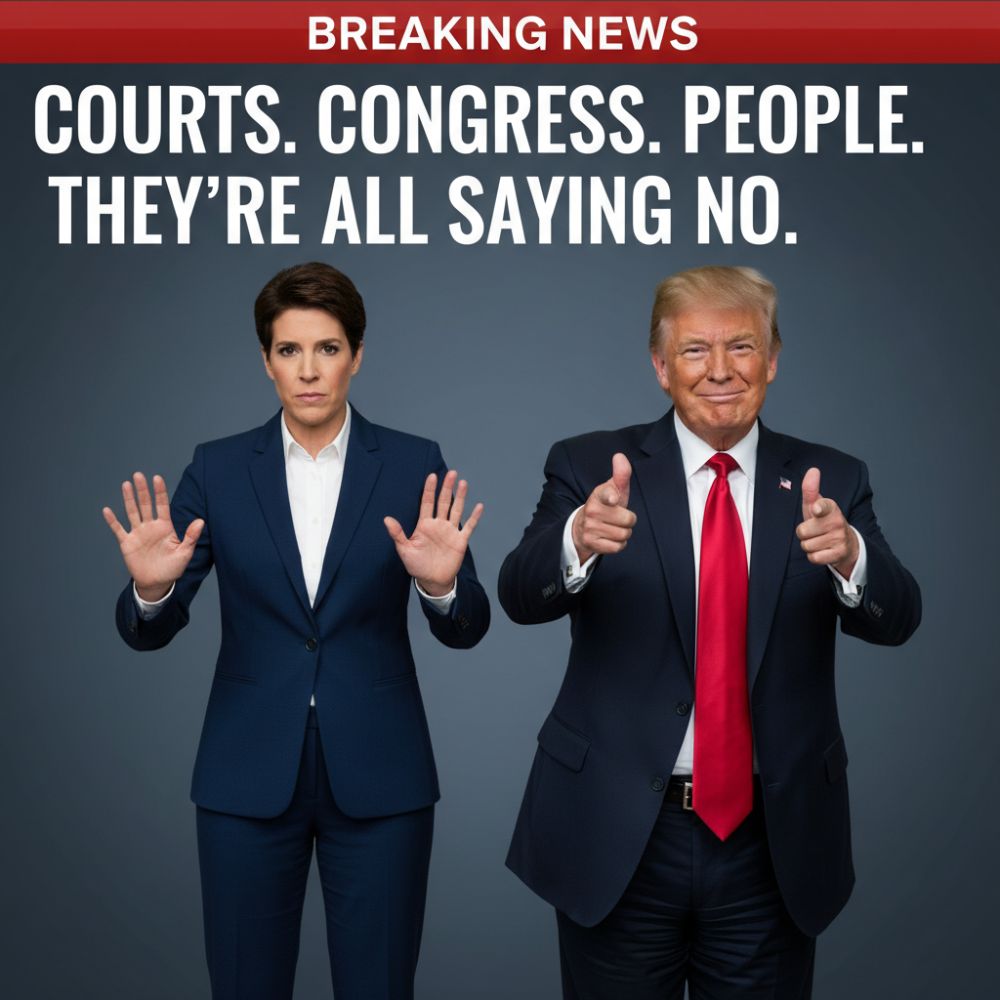
In a riveting episode of “The Rachel Maddow Show” aired on January 19, 2026, host Rachel Maddow delivered a comprehensive breakdown of President Donald Trump’s recent setbacks.
Maddow, known for her meticulous storytelling, opened the show with a calm yet urgent tone, framing the night’s discussion around a central theme: Trump’s administration facing rebukes from multiple fronts.
She highlighted how courts, Congress, and public protests are challenging what she described as unchecked executive power, drawing viewers in with archival footage and real-time updates.
Maddow’s hosting style was characteristically methodical, using on-screen graphics to connect disparate events into a cohesive narrative.
She paused frequently to emphasize key quotes, ensuring viewers grasped the implications without overt editorializing.
This approach kept the segment objective while underscoring the gravity of the developments.
The episode began with a deep dive into Trump’s military actions in Venezuela, which Maddow presented as a flashpoint for congressional pushback.
She recounted the January 3, 2026, U.S. operation that captured Venezuelan President Nicolás Maduro, citing administration claims of combating narco-terrorism.
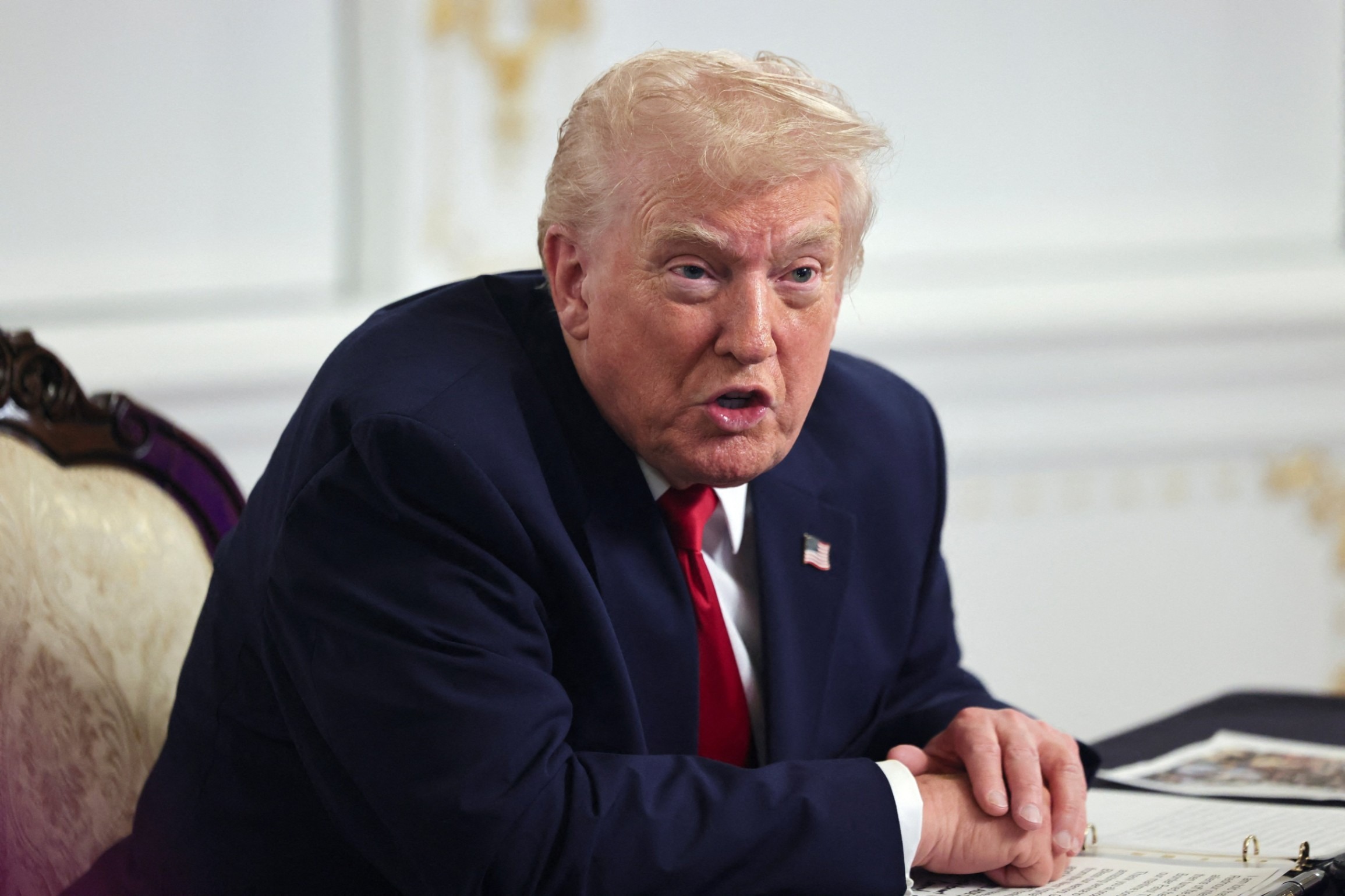
Maddow displayed subtitles from Trump’s press conference, where he stated the U.S. would “run” Venezuela temporarily, focusing on oil resources.
To provide context, Maddow explained the historical pattern of U.S. interventions in Latin America, referencing the Monroe Doctrine and past actions like the 1989 Panama invasion.
She noted that Trump’s move lacked congressional authorization, leading to bipartisan unease.
Maddow then transitioned to recent Senate actions, showing clips of a 52-47 vote invoking the War Powers Resolution to demand approval for further military escalation.
Five Republicans joined Democrats in this rebuke, signaling cracks in GOP unity.
Expanding on the Venezuela segment, Maddow detailed the operation’s toll: at least 80 deaths, including civilians, and international condemnation from allies like China and Russia.
She quoted experts arguing the invasion violated international law, lacking Venezuelan consent and breaching U.N. Charter Article 2(4).
Maddow’s delivery here was precise, using maps and timelines to illustrate the rapid escalation from indictments to airstrikes.
Critics, she reported, see it as a pretext for securing oil access, with Trump explicitly mentioning U.S. companies taking over Venezuelan operations.
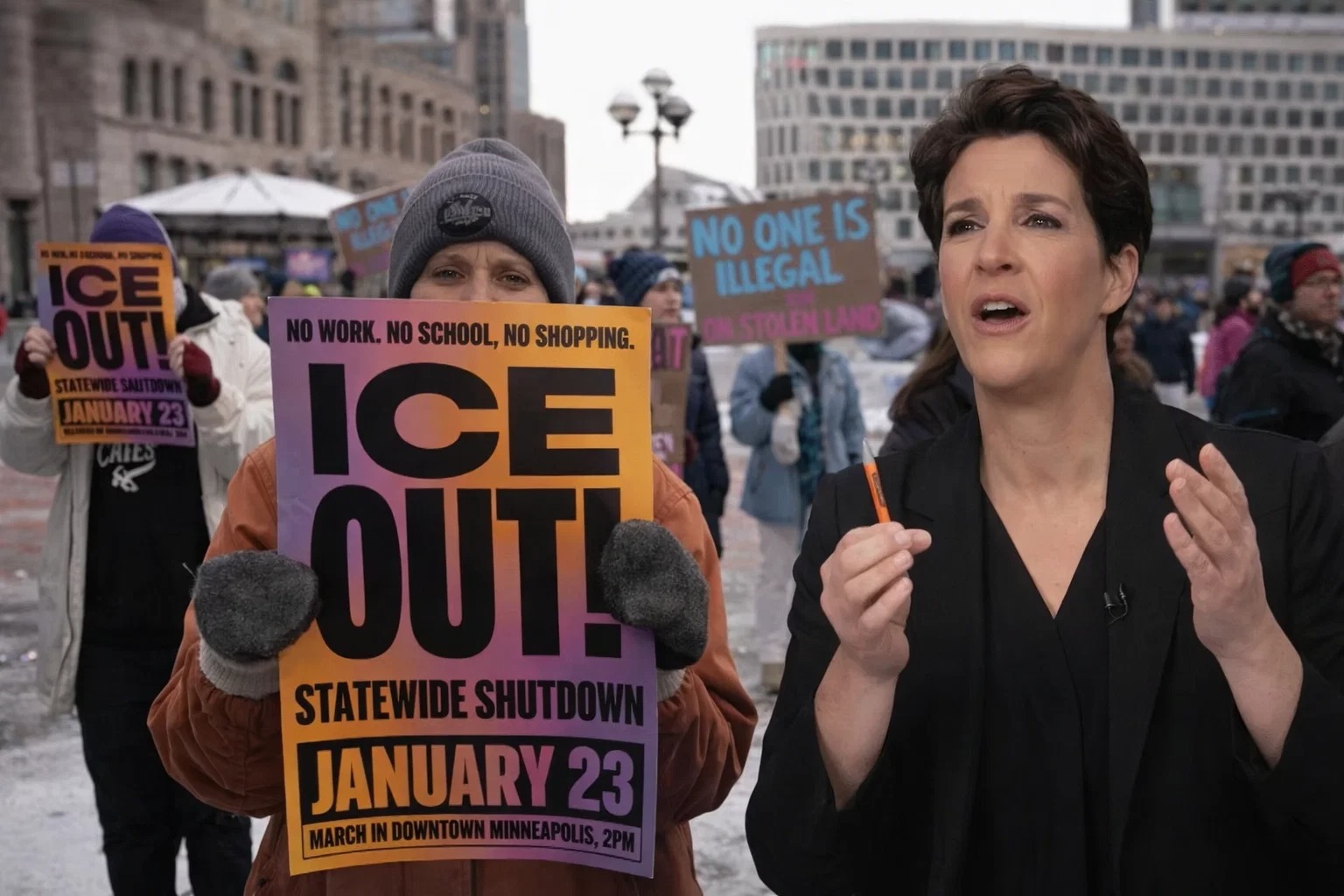
This, Maddow noted, echoes historical U.S. pursuits in the region, such as interventions during the Cold War to counter perceived threats.
She avoided speculation, sticking to verified reports from sources like Brookings Institution analyses.
Shifting gears, Maddow addressed the fatal shooting of Renee Good by an ICE agent in Minneapolis on January 7, 2026.
She played bystander videos, with subtitles capturing the chaos: agents demanding Good exit her vehicle before shots were fired.
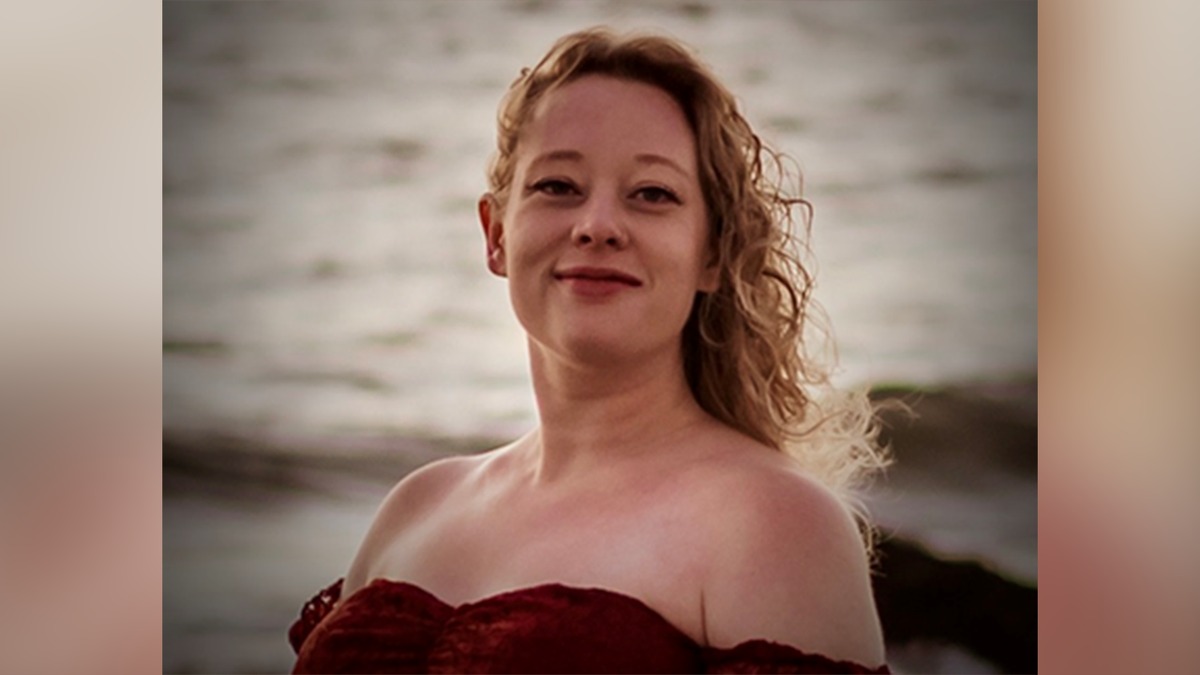
Maddow reported Good, a 37-year-old mother, suffered multiple gunshot wounds, including to the head, as confirmed by a family-commissioned autopsy.
The incident occurred during “Operation Metro Surge,” part of Trump’s mass deportation push.
Maddow explained the broader context: ICE’s force doubling to over 22,000 agents, funded by recent congressional allocations.
She highlighted initial White House rhetoric labeling Good a “deranged lunatic,” later softened after learning her father’s political affiliations.
Maddow’s tone grew somber as she detailed the aftermath: agents preventing medical aid, sparking outrage and protests.
To deepen understanding, she drew parallels to past ICE controversies, like family separations in Trump’s first term.
She noted legal challenges, including lawsuits questioning ICE’s unchecked power and potential civil rights violations.
The show then covered nationwide protests erupting on the one-year mark of Trump’s second inauguration, January 20, 2026.
Maddow showed footage from cities like Minneapolis, Los Angeles, and Washington, D.C., where thousands marched against immigration policies and perceived executive overreach.
Subtitles from protest signs read “No ICE Terror” and “Stop Unchecked Power,” reflecting public discontent.
She reported a 77% surge in demonstrations in 2025, driven by anti-Trump sentiment, with many focusing on migrant rights.
Maddow connected this to historical movements, like the 2020 Black Lives Matter protests, noting how federal responses often escalate tensions.
In Minneapolis, she said, clashes with ICE agents have led to threats of invoking the Insurrection Act.
Her presentation used split-screen visuals: protest crowds alongside congressional debates, emphasizing grassroots pressure influencing lawmakers.
Advocates, Maddow added, urge Congress to curtail ICE funding amid shifting public opinion.
Maddow highlighted congressional rebukes, including a failed House vote to limit war powers in Venezuela, passing 215-215 but showing GOP divisions.
She detailed Senate Republicans blocking similar measures, yet noting private concerns among members.
This, she explained, fits a pattern of Congress asserting authority, like maintaining education funding against Trump’s cuts.
Expanding historically, Maddow recalled Trump’s first-term vetoes and overrides, such as failed attempts in 2021.
She quoted lawmakers arguing unauthorized actions undermine constitutional checks.
Maddow’s style shone here: she read from bills and reports, breaking down legalese for accessibility.
Courts provided another layer of rebuke, as Maddow outlined recent rulings against Trump policies.
She cited a federal judge blocking restrictions on lawmakers visiting ICE facilities, preserving oversight.
Other decisions included rebukes on grant cuts tied to diversity and unlawful deportations.
Maddow referenced strong judicial language, like judges calling actions “grossly negligent” or discriminatory.
She connected this to broader judicial independence, noting Trump’s criticisms of judges as “lunatics.”
Historically, she compared it to Nixon-era court battles, emphasizing the judiciary’s role in checking executive power.
Maddow wrapped this segment with a timeline graphic, showing escalating legal losses.
Turning to international affairs, Maddow covered Trump’s announcement of the “Board of Peace” at the World Economic Forum in Davos on January 22, 2026.
She played clips of Trump signing the charter, hailing it as a body to oversee Gaza’s ceasefire and potentially rival the U.N.
Subtitles captured his claim: “Everyone wants to be a part,” despite many allies opting out.
Maddow explained the board’s evolution from a Gaza-focused entity to a broader conflict-resolution panel, chaired by Trump.
She noted the $1 billion buy-in for permanent membership, drawing criticism for resembling an “imperial court.”
For context, Maddow recapped the Israel-Hamas war, starting October 7, 2023, and U.S. involvement in ceasefires.
She highlighted European skepticism, with logos resembling the U.N. emblem sparking mockery.
Maddow’s delivery included expert quotes, maintaining balance by noting potential for Gaza reconstruction.
In detailing Gaza plans, Maddow discussed demilitarization and governance reforms under the board.
She showed images of war-torn areas, explaining U.S. commitments to rebuilding while allies hesitate.
This segment tied back to domestic protests, as some demonstrators link U.S. foreign policy to immigration crackdowns.
Maddow noted Russia’s use of Venezuela to justify Ukraine actions, illustrating global ripple effects.
She expanded on Gaza’s history: decades of conflict, blockades, and failed peace talks like Oslo Accords.
Maddow emphasized humanitarian costs, with over 40,000 deaths reported in recent escalations.
Throughout the episode, Maddow wove in public sentiment, citing polls showing declining approval for Trump’s immigration and foreign policies.
She reported shifting opinions on ICE, with calls for abolition amid violence.
This, she said, echoes 2018 outcry over family separations.
Maddow’s conclusion tied threads together: a president facing institutional and public resistance.
She ended on a note of civic engagement, urging viewers to stay informed without alarmism.
Her hosting—detailed, evidence-based—reinforced the show’s reputation for in-depth journalism.
The episode ran approximately 45 minutes, blending news clips, expert interviews, and historical footnotes.
Maddow’s pauses for emphasis allowed complex issues to resonate, maintaining viewer engagement.
Overall, it portrayed a administration under siege, grounded in factual reporting.
In expanding on protests, Maddow detailed events in Asheville and Phoenix, where walkouts disrupted daily life.
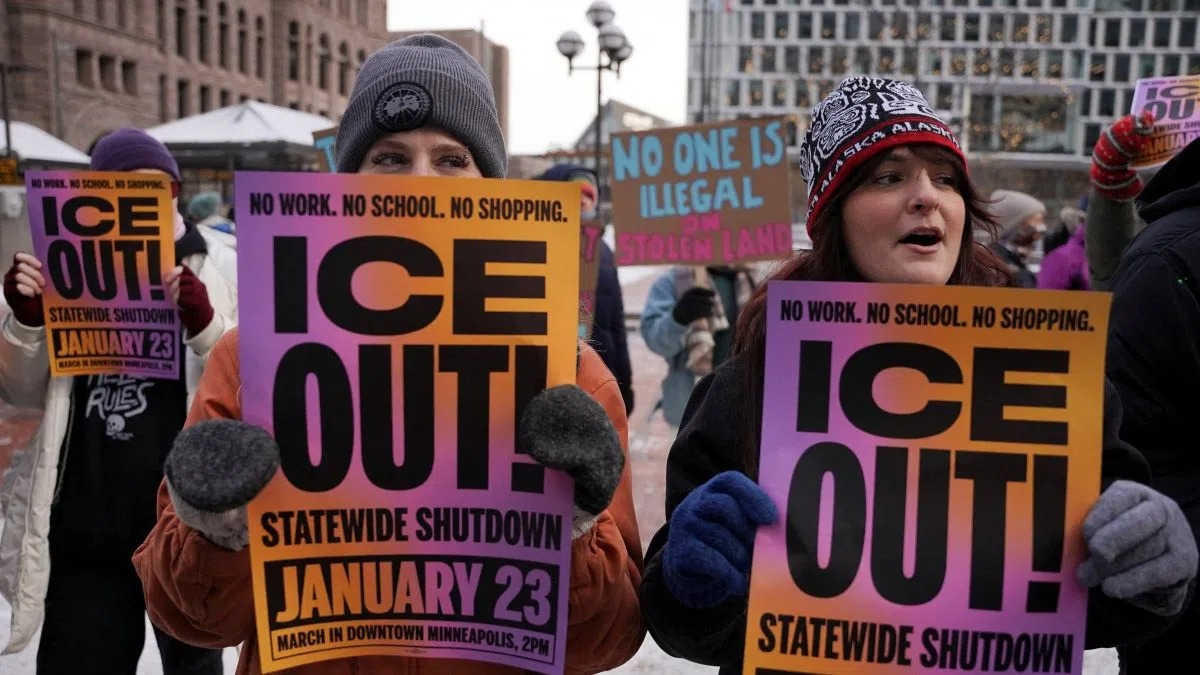
She explained how social media amplified videos of ICE confrontations, fueling nationwide mobilization.
Historically, she compared to anti-war protests of the 1960s, noting how unchecked power erodes trust.
For Venezuela, Maddow delved into Maduro’s indictment, arguing it didn’t justify invasion under international law.
She quoted legal experts on head-of-state immunity and lethal force thresholds.
This added depth, showing long-term implications for U.S. global standing.
On Renee Good, Maddow explored autopsy findings: shots to arm, chest, and head, questioning necessity.
She discussed potential lawsuits, noting barriers like qualified immunity but possibilities under civil rights laws.
Context included Trump’s doubling of ICE, linking to broader deportation goals.
Maddow’s narrative built empathy, focusing on Good’s life as a poet and mother.
For congressional actions, she broke down veto overrides, like failed attempts on infrastructure projects.
This illustrated partisan divides but growing GOP dissent.
Historically, she referenced Watergate-era reforms like War Powers Act.
In court segments, Maddow cited Supreme Court reversals but emphasized lower court wins against Trump.
She explained judicial independence, crucial amid impeachment threats.
This segment underscored the Constitution’s checks and balances.
On the Board of Peace, Maddow detailed founding members and absences, like Canada after tariff disputes.
She explored Gaza’s post-war needs: reconstruction amid ceasefire fragility.
Context included U.N. endorsements but fears of undermining multilateralism.
Maddow concluded by noting Trump’s Davos speech, using subtitles to highlight ambitions.
Her episode, rich in detail, provided a roadmap for understanding interconnected crises.
Viewers left with a sense of ongoing accountability, as institutions and citizens respond.