

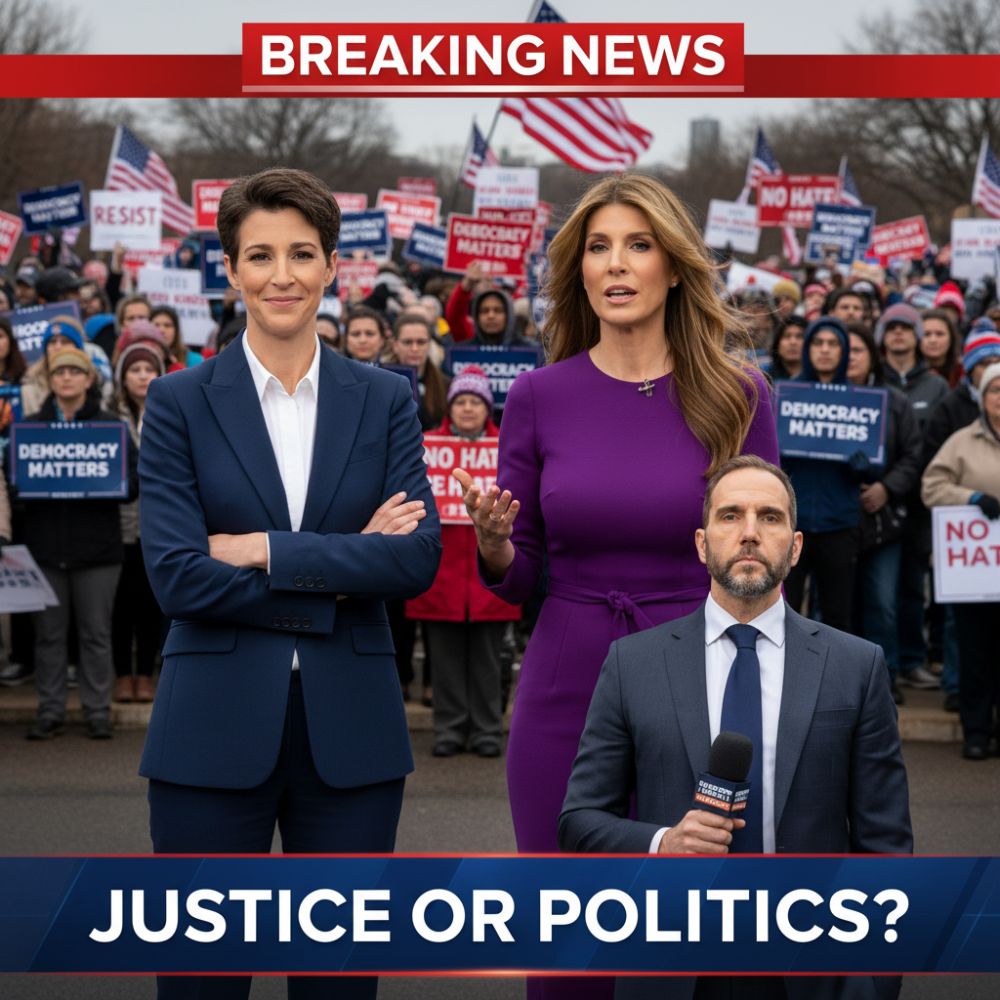
Former Special Counsel Jack Smith’s public testimony before the House Judiciary Committee on January 22, 2026, highlighted his defense of investigations into Donald Trump’s actions related to the 2020 election and classified documents.
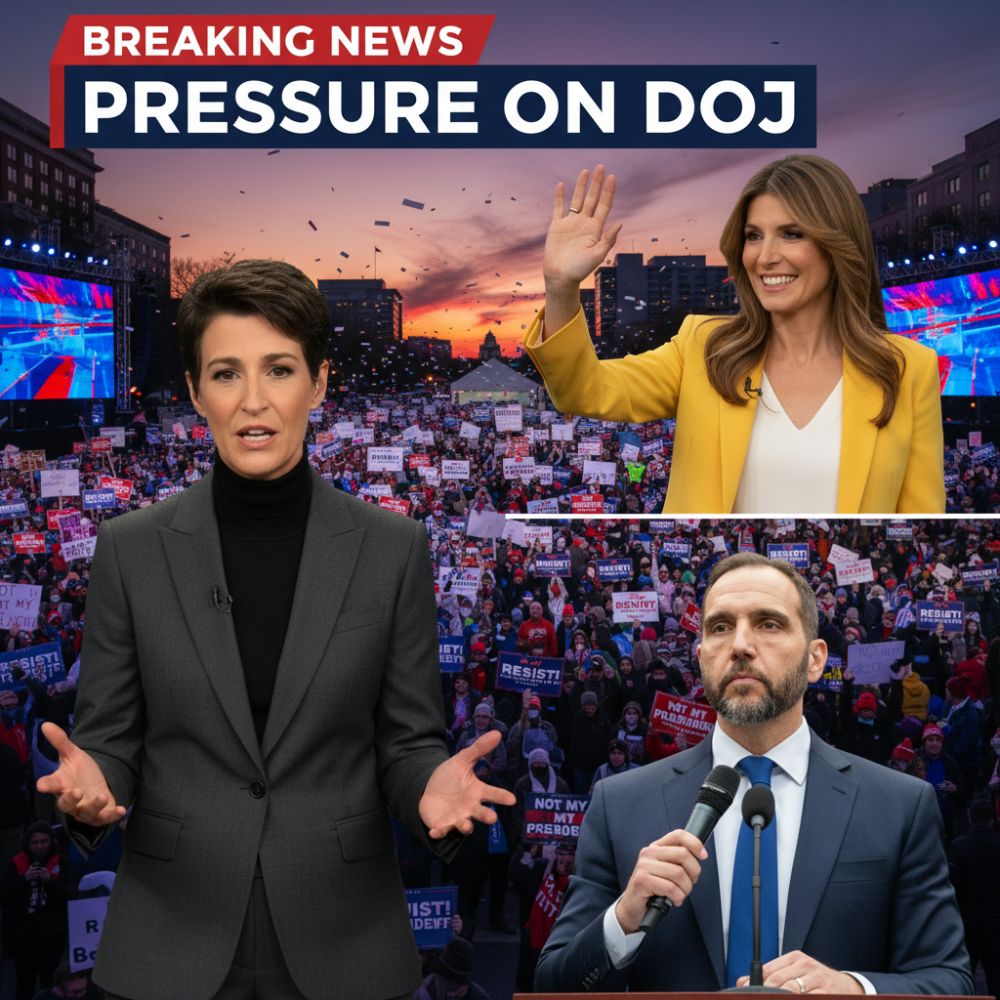
The hearing, broadcast on C-SPAN, drew sharp reactions from MSNBC anchors during a special segment on The Rachel Maddow Show, where host Rachel Maddow facilitated a discussion on the implications for American democracy.
Maddow opened the segment with her signature narrative style, weaving historical context into the current events to underscore the gravity of Smith’s words.
She began by recounting the evolution of special counsel investigations, drawing parallels to the Mueller probe during Trump’s first term, emphasizing how political pressures have eroded institutional trust over time.
In the testimony, Smith detailed his 30-year career as a prosecutor, asserting that his decisions were driven solely by facts and law, without political interference from Attorney General Merrick Garland or President Biden.
He described the evidence in the election interference case as overwhelming, including Trump’s knowledge of false fraud claims and efforts to pressure officials like Vice President Mike Pence to reject electoral votes.
Smith noted, “The evidence here made clear that President Trump was by a large measure the most culpable,” highlighting how crimes were committed for Trump’s benefit.
The classified documents probe, Smith explained, involved willful retention of national defense information at Mar-a-Lago, mixed with personal items in what he called “Beautiful Mind” boxes, despite multiple opportunities for return.
He defended the search warrant as based on probable cause, rejecting claims of bias and affirming that he would prosecute any president—Republican or Democrat—under similar circumstances.
Historically, Smith’s appointment in November 2022 followed Trump’s announcement of his 2024 candidacy, aiming to insulate the investigations from perceived conflicts within the DOJ.
The cases stemmed from the January 6, 2021, Capitol attack and the mishandling of over 300 classified documents recovered from Trump’s Florida estate, amid broader concerns about election subversion.
Smith’s final report, released in January 2025 after charges were withdrawn following Trump’s 2024 election victory, detailed these probes without recommending further action, citing policy against prosecuting a sitting president.
On The Rachel Maddow Show, Maddow transitioned smoothly to guest Nicolle Wallace, prompting her to share initial reactions to Smith’s composed demeanor amid GOP questioning.
Maddow’s delivery was measured yet emphatic, using pauses for emphasis when discussing threats to prosecutors, such as Trump’s public calls for retribution, which Smith addressed as attempts to intimidate.
She interwove clips from the hearing, analyzing how Smith’s responses exposed partisan theatrics, like Chairman Jim Jordan’s focus on toll records subpoenas rather than substantive evidence.
Wallace, appearing emotional, stated, “I watched this with a lump in my throat, thinking nostalgically about what the DOJ has become,” contrasting its current state under perceived Trump influence with its historical role as a bastion of independence.
Maddow nodded affirmatively, guiding the conversation to broader implications, asking how such testimony might restore public faith in the rule of law amid ongoing DOJ upheavals.
This interaction showcased Maddow’s skill in balancing guest emotions with factual anchoring, maintaining an objective tone while probing deeper analyses.
The panel, including Chris Hayes, Ari Melber, and Lawrence O’Donnell, echoed sentiments that “Trump belongs in prison,” based on Smith’s outlined evidence, though Maddow reframed it as a reflection on accountability rather than partisanship.
She highlighted Smith’s pride in his team despite personal threats, including Trump’s labeling of him as a “deranged lunatic” and executive actions suspending clearances.
Maddow’s style here involved connecting dots: linking Smith’s testimony to past DOJ controversies, like Attorney General William Barr’s handling of the Mueller report in 2019, which minimized findings on Russian interference.
Barr’s tenure saw accusations of politicization, such as intervening in cases involving Trump allies like Roger Stone and Michael Flynn, setting a precedent for the concerns Smith raised about independence.
In historical context, the DOJ has faced similar pressures, from Watergate-era firings under Nixon to more recent debates over special counsels like Robert Mueller and John Durham.
Smith’s deposition transcript, released December 31, 2025, after a closed-door session, provided the foundation for his public appearance, where he reiterated no White House interference and adherence to Justice Manual guidelines.
During the hearing, Rep. Jamie Raskin questioned the impact on democracy, to which Smith responded “catastrophic,” emphasizing how false election claims eroded trust.
Maddow amplified this in her show, using graphics to illustrate the “through line of deceit” Smith described, from fake electors in states like Michigan and Pennsylvania to pressure on state officials.
 Her analytical approach involved breaking down complex legal terms, explaining toll records as metadata-only subpoenas, not content interception, to clarify misconceptions raised by Republicans.
Trump’s reactions, often voiced at rallies, included vows of retribution against prosecutors, which Smith viewed as harmful to national safety, especially with pardons for January 6 participants.
In 2025-2026, Trump’s return to influence has led to reported DOJ changes, including firings and appointments criticized as loyalist placements, fueling the nostalgia Wallace expressed.
Maddow’s hosting ensured the segment remained focused, transitioning between guests to cover angles like witness intimidation, which Smith called “the most corrosive thing to the rule of law.”
Hayes contributed by noting GOP inconsistencies in demanding transparency while denying Smith’s public testimony request earlier.
Melber, with his legal background, dissected the immunity brief Smith filed, a 165-page document arguing against absolute presidential immunity, influenced by Supreme Court rulings.
O’Donnell wrapped up with historical parallels, aligning with Maddow’s narrative style that often frames current events within America’s democratic traditions.
The DOJ headquarters in Washington, D.C., symbolizes the institution at the heart of these debates, having weathered scandals from various administrations but facing unprecedented scrutiny post-2024 election.
Smith’s emphasis on non-partisan prosecution—stating he would pursue cases against figures like Obama or Biden if facts warranted—resonated in Maddow’s discussion as a defense of institutional norms.
Wallace’s lump-in-throat moment captured the panel’s collective concern over the DOJ’s transformation, from a pillar of justice to what critics call a tool for political vendettas.
Maddow concluded the segment by reiterating the stakes: the testimony not only reviewed past investigations but warned of future threats to democratic processes.
This approach exemplifies her presentation: informative, contextual, and engaging, without overt editorializing, allowing facts and guest insights to drive the narrative.
Broader historical context includes the Special Counsel regulations established post-Watergate in 1978, reformed in 1999, which Smith operated under, ensuring independence from daily DOJ oversight.
Trump’s cases marked a historic first: indictments of a former president, with the election interference charge covering efforts to overturn results in seven states through fake electors and January 6 mobilization.
Smith detailed pushback from officials, such as texts calling the plan fraudulent, underscoring the evidence’s strength despite eventual dismissal.
In the Manhattan conviction precedent from 2024, lessons for federal cases included streamlined presentations, which Smith applied by focusing on Trump as the primary actor.
Maddow’s show segment, lasting about 20 minutes, used split-screen visuals of the hearing and panel, enhancing viewer understanding of the interplay between testimony and analysis.
Her emphasis on threats—Smith confirming personal and staff intimidation—highlighted ongoing risks, tying into reports of DOJ morale plummeting amid 2026 changes.
Wallace’s nostalgia evoked the DOJ’s role in landmark cases, like civil rights enforcement in the 1960s, contrasting with current fears of authoritarian drift.
Trump’s public statements in 2025-2026, often criticizing the Fed and DOJ alike, reflect a pattern of targeting institutions, as seen in his actions against Special Counsel Mueller.
Smith’s testimony, therefore, served as a capstone to years of legal scrutiny, with Maddow’s coverage providing a platform for reflection on accountability.
Ultimately, the event underscores enduring tensions between executive power and judicial independence, with implications for future administrations.
While Smith’s cases closed without trial, his words on the podium reinforced the principle that no one is above the law, a theme Maddow masterfully amplified through her thoughtful moderation.