

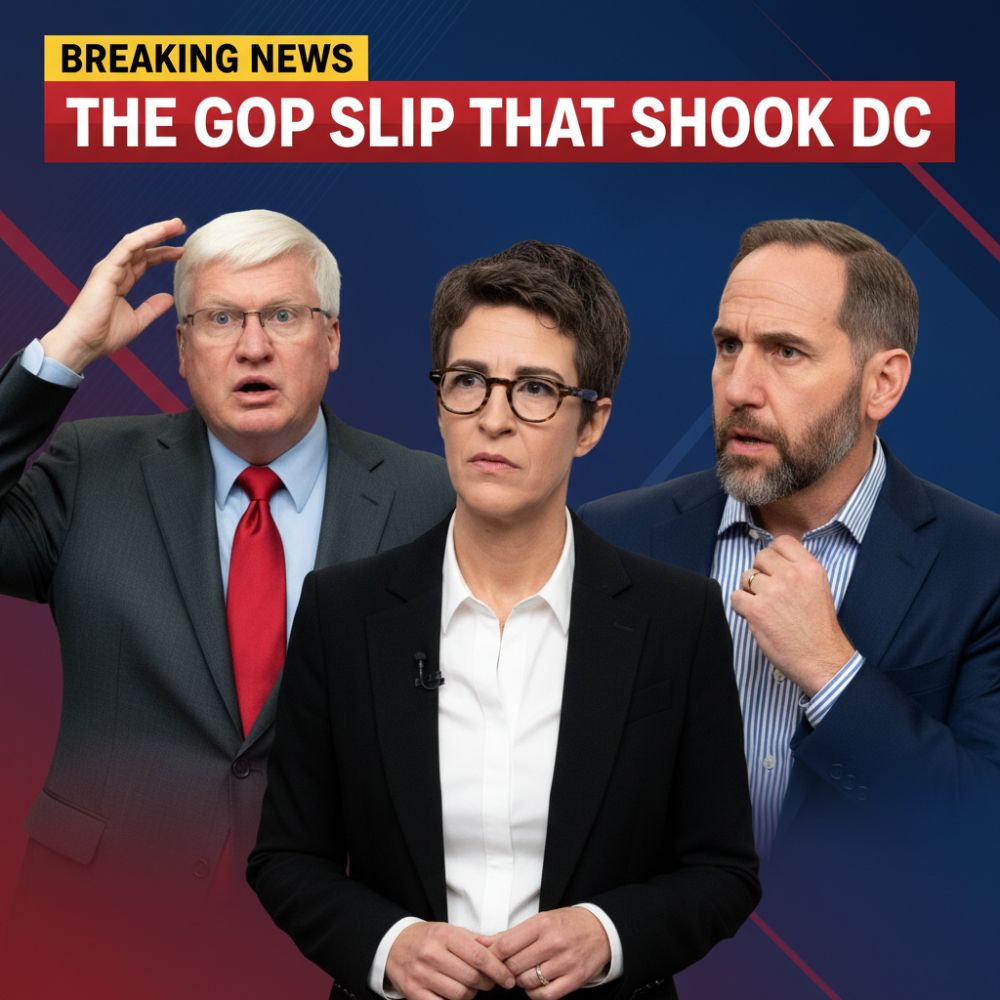
In a recent segment on “The Rachel Maddow Show,” host Rachel Maddow drew attention to a verbal slip by Republican Congressman Glenn Grothman of Wisconsin.
The clip highlighted Grothman’s momentary agreement with Special Counsel Jack Smith’s assertion that Donald Trump knew he had lost the 2020 presidential election.
This moment underscored ongoing debates about election integrity and Trump’s persistent denial claims.
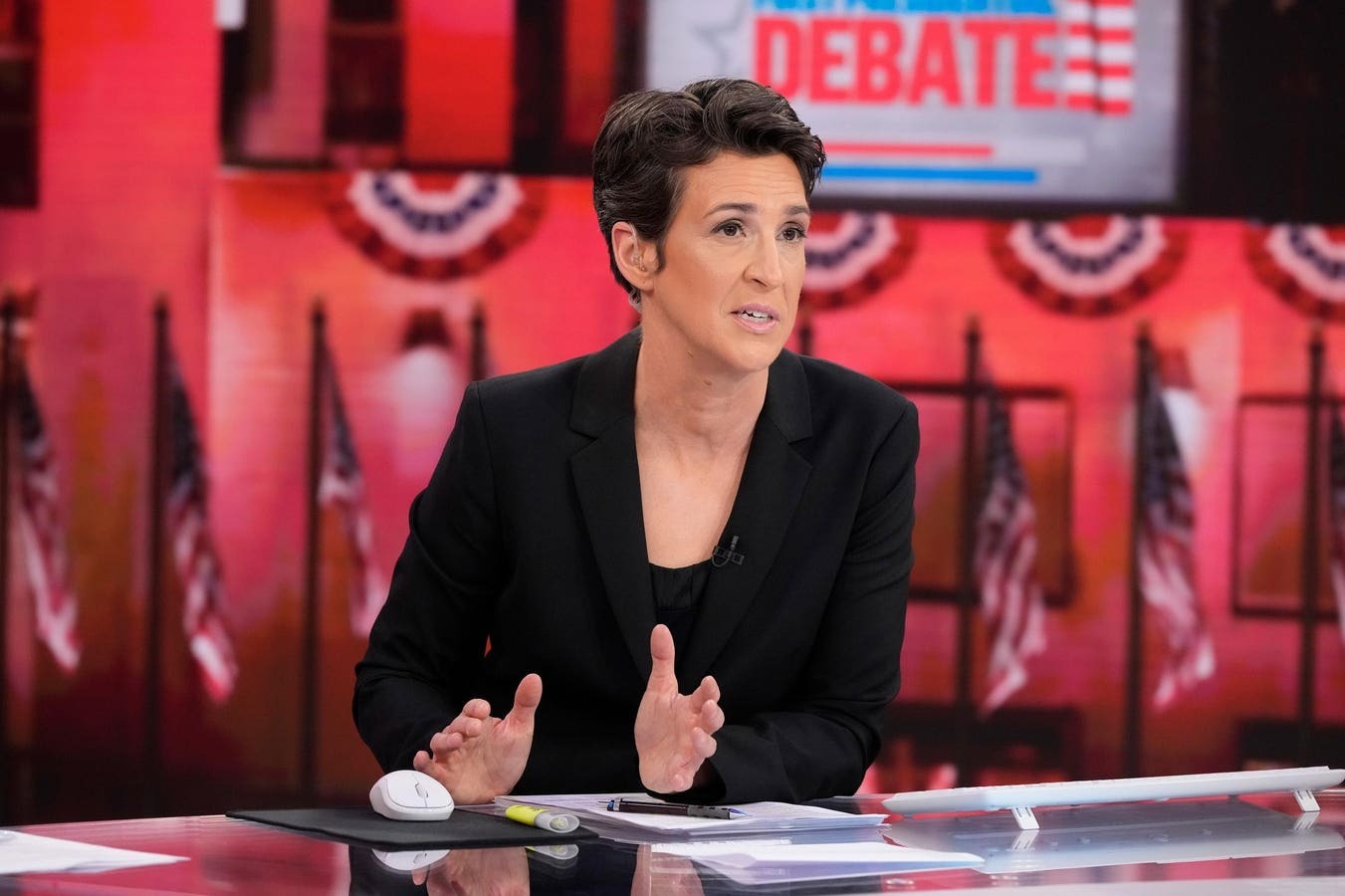
Maddow, known for her in-depth political analysis, couldn’t resist injecting humor into the discussion.
She replayed the footage of Grothman stumbling over his words during a congressional hearing.
The host’s playful commentary emphasized the irony in the congressman’s unintended candor.
The segment began with Maddow setting the scene of a House Judiciary Committee session focused on Smith’s investigations.
Grothman, while defending Trump, inadvertently stated that “anybody who says that Donald Trump thought he won the election is naive.”
This slip aligned with Smith’s findings that Trump was aware of his defeat but pursued efforts to overturn the results.
Grothman quickly attempted to correct himself, clarifying his intent to argue that Trump genuinely believed he had won.
However, the initial phrasing provided fodder for critics, suggesting an unconscious acknowledgment of the facts.
Maddow paused the clip multiple times to dissect the language, highlighting the Freudian slip aspect.
Her presentation style is characterized by a methodical buildup of facts, often interspersed with wry observations.
In this instance, Maddow’s tone shifted from serious exposition to light-hearted amusement, engaging viewers through relatable reactions.
She used on-screen graphics to replay key phrases, reinforcing the segment’s analytical depth.
This approach exemplifies Maddow’s signature method: blending journalism with storytelling to make complex issues accessible.
She avoids overt sensationalism, instead relying on evidence and context to draw conclusions.
Viewers often praise her for maintaining composure while injecting subtle humor into absurd political moments.
To understand the significance, consider the broader context of Jack Smith’s probe into Trump’s actions post-2020 election.
Smith, appointed in 2022, investigated allegations of election interference, including attempts to pressure officials and organize alternate electors.
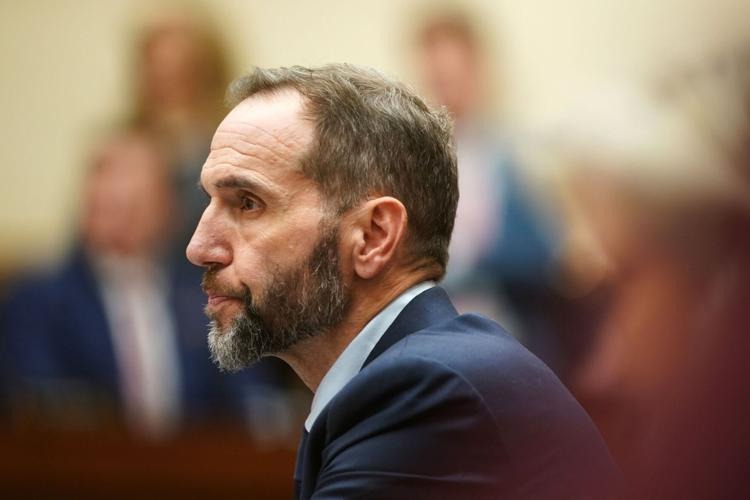
His final report, released in January 2025, detailed evidence of Trump’s willful engagement in criminal activities to subvert the vote.
Smith testified before Congress in 2026, affirming proof beyond reasonable doubt for charges related to the January 6 Capitol attack.
He emphasized Trump’s role in inciting the events, stating, “Donald Trump is the person who caused Jan. 6.”
This testimony reinforced the narrative that Trump knowingly propagated false claims of victory.
Trump’s election denial began well before 2020, with statements questioning the integrity of elections as early as 2016.
After losing to Joe Biden by over 7 million popular votes and 306-232 in the Electoral College, Trump filed numerous lawsuits alleging fraud, all of which were dismissed for lack of evidence.
His rhetoric evolved into a movement, influencing Republican politicians to embrace similar doubts about democratic processes.
The history of these claims traces back to Trump’s pattern of casting doubt on unfavorable outcomes, including accusations of rigged systems in primaries.
By 2024, election denial had become a litmus test within the GOP, with candidates echoing Trump’s narratives to appeal to his base.
This persistence has raised concerns about future electoral stability, especially in swing states.
Grothman, a six-term congressman from Wisconsin’s 6th district, has been a staunch Trump supporter since 2016.
His statement came during a 2023 hearing on Smith’s investigations, where he aimed to discredit the probe as politically motivated.
Wisconsin, a battleground state, played a key role in 2020, with Trump unsuccessfully challenging results there.
The slip occurred amid discussions on whether Trump genuinely believed his fraud allegations or knowingly misled the public.
Grothman’s words, “there is no way Donald Trump thought he won the 2020 election,” directly contradicted the defense narrative of sincere belief.
He later backtracked, but the moment was captured and amplified by media outlets.
Maddow’s handling of the story showcased her ability to connect individual gaffes to larger patterns in politics.
She transitioned from the clip to a broader analysis of how such admissions undermine election denial efforts.
Her gestures, including raised eyebrows and pauses for effect, enhanced the segment’s impact on viewers.
The Rachel Maddow Show, airing on MSNBC, has been a staple since 2008, focusing on progressive viewpoints and investigative journalism.
Maddow, born in 1973 in California, holds degrees from Stanford and Oxford, where she was a Rhodes Scholar.
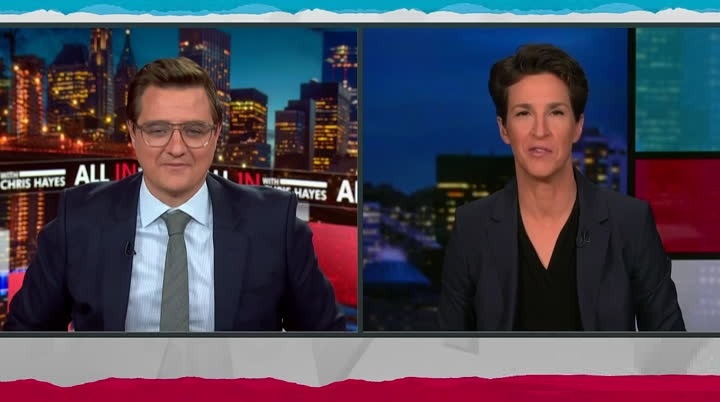
Her career began in radio before transitioning to television, where she became the first openly gay anchor of a major prime-time news program.
Maddow’s style draws from her activist roots, emphasizing factual depth over confrontation.
She often spends entire episodes on single topics, providing historical context to current events.
In this Grothman segment, she linked the slip to ongoing legal battles, educating audiences on constitutional implications.
The studio setup, with its sleek design and multiple screens, allows for seamless integration of video clips and graphics.
This visual aid supports Maddow’s narrative-driven approach, making abstract legal concepts tangible.
Her pacing—slow and deliberate—ensures viewers absorb the information without feeling overwhelmed.
Expanding on the why behind such slips, psychologists note that high-stakes environments can lead to verbal errors revealing subconscious thoughts.
In politics, these moments often go viral, shaping public perception of credibility.
Maddow capitalized on this, using humor to critique without descending into mockery.
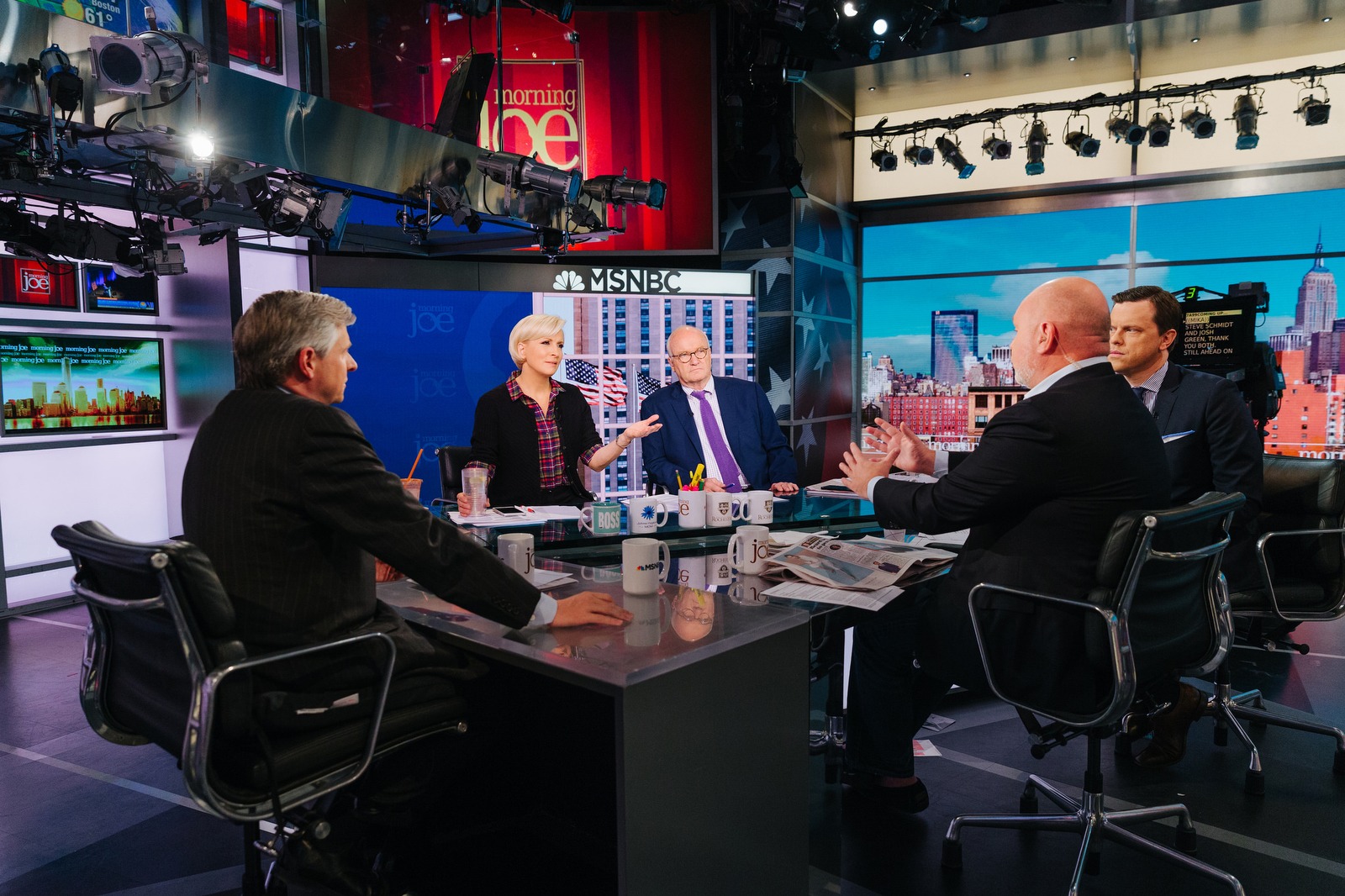
The how of Maddow’s delivery involves careful scripting and rehearsal, yet she maintains an authentic presence.
She engages the audience directly, asking rhetorical questions to prompt reflection.
This technique fosters a sense of shared discovery, distinguishing her from more combative hosts.
Regarding the when, the episode aired around late 2023, based on social media timestamps from Facebook and Instagram posts.
It coincided with heightened scrutiny of Smith’s probe as Trump prepared for his 2024 campaign.
The timing amplified the segment’s relevance amid discussions of accountability.
The where encompasses the virtual realm of congressional hearings and MSNBC’s New York studios.
Grothman’s comments originated from Washington, D.C., during a Judiciary Committee session.
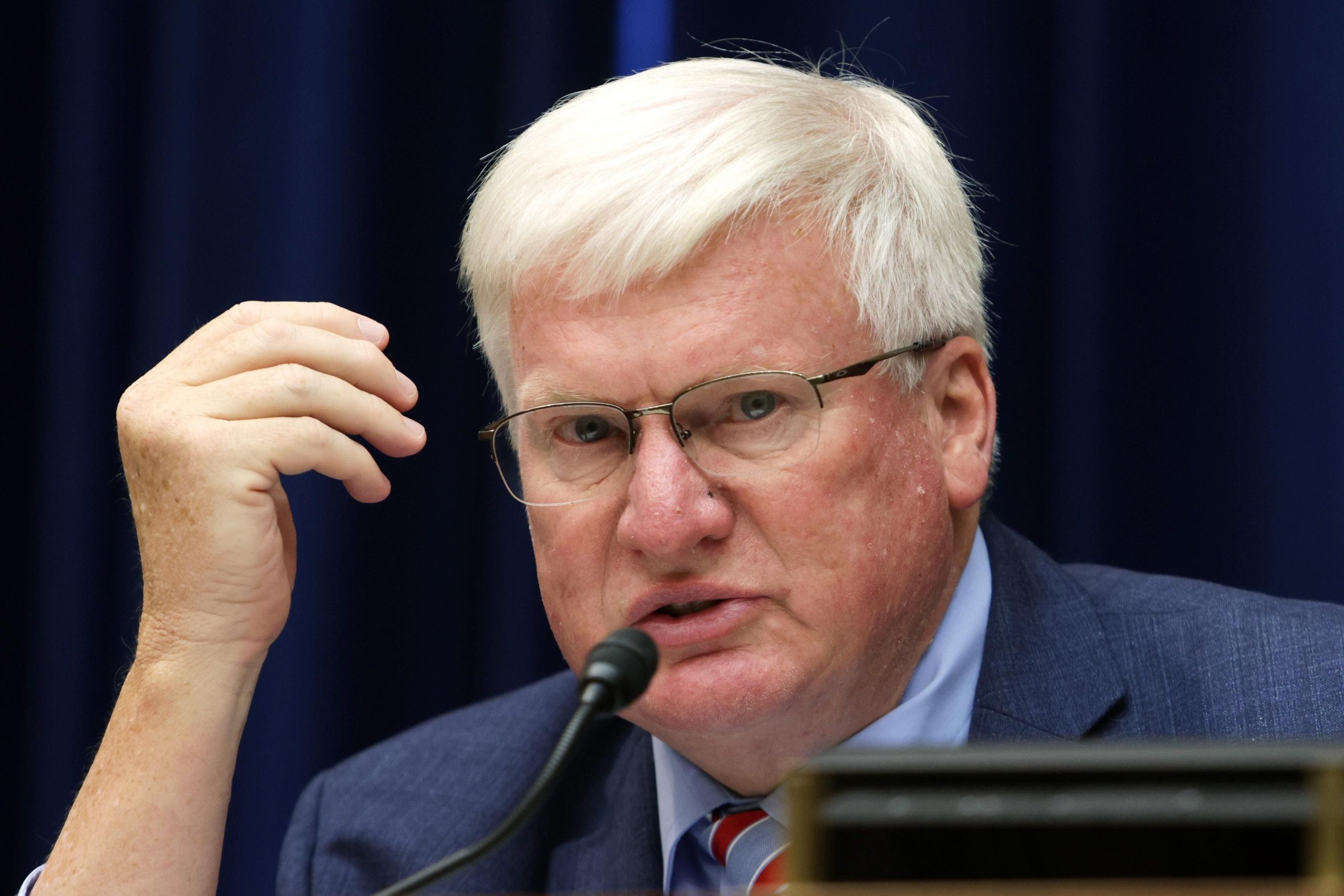
Maddow broadcast from 30 Rockefeller Plaza, reaching millions via cable and online platforms.
Implications of this event extend to the erosion of trust in elections, a concern since Trump’s 2016 victory claims.
By 2026, with Trump back in the spotlight, such admissions highlight fractures within the GOP.
They also underscore media’s role in holding power accountable through vigilant reporting.
Historically, election challenges date to the republic’s founding, but Trump’s scale was unprecedented, involving over 60 lawsuits.
The 2020 map, showing Biden’s wins in key states, became a symbol of contested results.
Maddow’s coverage often references these visuals to ground discussions in facts.
In conclusion, Maddow’s segment not only entertained but educated on the nuances of political rhetoric.
It reminded viewers of the importance of scrutiny in democracy.
As debates continue, her objective yet engaging style remains a benchmark for journalism.